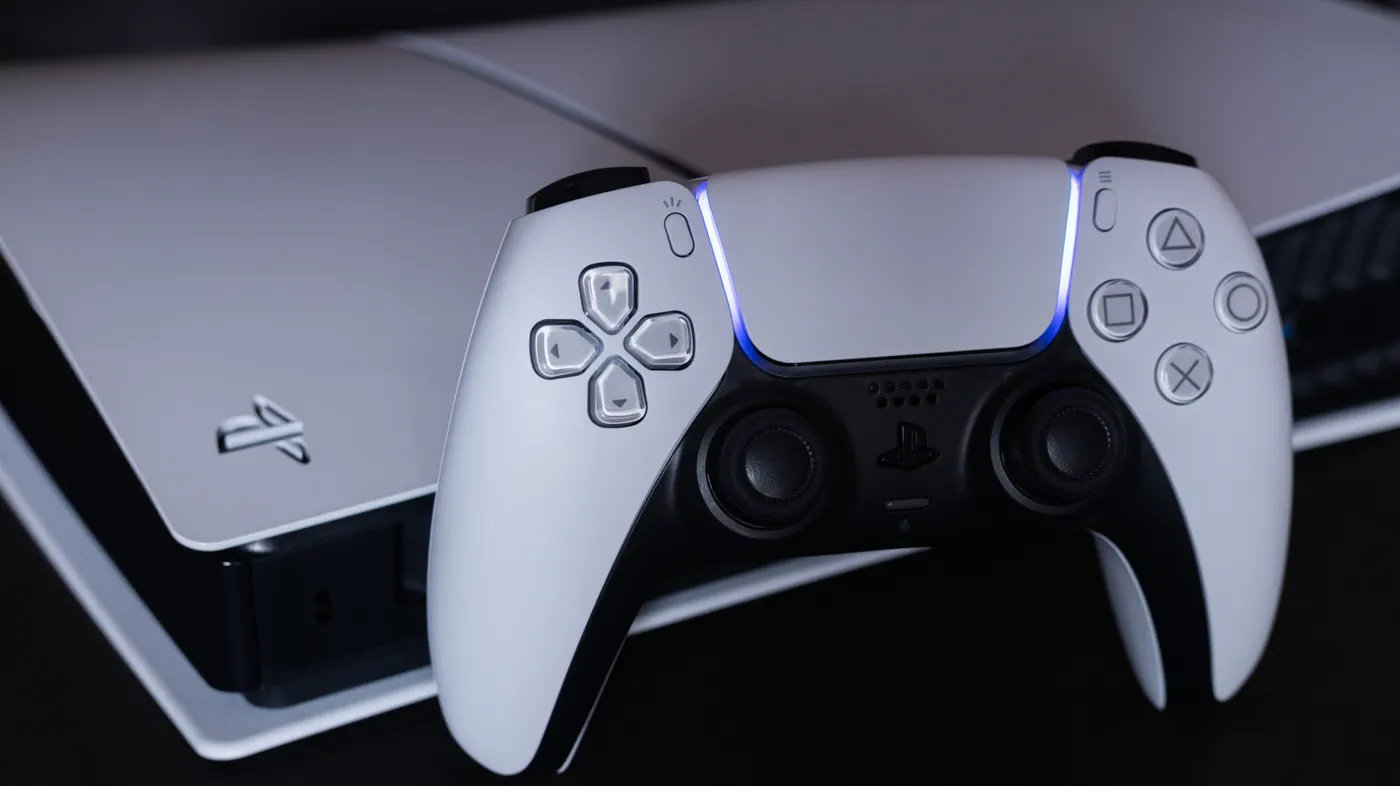
Four years into its lifecycle, the PlayStation 5 remains the market-leading home console, but shifting industry dynamics mean it is no longer the straightforward bargain it was at launch in late 2020. With component inflation defying historical console price cuts, ballooning game development cycles thinning out exclusive releases, and the arrival of the premium $699.99 PlayStation 5 Pro, prospective buyers face an awkward hardware landscape.
While Sony's flagship machine still delivers blistering SSD speeds, unmatched haptic feedback via the DualSense controller, and access to an enviable library of modern blockbusters, the platform comes with trade-offs that rarely existed in prior console generations. Before spending hundreds of dollars on a new console, several critical drawbacks demand careful consideration.
1. Hardware Prices Have Defied History Instead of Dropping
Historically, console hardware follows a predictable economic curve: systems launch at premium price tags, mature manufacturing yields lower production costs, and platform holders pass those savings to consumers through mid-generation price slashes and budget-friendly redesigns. The PlayStation 5 has upended that tradition entirely.
Instead of seeing standard retail prices fall toward $299 or $349, buyers in multiple international markets have endured price increases due to inflation, currency fluctuations, and high memory component costs. When Sony introduced the revised "Slim" chassis in late 2023, the PS5 Digital Edition actually climbed from its original launch price of $399.99 to $449.99 in the United States, while the standard disc version held firm at $499.99.
Hidden accessory costs further erode the value proposition. The Slim revision removed the included vertical stand found in the 2020 launch model, turning it into a $29.99 standalone accessory. If you opt for the Digital model and later decide you want physical media playback, the official attachable Ultra HD Blu-ray disc drive runs $79.99. Meanwhile, Sony's top-tier mid-cycle refresh, the PS5 Pro, pushes the ceiling to an eye-watering $699.99—and ships without a disc drive or a vertical stand in the box. The cost of entry into the PlayStation ecosystem has never been higher.
2. A Thinner Slate of True Exclusives and the Pivot to PC
 Photo: Engadget - Technology News & Expert Reviews (source)
For decades, the primary justification for buying a PlayStation console was simple: you could not play Sony’s first-party prestige titles anywhere else. In the PS5 era, that exclusivity moat has noticeably diminished.
First, modern AAA development cycles have stretched to five to seven years, significantly slowing the release cadence of brand-new, platform-defining software. Many flagship PlayStation Studios releases over the first half of the generation—including God of War Ragnarök, Horizon Forbidden West, and Gran Turismo 7—were cross-generation titles also built to run on base PlayStation 4 hardware. Truly bespoke PS5-only showcases from Sony's internal studios, such as Ratchet & Clank: Rift Apart, Marvel’s Spider-Man 2, and Astro Bot, remain relatively sparse compared to the steady drumbeat of the PS4 era.
Second, Sony has aggressively pursued Windows PC releases. With very few exceptions, major single-player PlayStation tentpoles—from The Last of Us Part I and Ghost of Tsushima to Returnal and God of War—now arrive on PC within one to two years of their console debuts. Live-service titles such as Helldivers 2 launch simultaneously on PC and PS5. For gamers who already maintain a capable desktop or gaming laptop, buying a PS5 solely for exclusive games yields far less return on investment than it did in previous console cycles.
3. Escalating Subscription Costs Without Day-One Blockbusters
Unlike the early days of PlayStation Plus, maintaining an active subscription now requires a substantial recurring financial commitment. In late 2023, Sony instituted steep global price hikes across all 12-month PS Plus tiers, raising the entry-level Essential tier to $79.99 per year, the game-catalog Extra tier to $134.99 per year, and the cloud-streaming Premium tier to $159.99 per year.
Despite these elevated prices, Sony has stood firm on its release policy: brand-new first-party blockbusters do not launch day-and-date on PlayStation Plus. While Microsoft includes major first-party launches inside Xbox Game Pass Ultimate on their release day, PlayStation fans must still pay the full $69.99 standard retail price for new titles like Marvel's Spider-Man 2 alongside their annual subscription fee. Subscribing provides access to a solid rolling catalog of older games, but gamers hoping for an all-inclusive Netflix-style service for brand-new marquee games will be disappointed.
4. The Physical Media Squeeze, Storage Limits, and Legacy Gaps
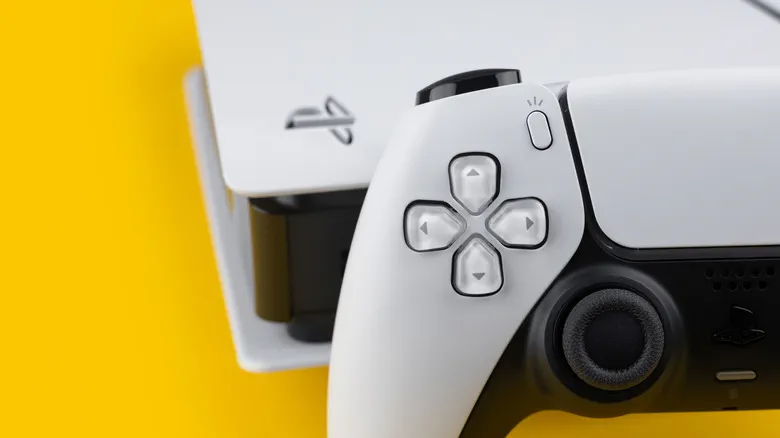 Photo: Engadget - Technology News & Expert Reviews (source)
Physical media enthusiasts and retro game collectors face distinct hurdles on the PlayStation 5 platform. While the disc-equipped console plays PS4 discs and 4K Ultra HD Blu-rays, it lacks dedicated playback support for Dolby Vision on 4K discs. More importantly, the system's modular optical drive on Slim and Pro units requires an active internet connection to authenticate and pair with the motherboard during initial setup, raising long-term digital rights management (DRM) and preservation concerns.
Backward compatibility is also strictly segregated. The PS5 cannot natively read physical PlayStation 1, PlayStation 2, or PlayStation 3 discs. While select PS1, PS2, and PSP titles can be purchased digitally or streamed via PS Plus Premium, PS3 games remain confined exclusively to cloud streaming due to the complexities of emulating the PS3's Cell Broadband Engine processor. If you own physical discs from earlier PlayStation generations, the PS5 cannot replace your legacy hardware.
Storage also remains an ongoing friction point. The base 2020 PS5 shipped with an 825GB SSD that left just 667GB of usable space. While the PS5 Slim increased total storage to 1TB (yielding roughly 842GB to 848GB usable), modern AAA installations frequently exceed 100GB to 150GB each. Factoring in a compatible PCIe 4.0 M.2 NVMe SSD expansion often adds an extra $80 to $150 to the total setup cost.
Hardware and Price Comparison
To understand where the base PlayStation 5 sits in Sony’s current ecosystem, see how the hardware configurations and retail prices compare:
| Model | Launch / Current MSRP (US) | Included Storage | Disc Drive Included? | Stand Included? | Target Performance |
|---|---|---|---|---|---|
| PS5 Launch (2020, Disc) | $499.99 (Discontinued) | 825GB (~667GB usable) | Yes (Internal) | Yes | 4K Dynamic, 30–60 FPS |
| PS5 Launch (2020, Digital) | $399.99 (Discontinued) | 825GB (~667GB usable) | No (Incompatible) | Yes | 4K Dynamic, 30–60 FPS |
| PS5 Slim (Disc) | $499.99 | 1TB (~848GB usable) | Yes (Modular) | Horizontal feet only | 4K Dynamic, 30–60 FPS |
| PS5 Slim (Digital) | $449.99 | 1TB (~848GB usable) | No ($79.99 optional drive) | Horizontal feet only | 4K Dynamic, 30–60 FPS |
| PS5 Pro (2024) | $699.99 | 2TB (~1.89TB usable) | No ($79.99 optional drive) | Horizontal feet only | 4K Native / PSSR Upscaled, 60 FPS |
How the Console Generation Arrived Here
 Photo: Engadget - Technology News & Expert Reviews (source)
The current generation began under unprecedented strain. Launched during global supply chain bottlenecks in late 2020, the PS5 remained scarce for more than two years, propped up by high secondary-market scalper pricing. To maintain commercial momentum, publishers extended cross-generational support, designing games to run on the massive base of over 117 million PS4 owners.
By the time PS5 stock normalized on retail shelves in 2023, the broader economic environment had shifted. Semiconductor costs failed to drop at historical rates, and major publishers faced soaring budgets exceeding $200 million per blockbuster. Sony adapted by raising peripheral prices, hiking PS Plus fees, and tapping into the PC market to widen software margins. The result is a platform that feels financially tighter and more conservative than the freewheeling PS4 era.
What It Means for Buyers: Practical Advice
Deciding whether to buy a standard PlayStation 5 in the current market depends heavily on what hardware you already own:
- If you are upgrading from a PS4: The PS5 remains a transformative jump. Load times drop to seconds, the DualSense controller provides incredible immersion, and your existing digital or physical PS4 library carries over with smoother frame rates. Buy the PS5 Slim Disc Edition so you retain access to cheap secondhand physical games.
- If you own a modern gaming PC: Think twice. Most of Sony's premier single-player titles make their way to Steam, and cross-platform multiplayer titles already share identical releases. Unless you cannot wait a year or two for specific exclusives, the console may gather dust between releases.
- If you want maximum performance: The standard PS5 frequently forces players to choose between a 30 FPS "Fidelity" mode and a softened 60 FPS "Performance" mode. If you own an advanced 120Hz OLED display and demand uncompromising visual fidelity, evaluate whether saving toward the $699.99 PS5 Pro makes more sense for long-term graphical stability.
What Happens Next
Sony continues to rely on the PlayStation 5 as its core revenue driver while it plans for the future. Major upcoming titles such as Ghost of Yōtei and third-party blockbusters like Rockstar Games’ Grand Theft Auto VI will heavily stress base PS5 hardware, spotlighting the gap between standard models and the PS5 Pro.
Industry analysts broadly expect the current generation to stretch into late 2027 or 2028 before a PlayStation 6 emerges. That timeline ensures the base PS5 will see active software support for years, but prospective owners must navigate an environment where games cost $70, hardware discounts are rare, and physical media is gradually being steered into obsolescence.
FAQ
Can the standard PS5 play original PS1, PS2, or PS3 discs? No. The PlayStation 5 only reads physical PS4 and PS5 game discs. Selected classic games from earlier generations are playable only via digital purchases on the PlayStation Store or through PlayStation Plus Premium streaming and emulation.
Does the PS5 Slim come with a vertical stand in the box? No. While the original 2020 PS5 included a plastic stand for both horizontal and vertical placements, the PS5 Slim and PS5 Pro only include small clear plastic clips for horizontal orientation. A dedicated metal-and-plastic vertical stand costs an additional $29.99.
How much usable storage space does the PS5 actually provide? The original 825GB PS5 offers approximately 667GB of usable storage after system files, while the newer 1TB PS5 Slim provides roughly 848GB. Because contemporary AAA games often exceed 100GB, adding a secondary internal M.2 NVMe SSD is frequently necessary.
Are all major PlayStation 5 exclusive games coming to PC? Sony has established a pattern of porting nearly all of its major single-player exclusives to PC roughly one to two years after their console release. Live-service titles, such as Helldivers 2, release day-and-date on both PC and PlayStation 5.