Sony Interactive Entertainment has rolled out an aggressive anti-scalping lottery system in Japan, requiring prospective PlayStation 5 Pro buyers to prove they are legitimate gamers before allowing them to purchase the console. Under new rules published by the official Sony Store, customers must hold a Japan-registered Sony account and demonstrate dozens of hours of documented gameplay on existing PlayStation hardware to qualify for a chance to buy the hardware at retail price.
The drastic vetting process arrives as soaring consumer demand and persistent component bottlenecks have caused PS5 Pro inventory to evaporate across international markets. By pegging retail access to verifiable, historical account activity, Sony is aiming to slam the door on commercial scalpers, automated purchase bots, and secondary-market brokers who have spent years driving up console prices.
Inside Sony’s "Gamers Only" Lottery Rules
Rather than operating on a first-come, first-served basis, the Sony Store Japan is accepting applications through October 7, 2026, for an allocation of PS5 Pro units priced at the standard manufacturer's suggested retail price (MSRP) of 137,980 yen. If total submissions exceed inventory—an outcome Sony considers all but guaranteed—units will be awarded exclusively through a weighted lottery draw.
To be deemed eligible for entry, an applicant must satisfy several mandatory criteria:
- Regional Verification: Applicants must possess an active Sony account registered in Japan that has been utilized with PlayStation Network online services.
- Unified Account Profile: The user's My Sony ID and PlayStation Network Sign-In ID must be formally linked and unified prior to applying.
- Playtime Threshold: The linked account must show a minimum cumulative total of 60 hours of recorded gameplay across a PlayStation 4 console, a PlayStation 5 console, or a combination of both.
- Strict Verification Window: Qualifying gameplay hours must have been logged between September 27, 2024, and September 27, 2026, at 23:59 JST.
Applicants chosen in the drawing will receive purchase notices starting on October 26, 2026, and must complete their purchase by November 2, 2026. Any unpurchased inventory from that allocation will forfeit back to Sony and be recycled into a subsequent lottery pool scheduled for later in the year.
How the Cutoff Window Traps Scalpers and Bots
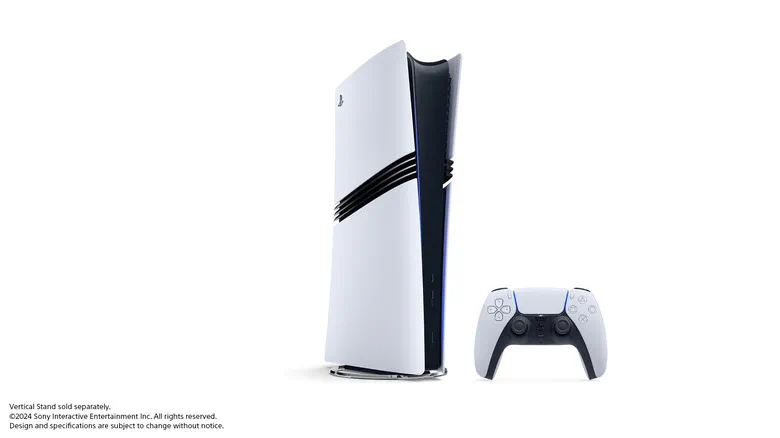 Photo: Engadget - Technology News & Expert Reviews (source)
While hardware makers and retailers have previously experimented with identity verification and one-per-household rules, Sony’s approach in Japan introduces a retrospective hurdle that scalpers cannot bypass on short notice.
Crucially, Sony set the cutoff date for the 60-hour playtime rule to September 27, 2026—a timestamp that elapsed before the public announcement went live. Because the window is already closed, opportunistic scalping rings cannot register dummy PlayStation accounts or leave newly manufactured consoles idling overnight to rapidly accumulate qualifying game hours.
Similarly, automated bot networks that scrape online checkout portals are rendered ineffective. The lottery mechanism moves the transaction entirely away from open online queues, binding each submission to years of verified telemetric data hosted on Sony’s own servers. Furthermore, requiring an account registered in Japan prevents foreign tourists from clearing out domestic retail shelves during trips abroad, a trend that local buyers frequently complained about during past hardware crunches.
Why the PS5 Pro Is in Short Supply: The DRAM Crisis and GTA 6
Sony’s aggressive posture in Japan stems from acute hardware scarcity driven by two major market forces: severe upstream supply-chain pinches and unprecedented software anticipation.
The electronics sector continues to grapple with tight DRAM and memory allocations, as global memory fabricators prioritize higher-margin server-grade modules earmarked for artificial intelligence data centers. These constraints have elevated production costs and restricted production volume for consumer tech hardware reliant on advanced GDDR memory configurations. Industry forecasts indicate component bottlenecks could linger into early 2027.
Compounding the hardware shortage is the escalating excitement surrounding Rockstar Games' upcoming Grand Theft Auto VI. Ever since confirmation that the title will be "PS5 Pro Enhanced" to harness the console's upscaled rendering and ray-tracing performance, consumer demand has surged worldwide. Across North America and Europe, baseline retail stock for the PS5 Pro has largely vanished, with units listed on aftermarket resale hubs commanding prices exceeding $1,300 to €1,400.
Hardware and Pricing: PS5 vs. PS5 Pro
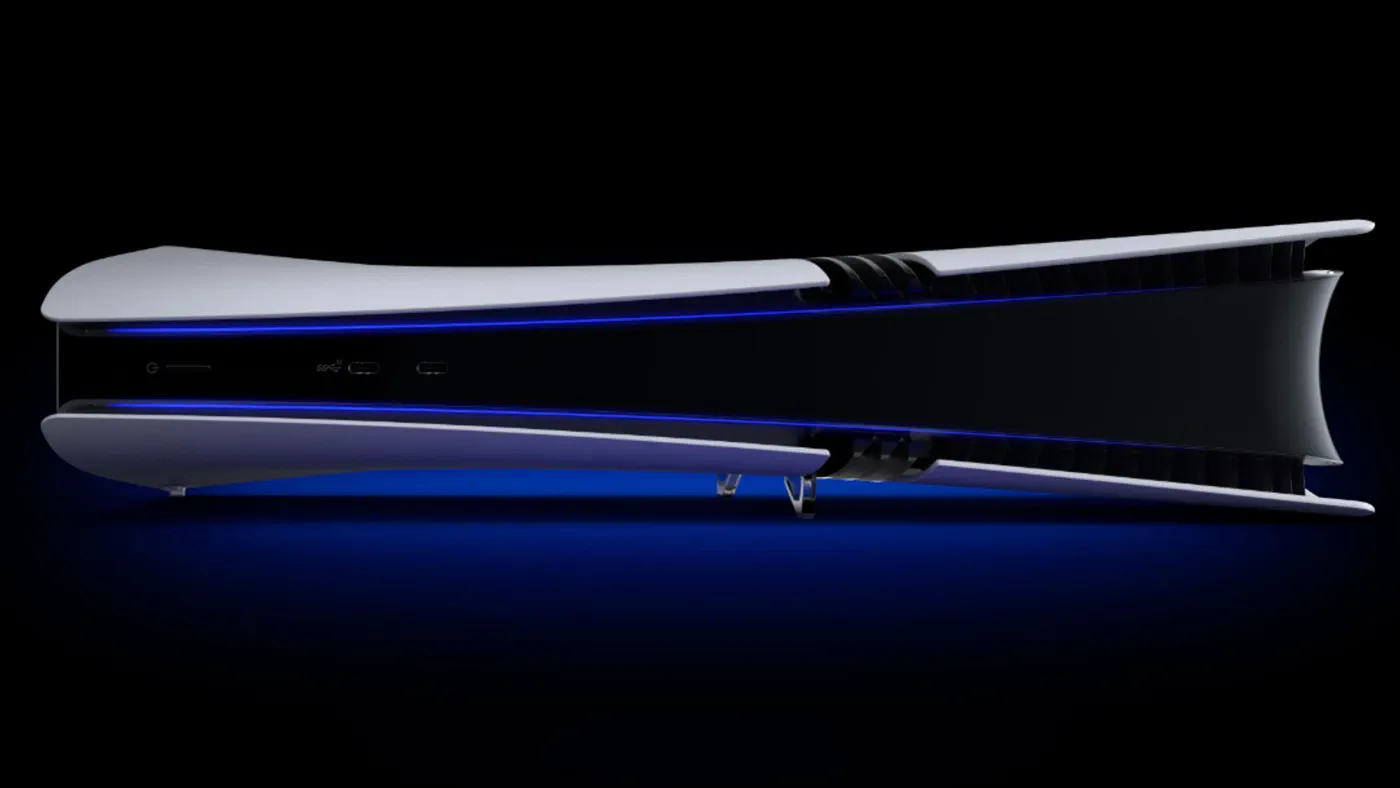 Photo: tomshardware.com (source)
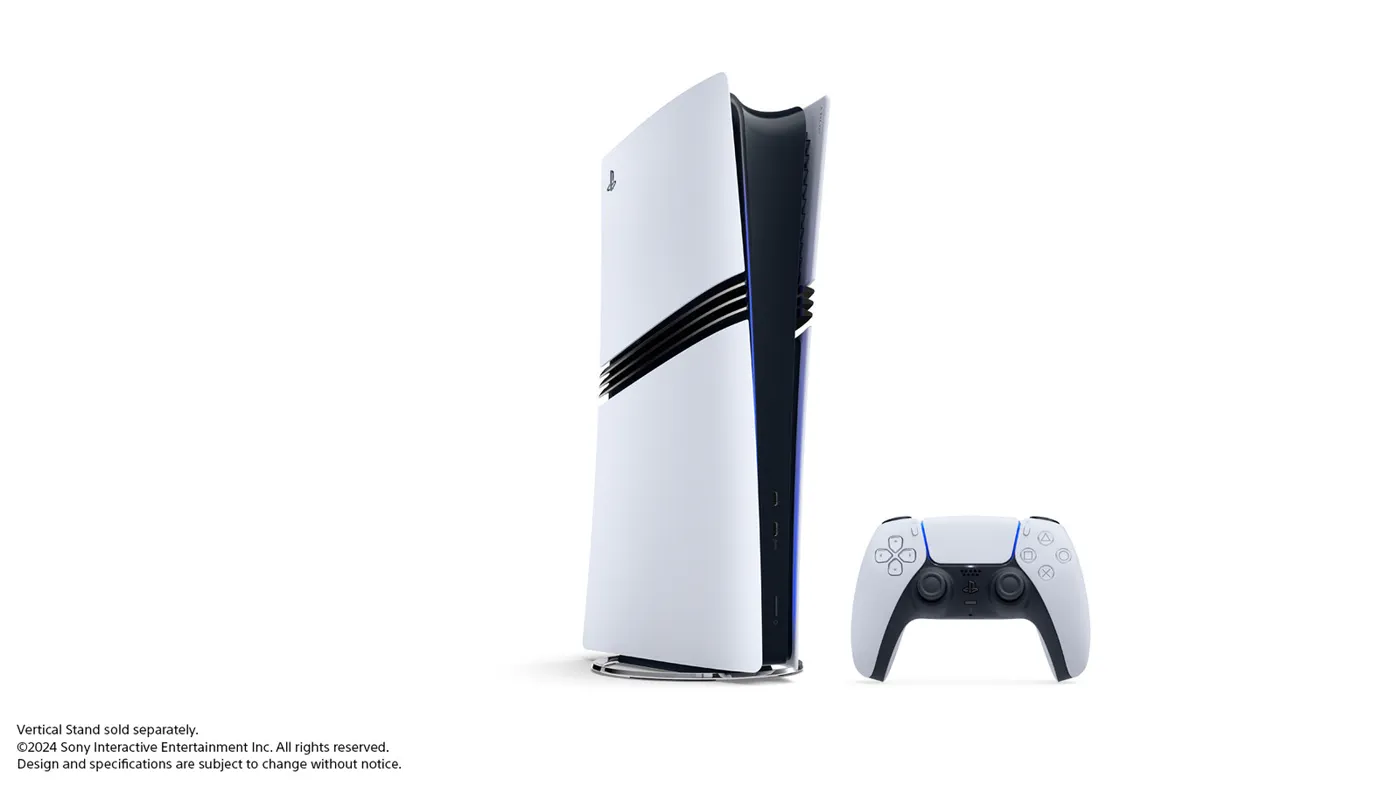
The PlayStation 5 Pro positions itself as a premium mid-generation performance jump, retaining the fundamental architectural ecosystem of the original PS5 while boosting graphical horsepower, storage, and machine learning capabilities.
| Feature / Metric | PlayStation 5 (Slim / Base) | PlayStation 5 Pro |
|---|---|---|
| GPU Performance | 10.28 TFLOPs (RDNA 2) | Upgraded RDNA Architecture (~45% faster rendering) |
| Ray Tracing | Standard Hardware Ray Tracing | Advanced 2x–3x Ray Tracing Acceleration |
| AI Upscaling | None (Standard FSR / Dynamic Resolution) | PlayStation Spectral Super Resolution (PSSR) |
| Internal Storage | 1TB NVMe SSD | 2TB NVMe SSD |
| Disc Drive | Included or Modular Detachable | Sold Separately (All-Digital Default) |
| Japan Retail Price (MSRP) | ¥72,980–¥79,980 | ¥137,980 |
| US Retail Price (MSRP) | $449–$499 | $699 (Surging higher on resale) |
Industry and Community Reactions: Praising the Hard Line
The domestic Japanese gaming community has greeted the announcement with widespread approval. While the threshold of 60 hours over two full years represents a modest requirement for typical players—working out to just 2.5 hours per month—it establishes a virtually impassable wall for warehouse scalpers who treat consoles strictly as boxed inventory.
Many community members on forums and social media have questioned why platform holders did not adopt these strict telemetry-based metrics years earlier, pointing back to the post-pandemic launch of the base PlayStation 5 when gray-market price gouging ran unchecked for nearly two years. Analysts note that while the measure does not fix underlying manufacturing yields, it dramatically improves customer goodwill by ensuring that the limited supply leaving domestic factories ends up directly in the living rooms of active platform players.
What This Means for Everyday Buyers and Upgraders
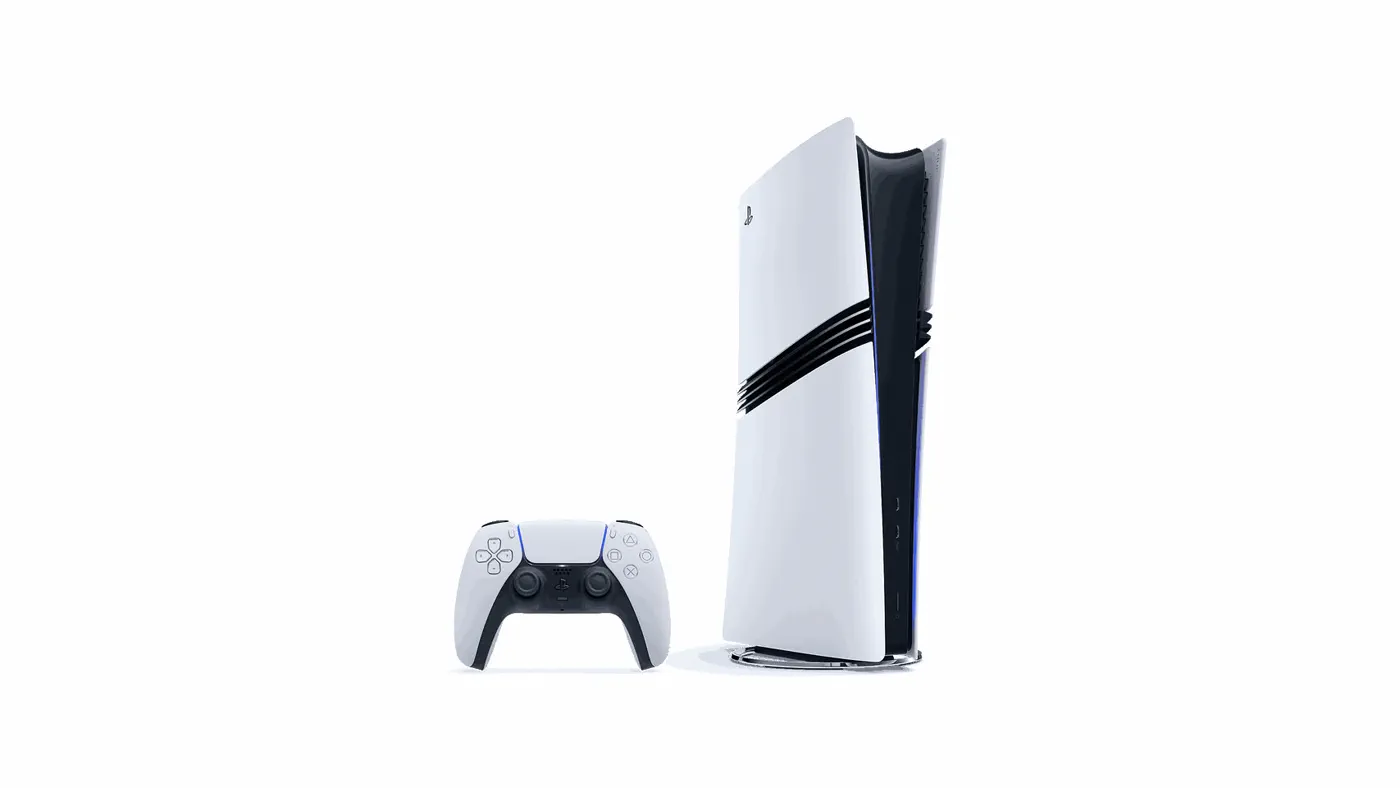 Photo: techpowerup.com (source)
For PlayStation users in Japan looking to upgrade to the high-performance Pro model, the policy provides a protected avenue to obtain the console without paying exorbitant secondary-market markups:
- Check Your Account History: Verify that your Sony account has logged at least 60 hours between late September 2024 and late September 2026 on either PS4 or PS5 hardware. Single-player titles and free-to-play games count toward this figure; an active PlayStation Plus subscription is not explicitly required to have accrued valid playtime.
- Unify Your Accounts: Log in to the Sony Store Japan portal to confirm that your consumer shopping credentials and PSN credentials share an identical, unified account ID.
- Meet the Purchase Deadline: If drawn on October 26, finalize the checkout before November 2, 2026. Sony will release any abandoned allocations straight to the next lottery pool.
For international shoppers hoping to pick up a Japanese-priced console while traveling, the rules effectively eliminate walk-in purchases or retail reservations at Sony's flagship Japanese retail outlets.
Looking Ahead: Global Supply and Future Draws
Sony has confirmed that if demand continues to outpace available supply in Japan, further lottery rounds will follow using similar player-verification systems. The company has not formally announced whether it plans to deploy this specific playtime-verification model through its PlayStation Direct portals in the United States or Western Europe, where inventory shortages remain severe ahead of high-profile holiday software debuts.
With memory constraints forecast to limit console production flexibility through early 2027, Sony's Japanese experiment may serve as a blueprint for the wider industry. By converting user telemetry into an anti-resale credential, platform makers finally have an enforceable weapon to ensure limited hardware supplies reach real players.
FAQ
How many hours of gameplay are required to qualify?
Applicants must have accumulated at least 60 hours of total playtime across PlayStation 4 or PlayStation 5 games. That total can be earned on a single console or split across both systems.
Can I play 60 hours now to enter the lottery?
No. The eligible playtime period ended on September 27, 2026, at 23:59 JST, meaning any hours accumulated after that date do not count toward qualification.
Can overseas tourists enter the lottery while visiting Japan?
No. Entrants must hold an authentic Sony account registered in Japan and used with local PlayStation Network services, ruling out foreign travelers and overseas accounts.
When will lottery winners be notified?
Sony will notify selected winners beginning on October 26, 2026, with purchases required to be finalized by November 2, 2026.
Is an active PlayStation Plus subscription mandatory?
No, PlayStation Plus is not required to register or qualify. So long as your gameplay hours on PS4 or PS5 were synced to a valid Japan-registered Sony account within the designated two-year window, you satisfy the playtime criteria.