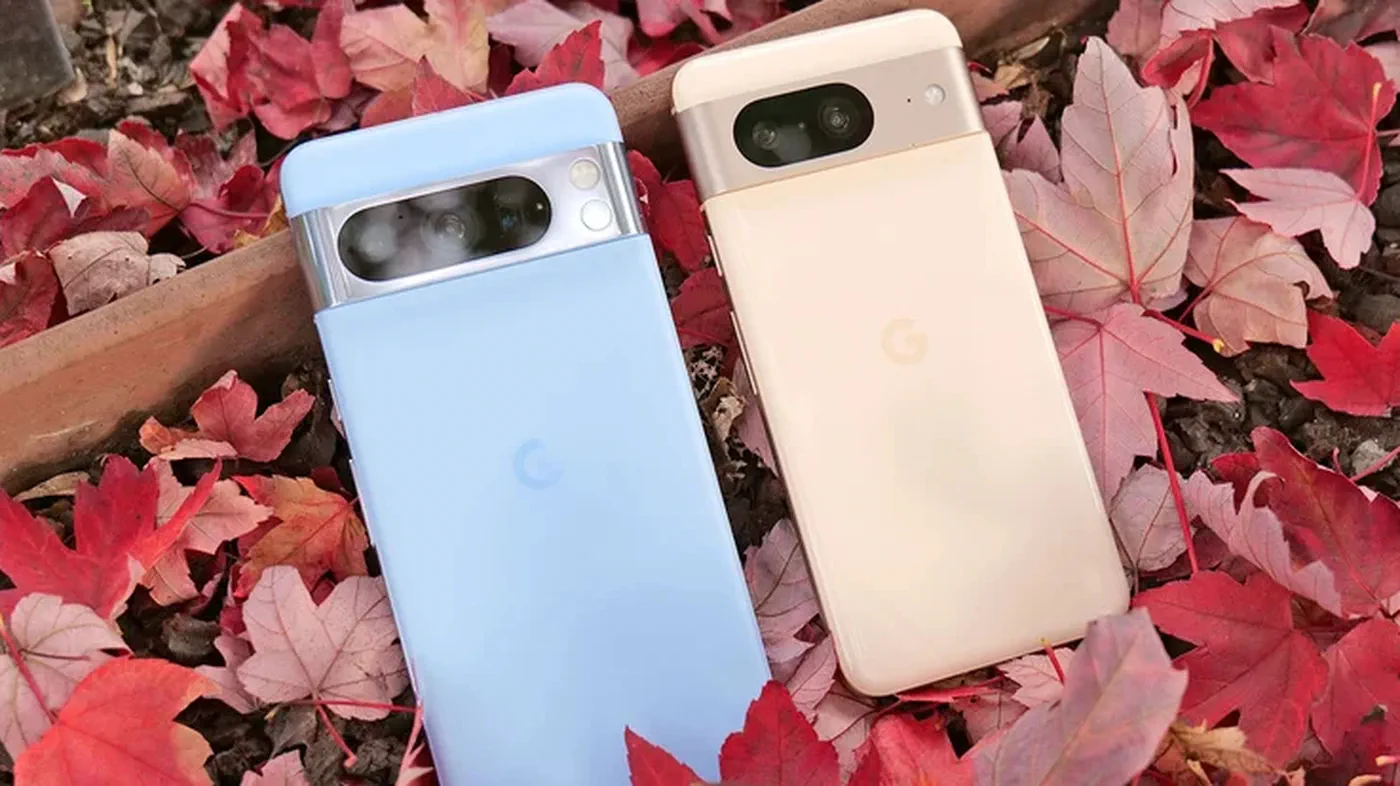
Google and Samsung have quietly raised prices across their most affordable smartphones in early October 2026, pushing popular budget models up by as much as $100. The mid-cycle price hikes—driven by a relentless global memory shortage caused by artificial intelligence infrastructure demand—signal an abrupt end to the era of ultra-cheap modern handsets.
For years, entry-level and mid-tier smartphones served as safe havens for value-conscious consumers who wanted solid cameras, decent battery life, and long software support without paying four figures. Now, with manufacturers unable to absorb surging component costs any longer, those baseline prices are climbing rapidly on devices that have already been on store shelves for months.
The Price Hikes Across Pixel and Galaxy A Lineups
The sudden changes hit digital storefronts without fanfare. Google updated the Google Store to reflect a $100 increase on the Pixel 10a, which originally launched in March at $499. The 128GB model now retails for $599, while the 256GB storage tier moved from $599 to $699. Outside the United States, international buyers face even steeper adjustments; in Canada, the Pixel 10a leaped from $679 CAD at launch to $849 CAD.
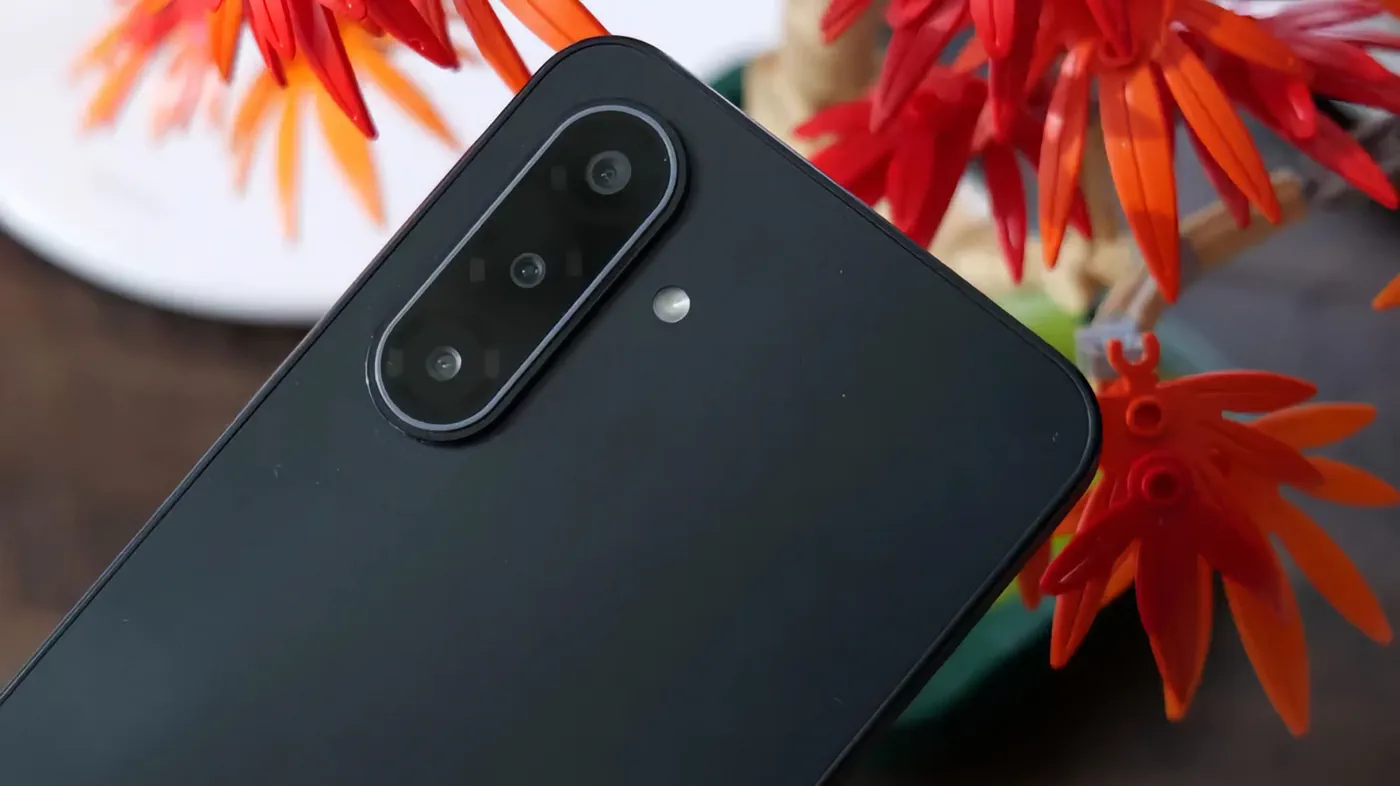
Meanwhile, Samsung implemented broad adjustments across its entire Galaxy A portfolio on its online portal, just a day after bumping prices on its flagship devices. The budget-tier Galaxy A17 5G, which originally debuted in January for $199.99, received its second price increase in three months—jumping past its August price tag of $249.99 to $279.99. That represents an $80 total increase on what was meant to be Samsung's most economical phone.
The rest of Samsung's mid-range catalog saw comparable increases of $30 to $70:
- Galaxy A27 5G: Raised from $349.99 to $379.99 for the 128GB model.
- Galaxy A37 5G: Increased from $449.99 to $489.99 for 128GB, while the 256GB variant moved to $609.99.
- Galaxy A57 5G: Climbed from $549.99 to $599.99 for 128GB, and $679.99 for the 256GB edition.
Complete Price Breakdown: Launch vs. Current Retail
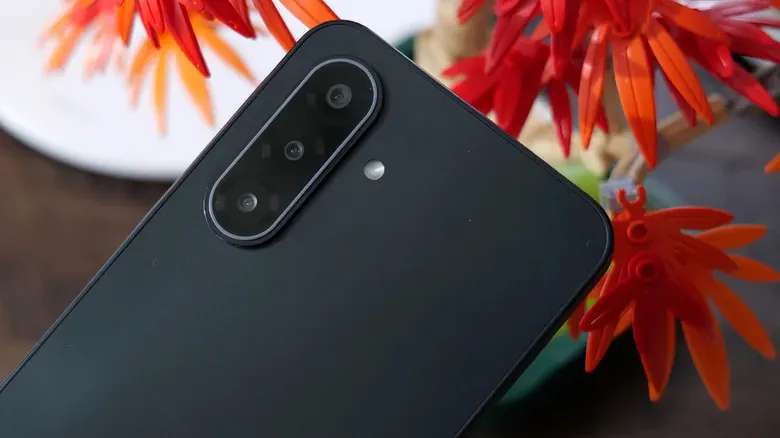 Photo: Engadget - Technology News & Expert Reviews (source)
To see how dramatically the affordable Android landscape shifted overnight, here is the breakdown of official base-tier and upgraded pricing across both brands:
| Brand & Model | Original Launch Price | New Adjusted Price | Net Change | Percentage Increase |
|---|---|---|---|---|
| Google Pixel 10a (128GB) | $499.00 | $599.00 | +$100.00 | +20.0% |
| Google Pixel 10a (256GB) | $599.00 | $699.00 | +$100.00 | +16.7% |
| Samsung Galaxy A17 5G (128GB) | $199.99 | $279.99 | +$80.00 | +40.0% |
| Samsung Galaxy A27 5G (128GB) | $349.99 | $379.99 | +$30.00 | +8.6% |
| Samsung Galaxy A37 5G (128GB) | $449.99 | $489.99 | +$40.00 | +8.9% |
| Samsung Galaxy A37 5G (256GB) | $549.99 | $609.99 | +$60.00 | +10.9% |
| Galaxy A57 5G (128GB) | $549.99 | $599.99 | +$50.00 | +9.1% |
| Galaxy A57 5G (256GB) | $629.99 | $679.99 | +$50.00 | +7.9% |
Background: Why Mid-Cycle Price Hikes Are Happening
Normally, consumer electronics follow a predictable financial trajectory: hardware debuts at full retail price, sees sporadic promotional cuts during holiday windows, and receives permanent markdowns once successor models arrive. Seeing manufacturers raise the price on hardware that is half a year old is exceptionally rare in the mobile phone sector.
The primary culprit is a severe crunch in dynamic random-access memory (DRAM) and NAND flash storage. Over the past year, massive enterprise investments into generative AI data centers have consumed a huge share of worldwide silicon fabrication lines. Chipmakers prioritized high-bandwidth memory (HBM) and enterprise solid-state drives for server farms, choking off the available supply of commodity mobile RAM and mobile storage chips.
Earlier this year, hardware executives at Google warned that supplier-level component costs were spiking to historic highs, noting that internal margins could not cushion the blow indefinitely. Samsung faced a parallel dilemma: despite posting strong overall corporate revenue driven by its semiconductor branch, Samsung’s mobile division recorded its first-ever quarterly loss during the April–June period due to steep bills for internal phone components.
Following the Flagships: High-End Hardware Started the Trend
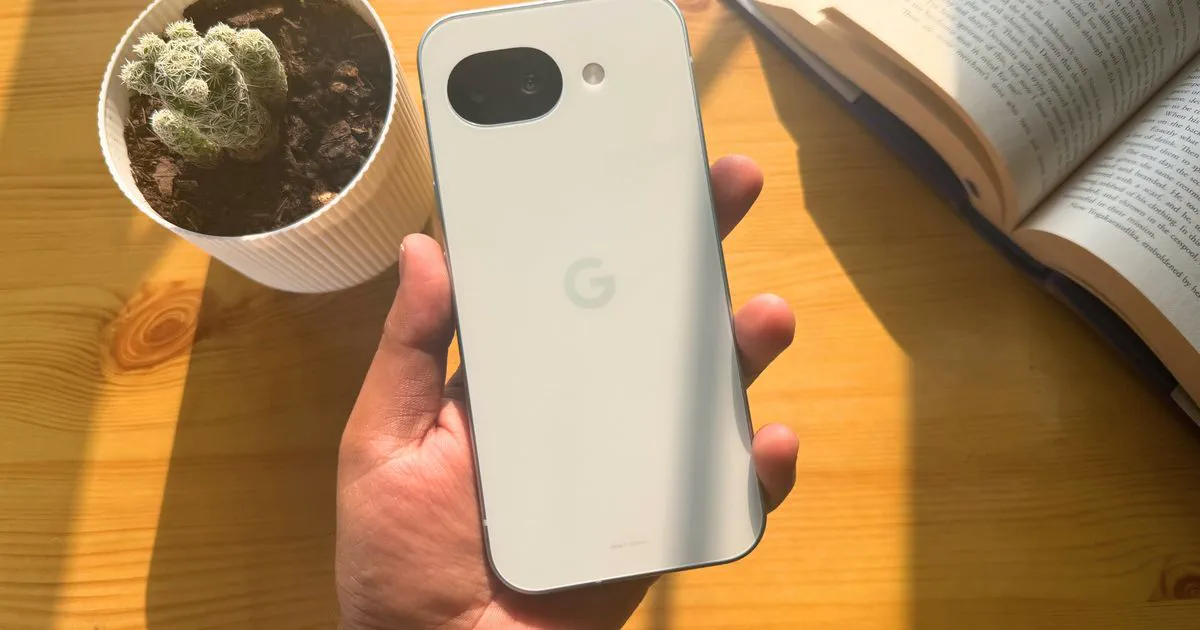 Photo: digitaltrends.com (source)
The price increases on budget hardware did not arrive in isolation; they followed an identical pattern previously established on premium devices. Just 24 hours before increasing Galaxy A prices, Samsung raised MSRPs across its flagship Galaxy S26 family:
- Galaxy S26 (256GB): Increased from $899 to $999.
- Galaxy S26+ (256GB): Increased from $1,099 to $1,199.
- Galaxy S26 Ultra (256GB): Climbed from $1,299 to $1,399.
- Galaxy S26 Ultra (1TB): Shot up by $200, reaching $1,999.
Similarly, Apple enacted broad price adjustments across its smartphone ecosystem, and Huawei introduced steep markdowns on its Mate series due to the same component crunch. When companies discovered that consumers begrudgingly accepted higher flagship prices via carrier payment plans, they pushed the increases downstream into mainstream and budget hardware lines.
Industry and Community Reaction
Consumer response across tech forums and social platforms has been overwhelmingly negative, centered on the reality that buyers are paying more money for hardware that has not gained any new functionality. Unlike yearly launch bumps that occasionally arrive with faster silicon, brighter screens, or improved camera sensors, a mid-cycle bump leaves shoppers with identical specifications at a 20% premium.
Market analysis firms like IDC have cautioned that ongoing memory price inflation could suppress global smartphone shipments through 2027, projecting a chill across consumer electronics upgrade cycles. With basic living expenses and utility bills elevated, consumer appetite for discretionary gadget updates is shrinking. Polls among tech readers indicate a sharp surge in shoppers planning to hold onto their existing handsets for an extra year or two rather than pay elevated mid-range prices.
What This Means for Everyday Buyers
 Photo: howtogeek.com (source)
For consumers looking for an upgrade under $500, choices have narrowed considerably:
- The Sub-$300 Bracket Is Vanishing: With the Galaxy A17 jumping from $200 to $280, true ultra-budget 5G devices are disappearing from primary retail channels.
- Older Flagships Look More Attractive: At $599, the Pixel 10a now collides directly with discounted previous-generation flagships or certified refurbished hardware, which frequently offer superior build quality, faster charging, and better telephoto lenses.
- Carrier Deals and Trade-Ins Become Crucial: Paying cash upfront for unlocked hardware is increasingly punitive. Buyers will need to rely more heavily on multi-year wireless carrier bill credits, holiday promotional periods, or trade-in programs to avoid paying MSRP.
- Memory Upgrades Demand Caution: Storage step-ups—such as moving from 128GB to 256GB—now command steep premiums, sometimes costing $60 to $100 extra. Utilizing microSD storage on supported budget phones or relying on cloud storage may be more cost-effective.
What Happens Next: Shortages Could Last for Years
Anyone waiting for phone prices to fall back to previous levels could be in for a long wait. Key memory suppliers, including Micron, have already indicated that their production output for 2027 is largely committed, with contracted memory prices set to rise rather than decline. Industry research firm TrendForce suggests that real supply-demand rebalancing is unlikely to materialize before 2028. Some analysts offer an even more pessimistic projection, suggesting elevated DRAM pricing could persist toward the end of the decade unless alternative fabrication plants—particularly expanded production in China—ramp up faster than expected.
This leaves impending launches like Google's anticipated Pixel 11a in a precarious position. Rather than returning to traditional entry prices, upcoming budget models will almost certainly inherit these inflated starting figures at launch. In the interim, Google has acknowledged exploring software efficiency optimizations to keep device performance smooth on limited hardware, but hardware cost pressures will remain the primary driver of retail price tags for the foreseeable future.
FAQ
Why are Google and Samsung raising prices on phones that are already on sale?
Both companies are facing unprecedented manufacturing cost surges for mobile RAM and NAND flash storage chips, driven by competing demand from AI data center expansions. Because the manufacturers could no longer absorb these sustained cost increases, they raised retail MSRPs mid-cycle.
Did the Pixel 10a or Galaxy A phones receive any new features with the price increase?
No, the hardware, software, and physical packaging remain identical. Customers purchasing these devices today receive the exact same components and capabilities as those who bought them earlier at their original, lower prices.
How much did the Google Pixel 10a go up in price?
The base 128GB model of the Pixel 10a increased by $100, moving from $499 to $599 in the US. The 256GB configuration also rose by $100, jumping from $599 to $699.
Which Samsung Galaxy A series models are affected?
The price increases affect the entire 2026 Galaxy A lineup, including the Galaxy A17 5G, Galaxy A27 5G, Galaxy A37 5G, and Galaxy A57 5G. Price jumps on these models range between $30 and $80 depending on the specific model and storage tier.
Are phone prices expected to return to normal soon?
Industry analysts and memory suppliers project that the memory shortage will keep component costs high through at least 2027 or 2028. As a result, subsequent generations like the Pixel 11a are expected to debut at these elevated price points rather than cheaper historical baselines.