In an unexpected twist for the PC hardware market, soaring memory prices driven by artificial intelligence demand have triggered a mainstream resurgence of decade-old DDR4 RAM. Motherboard maker Gigabyte officially announced that it is rolling out day-one BIOS support across its entire Intel B760 and H610 motherboard lineups for upcoming LGA1700 desktop processors launching in early 2027, paving the way for budget-conscious builders to stick with DDR4 memory.
What was once seen as an aging standard on the verge of obsolescence has suddenly become a lifeline for consumers. With high-bandwidth AI infrastructure swallowing up global semiconductor fabrication lines, DDR5 prices have soared past reasonable consumer budgets, prompting processor and board vendors to rewrite their roadmaps.
What Happened: Gigabyte Greenlights New LGA1700 Chips
Gigabyte confirmed BIOS updates covering its complete range of Intel B760 and H610 motherboards, officially preparing those sockets for an unannounced batch of LGA1700 processors. While Intel has yet to officially unveil the processors by name, the release confirms long-circulating reports that Intel plans to debut a refreshed desktop silicon lineup—colloquially dubbed "Raptor Lake Next"—in early 2027.
Crucially, Gigabyte confirmed that the BIOS updates apply to both its DDR5 and DDR4 motherboard models. Unlike Intel’s newer LGA1851 socket (which powers the Arrow Lake generation) and AMD’s AM5 socket, which both exclusively require DDR5 memory, the mature LGA1700 platform features a hybrid memory controller capable of running either DDR4 or DDR5. By refreshing LGA1700 in 2027, Intel and its manufacturing partners are granting budget builders the ability to upgrade their core processing power without having to discard cheaper DDR4 modules.
Gigabyte pushed firmware updates quietly to select boards like the B760 Gaming X AX, noting microcode adjustments and "preparation for upcoming processor support" before formalizing the announcement. Although the initial rollout is focused on mainstream B760 and budget H610 chipsets, enthusiast Z-series boards are expected to follow in stages.
The Numbers: DDR4 vs. DDR5 in the Ongoing Crunch
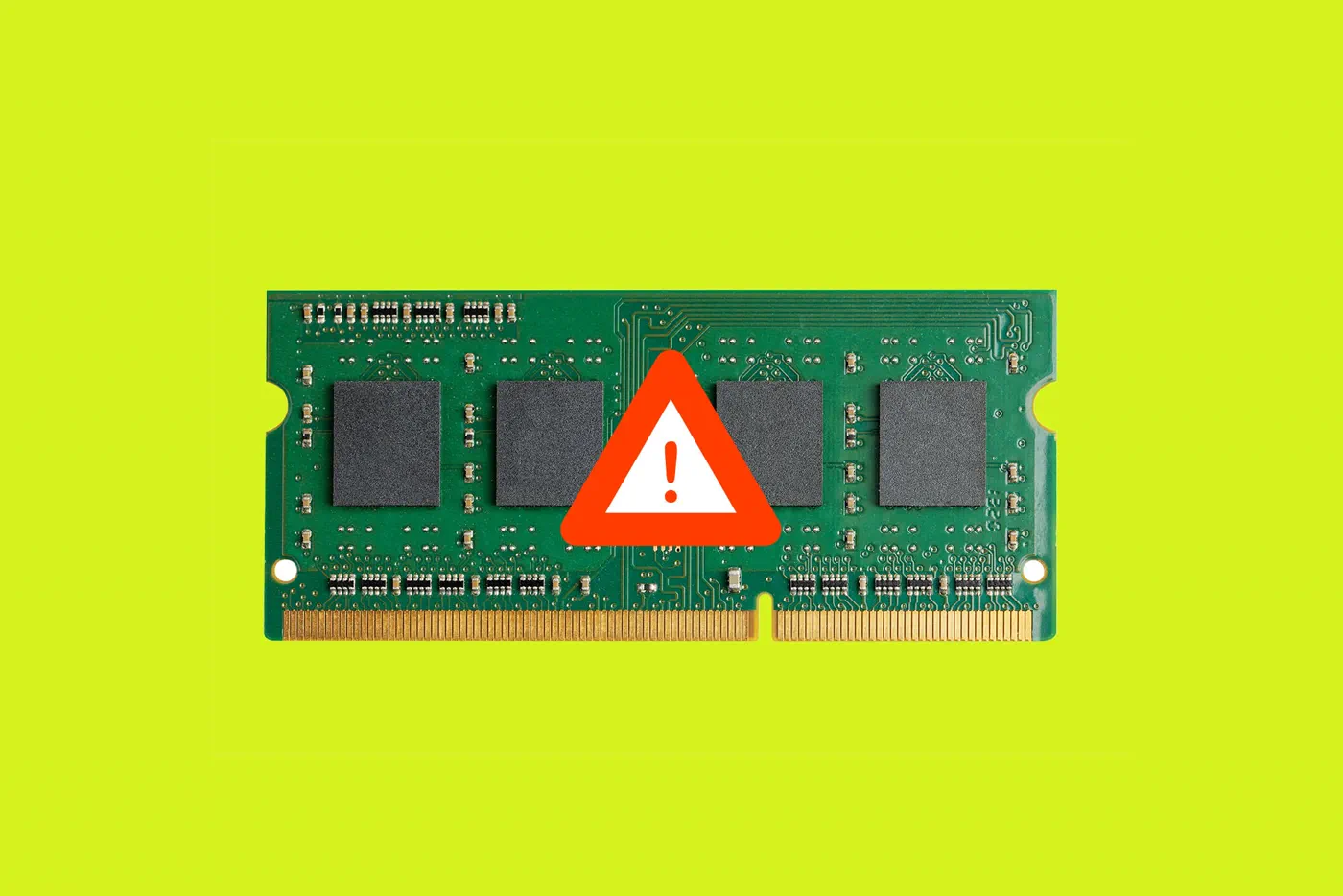
 Photo: The Verge (source)
The driving factor behind this backward-looking trend is simple arithmetic: the cost of DDR5 memory has reached levels not seen in consumer computing for nearly two decades. A standard 32GB dual-channel DDR5 kit that hovered around $100 has climbed past $400 in some retail channels. Meanwhile, DDR4 kits—while also impacted by broader supply pressure—remain comparatively approachable, hovering between $150 and $200 for high-volume 32GB configurations.
| Specification / Metric | DDR4 Platform (AM4 / LGA1700) | DDR5 Platform (AM5 / LGA1851) |
|---|---|---|
| Debut Year | 2014 | 2020 (Consumer Launch: late 2021) |
| Average 32GB Kit Price | ~$150 – $200 | ~$380 – $420+ |
| Common Data Rates | DDR4-3200 to DDR4-3600 | DDR5-5200 to DDR5-6400+ |
| Memory Power Delivery | Managed by Motherboard VRM | Integrated On-DIMM PMIC |
| Packaging Complexity | Standard TSOP / BGA packaging | High-density advanced packaging |
| Supported Modern Sockets | AMD AM4, Intel LGA1700 | AMD AM5, Intel LGA1851 |
| Entry Motherboard Price | $70 – $130 | $140 – $230+ |
Because DDR4 memory modules offload voltage regulation to the motherboard rather than housing dedicated Power Management Integrated Circuits (PMICs) on each stick, manufacturing yields for DDR4 remain less bottlenecked by component pinches than DDR5.
How We Got Here: The AI Infrastructure Squeeze
How did a memory generation introduced over a decade ago become hot property again? The answer lies inside hyperscale AI data centers. The global race to train and serve large language models has triggered insatiable demand for High Bandwidth Memory (HBM) and server-grade DRAM.
Major memory suppliers—including Samsung, SK Hynix, and Micron—reallocated massive slices of their silicon wafer allocations toward stacking HBM dies and high-margin enterprise DDR5. Because HBM production requires substantially more wafer surface area per gigabyte than standard consumer memory, every advanced silicon wafer directed toward AI accelerators reduces the volume of consumer desktop DRAM entering the pipeline.
The resulting scarcity drove overall consumer memory costs up by more than 500% across several product segments. Faced with plunging overall consumer PC sales—which analysts at IDC estimated dropped as much as 20% year-over-year—system integrators and board partners realized mainstream consumers were abandoning upgrade plans entirely.
AMD and Motherboard Brands Join the Retreat
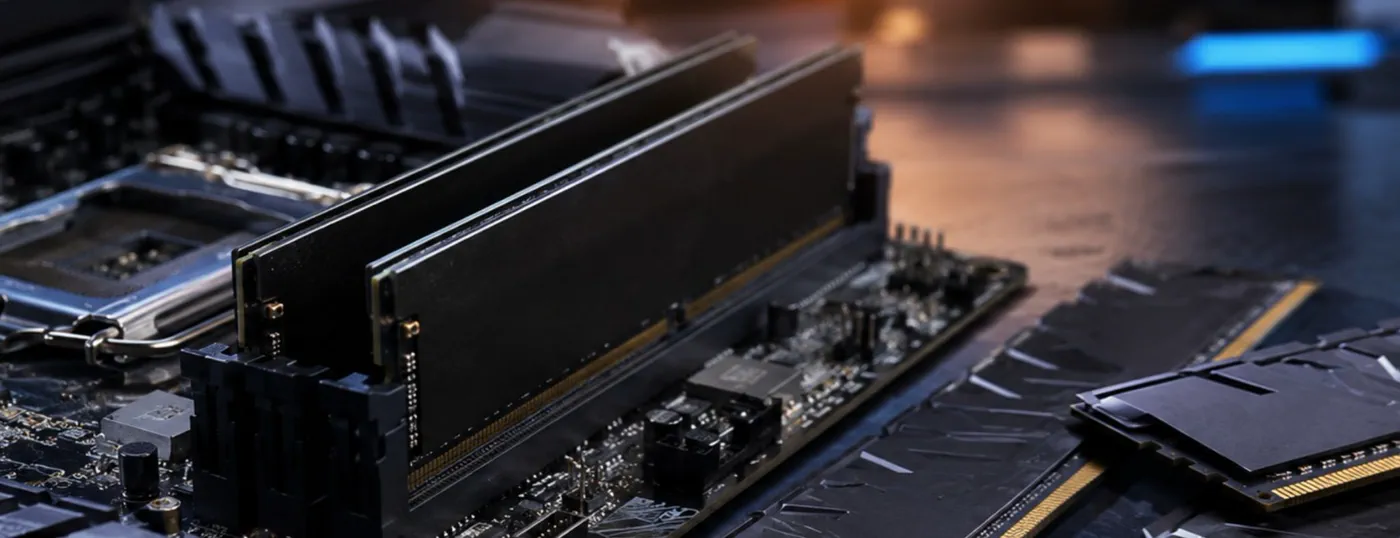 Photo: igorslab.de (source)
Intel is not the only player reviving older architectures. AMD demonstrated a similar pivot by reviving its celebrated AM4 platform, which originally debuted in 2016.
- Ryzen 7 5800X3D Re-release: AMD resumed manufacturing of its iconic eight-core, 3D V-Cache processor, placing it back on retail shelves at a $349 MSRP with modified packaging lines to ensure long-term availability.
- Expanded AM4 Chipsets: Board partners including ASUS, MSI, and Gigabyte restarted factory production for budget B450 and B550 motherboards to accommodate renewed AM4 sales.
- DIMM Makers Ramp Production: Memory vendors like Goodram and other module houses resumed producing 4GB and 8GB DDR4 sticks to supply low-cost enterprise and budget gaming builds.
Module makers have cautioned that top-tier DDR4 configurations, such as legendary Samsung B-die performance modules, are no longer being manufactured. Most revamped production will be capped at standard speeds like DDR4-3200 and DDR4-3600.
Industry Reactions: Planning for a World Without Cheap DDR5
Hardware vendors are no longer treating the DDR5 crunch as a brief quarter-to-quarter hiccup. Intel executive Robert Hallock previously acknowledged that the company intends to maintain support for LGA1700 precisely because builders need cost-effective paths that incorporate DDR4. Similarly, AMD vice president David McAfee noted that while foundry expansions offer long-term hope, genuine memory supply relief is unlikely to materialize before 2028.
Market research firms like TrendForce and Citrini Research have highlighted that memory shortages could persist through the end of the decade, citing sustained demand from cloud service providers. Motherboard makers, experiencing hardware shipment drops of over 30% on DDR5-only platforms, view the revival of DDR4 as an essential economic survival mechanism.
What It Means for PC Builders and Upgraders
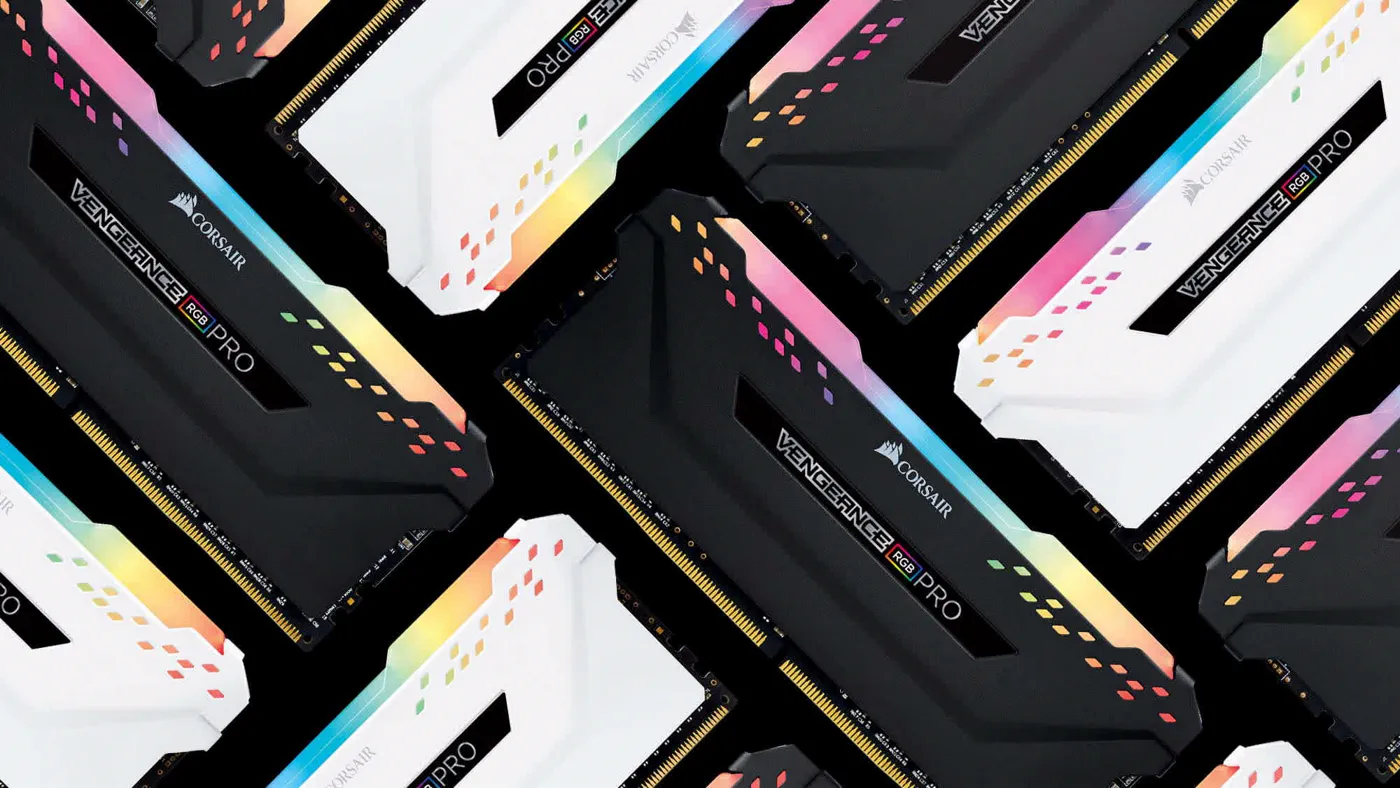 Photo: techspot.com (source)
For consumers looking to build or upgrade a computer today, the calculus has fundamentally shifted:
- Keep Existing DDR4 Sticks: If you already own a 16GB or 32GB DDR4 kit running at DDR4-3200 or DDR4-3600, transferring that memory into a discounted B760 or B550 setup offers dramatic cost savings over moving to a native DDR5 platform.
- Competitive Gaming Viability: In 1080p and 1440p gaming workloads, processors like AMD's Ryzen 7 5800X3D and Intel's 13th- and 14th-generation Core i5 chips paired with DDR4 still perform within 5% to 12% of entry-level DDR5 platforms, while shaving upwards of $250 off the total system cost.
- Watch the Secondary Market: Because high-performance DDR4 dies are out of production, builders looking for tight timings and high overclocking margins will have to rely on secondhand inventory.
What Happens Next
Intel has yet to formally detail the model numbers, clock speeds, or retail pricing for its 2027 LGA1700 processor lineup. Leaks suggest the series will incorporate refreshed Raptor Cove performance cores and Gracemont efficiency cores ranging from Core 3 to Core 7 tiers.
Key questions also remain regarding how motherboard manufacturers will allocate their warranty and BIOS maintenance pipelines between next-gen designs and these resurrected platforms. With Micron, Samsung, and SK Hynix warning that memory bottlenecks will extend through 2027 and beyond, DDR4 looks set to retain a permanent seat at the table far longer than anyone predicted.
FAQ
Why is DDR4 RAM making a comeback in 2026 and 2027? Global AI infrastructure projects have monopolized chip fabrication lines to manufacture High Bandwidth Memory, causing DDR5 prices to quadruple. To keep desktop PCs affordable, manufacturers are reviving mature DDR4 platforms.
Which processors will support the renewed DDR4 motherboards? Intel’s LGA1700 platform supports 12th-, 13th-, and 14th-Gen Core chips as well as an upcoming lineup launching in early 2027. AMD supports DDR4 through its AM4 lineup, including the re-released Ryzen 7 5800X3D and Ryzen 5000-series chips.
Will modern DDR5-only motherboards work with DDR4 RAM? No, DDR4 and DDR5 memory modules are physically incompatible and feature different pin layouts and operating voltages. You must use a motherboard explicitly designed with DDR4 slots.
Is DDR4 fast enough for modern gaming? Yes, standard DDR4-3200 or DDR4-3600 memory remains capable of delivering smooth frame rates in most contemporary games, particularly when paired with high-cache processors like the Ryzen 7 5800X3D.
How long is the memory shortage expected to last? Major memory producers and semiconductor analysts project that DRAM shortages and elevated pricing will persist through at least 2027 or 2028, with some forecasting constraints extending to 2030.