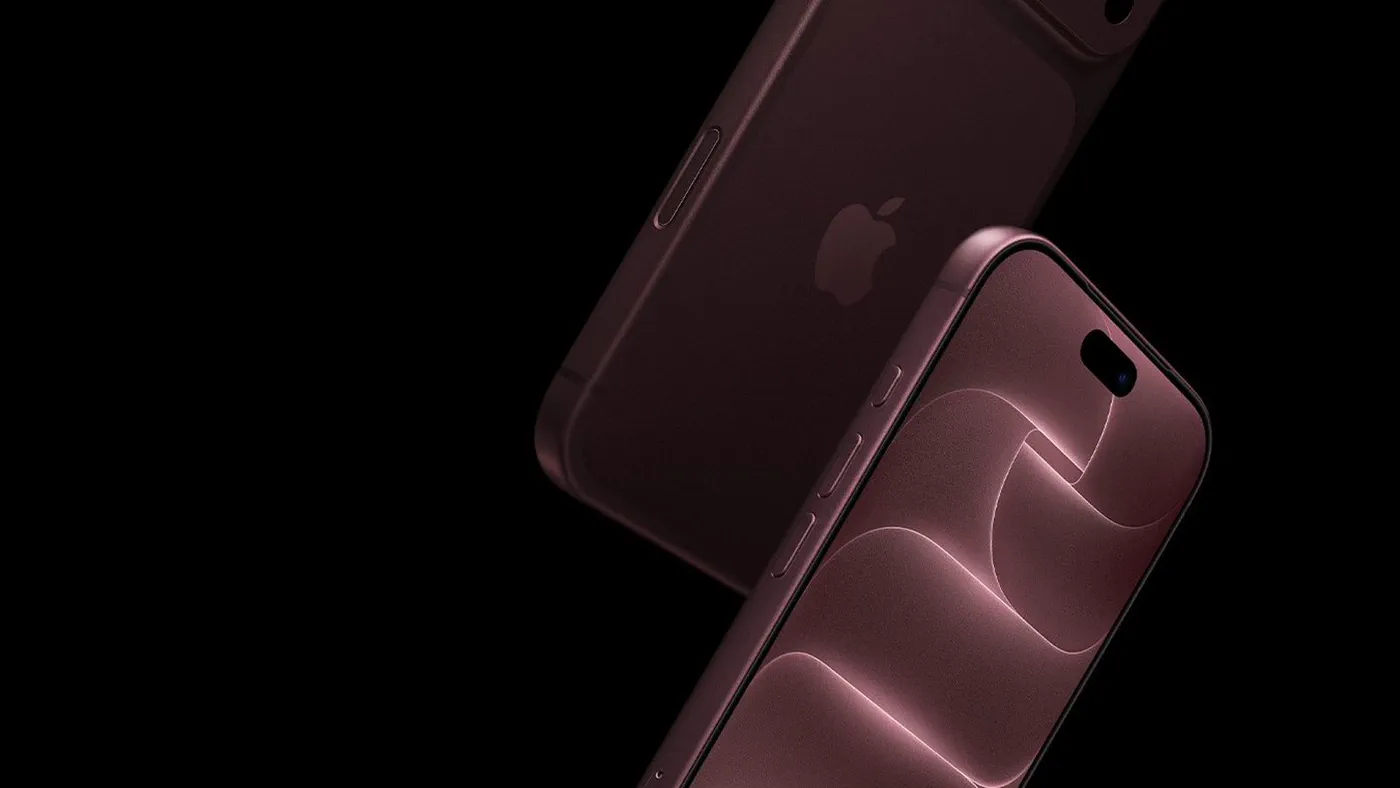
Apple captured a record 22% of global smartphone shipments during the third quarter of 2026, widening its presence even as worldwide shipments plummeted to their lowest July-to-September total since 2012. Preliminary data from Counterpoint Research shows the global smartphone market contracted 20% year over year amid a crippling memory-chip shortage and skyrocketing retail prices, pushing manufacturers into a defensive battle for profitability over sheer volume.
Apple finished the quarter just behind global leader Samsung, which maintained the top spot with a 23% share. However, Apple's market share gain came despite an actual decline in its own unit shipments, underscoring how severely rival Android manufacturers—particularly in China—felt the pinch of skyrocketing bill-of-materials costs.
Record Share in a Plummeting Market
The third quarter of 2026 marked the first time Apple ever surpassed the 20% market-share threshold during a calendar third quarter. One year earlier, in Q3 2025, Apple accounted for 18% of global shipments.
Yet the broader landscape paints a sobering picture for the technology sector. Worldwide smartphone shipments declined 20% year over year. Counterpoint Research’s preliminary Market Monitor estimates indicate that absolute shipment volumes reached a 14-year low for the period, matching levels not seen since 2012. While premium device sales held steady, budget and midrange shipments cratered, dragging the global industry down with them.
The Global Memory Crisis Behind the Contraction
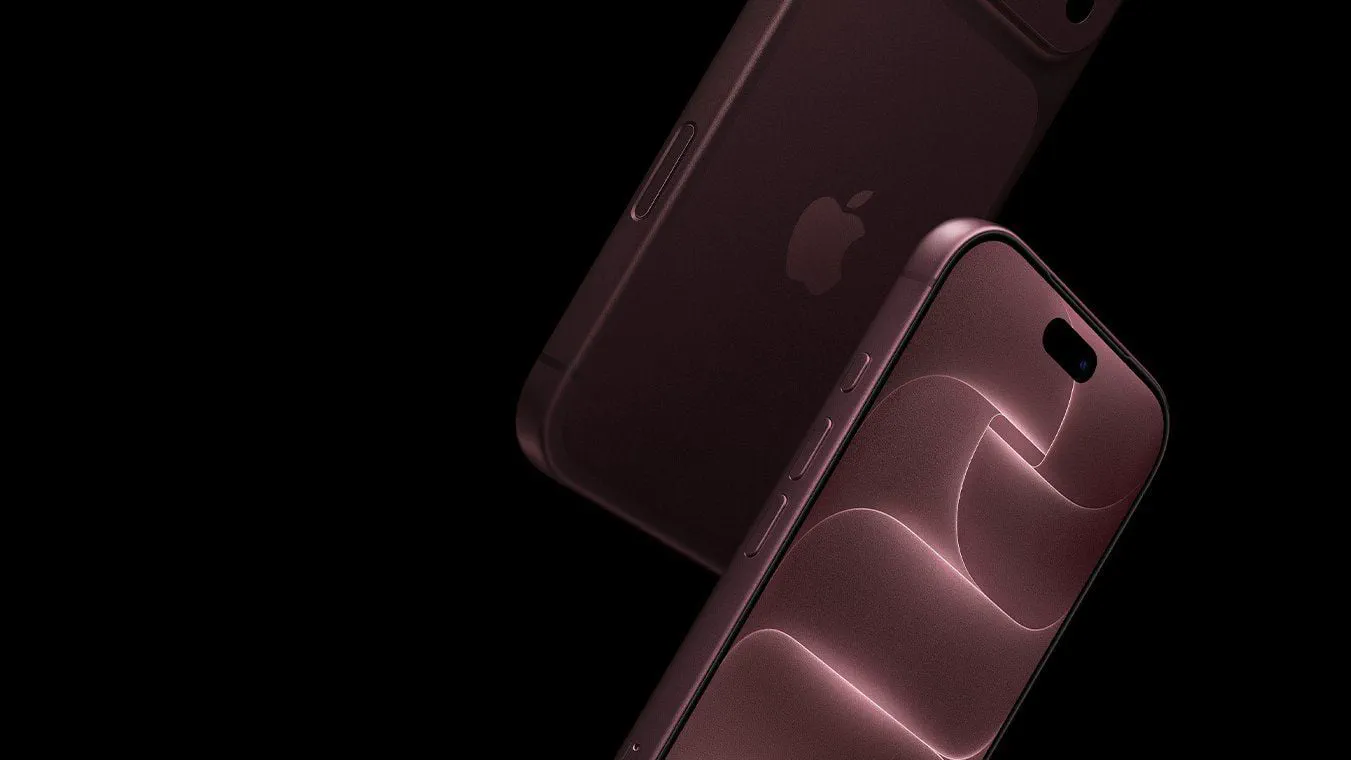 Photo: MacRumors: Mac News and Rumors - Front Page (source)
The primary culprit behind the sharp downturn is a severe, industry-wide crunch in DRAM and NAND memory chips. Rising component costs have sharply inflated bill-of-materials (BOM) expenses for smartphone makers across the board.
Faced with thin margins, original equipment manufacturers (OEMs) have passed these component cost increases directly to consumers. Key industry pressures include:
- Retail Price Inflation: Global retail smartphone prices have climbed approximately 20% so far in 2026.
- Component Allocation Disruption: Smaller and budget-focused brands have faced severe supply constraints securing DRAM and NAND modules, leaving production lines throttled.
- Lengthening Upgrade Cycles: As prices climb, consumers in cost-conscious brackets are delaying phone purchases or shifting toward certified refurbished options.
Apple's Strategy: iPhone 18 Pro and the Staggered Rollout
Counter-intuitively, Apple's record market share did not result from a spike in unit volume; Apple’s total iPhone shipments actually fell year over year.
The primary reason for Apple's volume dip was its revised product roadmap. Apple opted not to release a standard, base iPhone 18 alongside its September launch. Without an entry-level flagship on shelves, initial channel-fill shipments to wireless carriers and retailers were significantly smaller than during the rollout of the complete iPhone 17 lineup in 2025.
Apple cushioned that volume decline through two main avenues:
- Strong iPhone 18 Pro Momentum: The premium iPhone 18 Pro and Pro Max models posted stronger launch sales than their predecessors, seeing exceptional traction in India and China.
- Sustained iPhone 17 Demand: Continued retail demand and carrier discounting for the older iPhone 17 lineup kept units moving in high volumes.
Apple also introduced selective price adjustments late in the quarter, though the bulk of the pricing impact will only register during the fourth quarter.
Global Leaderboard: Samsung Holds On as Chinese Brands Stumble
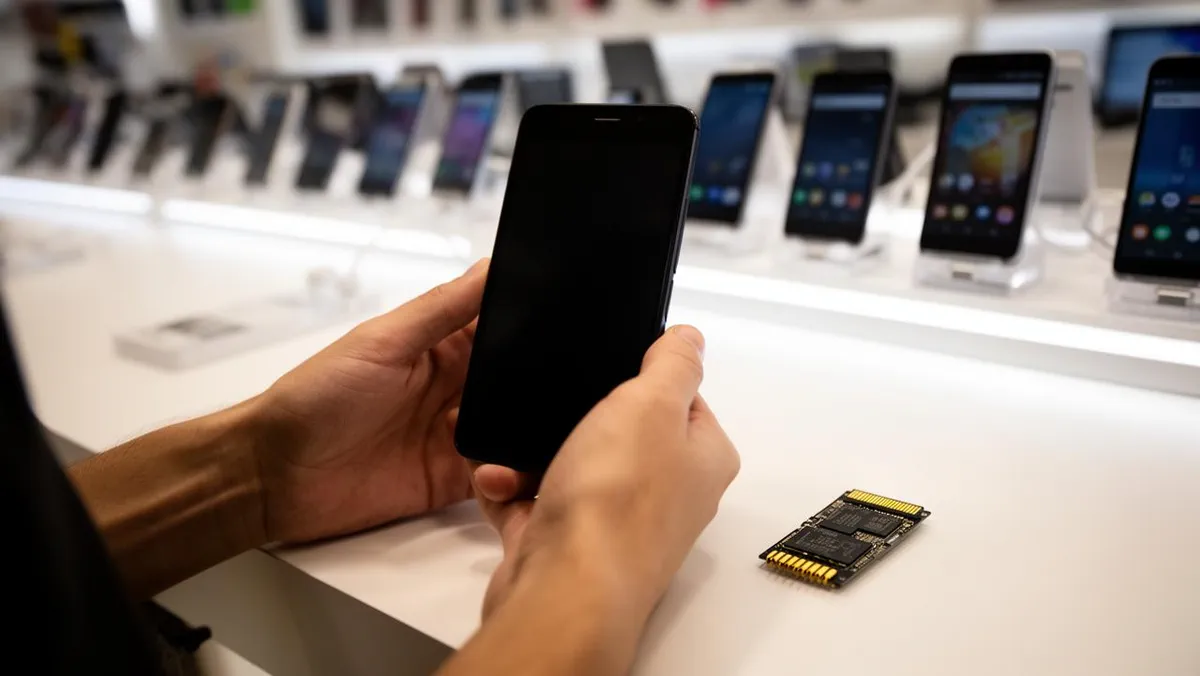 Photo: biggo.com (source)
Samsung retained the global crown by taking 23% of worldwide shipments, managing to limit its year-over-year volume decline to just 3%. Samsung benefited from captive in-house component supply lines and strong early demand for its flagship foldable, the Galaxy Z Fold8. Stable supply also allowed Samsung’s mid-range Galaxy A series to pick up market share in emerging markets where competing brands retreated.
By contrast, Chinese OEMs focused heavily on budget-conscious tiers bore the brunt of the memory crunch. Xiaomi suffered a steep shipment collapse of more than 30%, seeing its market share fall to 10%. OPPO (including OnePlus and realme) and vivo each saw shipments fall over 20%, dropping to 9% and 8% market share, respectively.
| Vendor | Q3 2026 Market Share | Q3 2025 Market Share | Estimated Shipment YoY Change | Primary Drivers |
|---|---|---|---|---|
| Samsung | 23% | ~20% | -3% | Galaxy Z Fold8 demand; stable internal memory supply |
| Apple | 22% | 18% | Moderate Decline | iPhone 18 Pro strength; iPhone 17 carryover |
| Xiaomi | 10% | >12% | > -30% | Exposure to budget tiers; rising BOM expenses |
| OPPO (incl. OnePlus/realme) | 9% | >10% | > -20% | Supply squeezes in price-sensitive segments |
| vivo | 8% | >9% | > -20% | Reduced presence in margin-compressed regions |
The China Battleground: Apple vs. Huawei
In China, the world's largest smartphone market, Apple proved remarkably resilient despite domestic headwinds. Independent data from IDC reported by Reuters revealed that total smartphone shipments across China fell 15.4% to 57.9 million units in Q3 2026, representing the country's sixth consecutive quarter of annual decline.
Apple outperformed the broader Chinese contraction, posting a shipment dip of just 4.3%. Apple captured 17.8% of the Chinese market, securing the second-place spot behind domestic leader Huawei, which led the nation with a 21% share. IDC noted that initial customer reception for Apple’s newly released iPhones exceeded expectations, even though the absence of a standard baseline model reduced gross channel volume.
Industry Reactions: Prioritizing Margin Over Volume
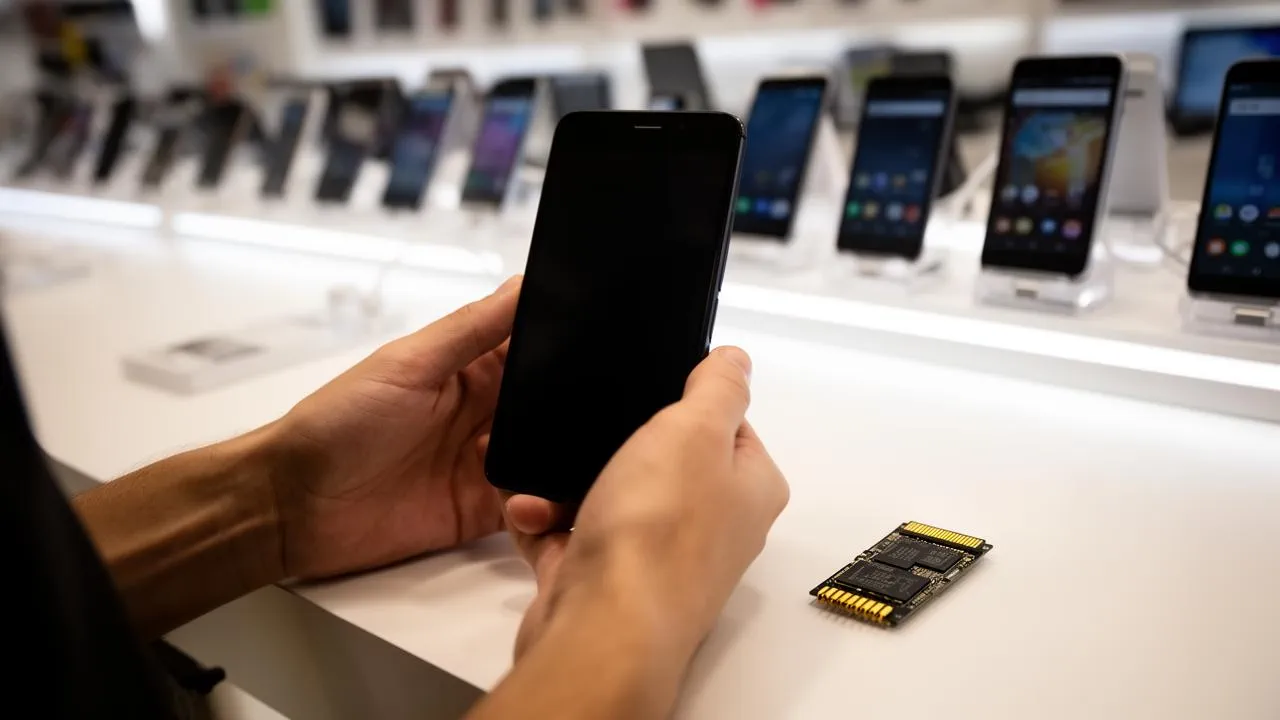 Photo: biggo.com (source)
Market observers note that the smartphone industry is undergoing a structural transformation, with manufacturers turning away from the unit-volume arms race to preserve operating margins.
Shilpi Jain, Senior Analyst at Counterpoint Research, characterized the period as a major turning point: “Q3 was the second successive quarter to take the full brunt of the memory crisis,” Jain said. “The extreme memory shortage is pushing the smartphone market into a more selective phase, reshaping OEM strategies and even consumer behavior. Consumers are holding on to their devices longer than estimated, increasingly considering refurbished devices and prioritizing higher-value devices, while OEMs are adjusting portfolios, pricing, and market strategies to protect profitability.”
On Wall Street, investors viewed Apple's resilience positively, sending Apple shares slightly higher following the report. Analysts maintain a consensus Moderate Buy rating on the stock, reflecting confidence in Apple’s premiumization strategy and sticky ecosystem.
What It Means for Smartphone Buyers
For consumers, the 2026 smartphone landscape requires a different shopping strategy than in prior upgrade cycles:
- Expect Fewer Budget Bargains: With component costs high, sub-$400 smartphones offer fewer aggressive hardware advancements than before, as manufacturers trim specs to preserve margins.
- Premium Holds Trade-In Value: Premium flagships like the iPhone 18 Pro and Galaxy Z Fold8 continue to fetch top-tier carrier subsidies and trade-in valuations. Buyers looking to upgrade should lean heavily on carrier trade-in promotions to offset retail price hikes.
- Consider Last-Gen Devices: With older generations like the iPhone 17 continuing production with ample parts availability, buying a previous-generation flagship represents the sweet spot for performance-per-dollar.
What Happens Next
The smartphone market heads into the crucial holiday quarter under continued strain. Counterpoint Research warns that a meaningful volume recovery is unlikely until memory production stabilizes and component costs begin to moderate. OEMs will continue pruning unprofitable product lines to conserve memory modules for their highest-margin devices.
Attention now shifts to Apple’s broader hardware roadmap. Apple is navigating an active autumn release slate, having staggered its phone portfolio while preparing expanded smart home and computing hardware. Whether Apple can overtake Samsung for global dominance during the fourth quarter will depend on holiday supply availability for the iPhone 18 Pro and the lingering resilience of consumer spending.
FAQ
What was Apple’s market share in Q3 2026?
Apple captured 22% of global smartphone shipments, up from 18% in Q3 2025, marking the company’s highest third-quarter share on record.
Why did Apple gain market share if its shipments declined?
Apple's total shipments shrank at a much slower rate than its competitors. Because rival brands suffered steep double-digit declines amid the global memory crisis, Apple's smaller shipment drop allowed it to control a larger overall percentage of the shrunken market.
Why wasn't there a standard iPhone 18 at launch?
Apple chose to stagger its rollout, launching its premium iPhone 18 Pro lineup in September without a standard iPhone 18, resulting in lower initial retail channel fill compared to prior multi-device launches.
Why is the smartphone market at a 14-year low?
A severe shortage of DRAM and NAND memory components inflated manufacturing costs, driving average retail smartphone prices up roughly 20% worldwide and reducing consumer demand in price-sensitive segments.
Who is the largest smartphone manufacturer globally?
Samsung remained the world’s top smartphone vendor in Q3 2026 with a 23% market share, edging out Apple by a single percentage point thanks to resilient foldable sales and secure memory supply chains.