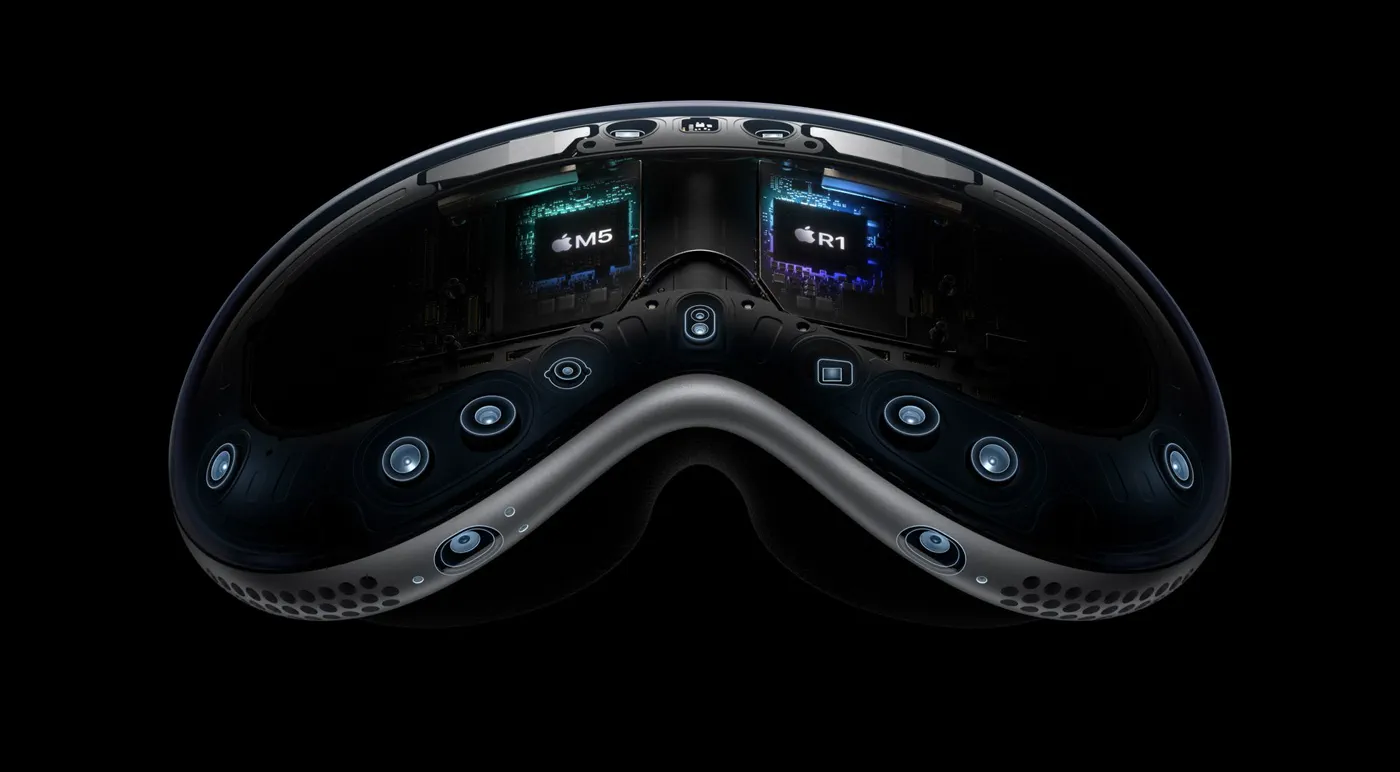
Apple’s spatial computing roadmap is undergoing an extensive internal overhaul as engineers evaluate four distinct design concepts for a successor to the Vision Pro. According to Bloomberg’s Mark Gurman in his Power On newsletter, the next-generation headset—internally codenamed N224—faces an uncertain future, with hardware development described as being on "life support" and no commercial release expected before late 2028 or early 2029.
The reassessment comes as Apple confronts sluggish retail demand for the original headset and aggressive moves from competitors like Meta, prompting leadership to rethink whether mixed reality belongs in a self-contained visor or an ultralight setup that offloads its computing power entirely.
Inside Codename N224: Apple's Four Headset Concepts
Rather than committing to a single direct follow-up, Apple’s Vision Products Group is running four parallel hardware tracks under the N224 umbrella to fix the primary complaints dogging the first-generation device: excessive weight, facial discomfort, and an exorbitant price tag.
- Concept 1 (Refined All-in-One): Retains the familiar curved, egg-shaped front glass and aluminum enclosure of the original Vision Pro, but swaps heavy structural elements for lightweight plastics, titanium, and specialized structural alloys to trim front-heavy mass.
- Concepts 2 and 3 (Material Blend Hybrids): Two related experimental variations testing alternative chassis structures, reimagined internal thermal routing, and modified optical assemblies aimed at allowing users to wear the headset comfortably for longer than 20 minutes without neck fatigue.
- Concept 4 (The Split Compute Puck): The most radical departure, which strips the processor, cooling fans, and primary circuitry out of the head-mounted frame and moves them into a pocket-sized external compute puck that also houses the battery.
By exploring these divergent paths, Apple hopes to determine whether the device should remain a solitary, ultra-premium workstation or transform into a stripped-down wearable screen driven by a tethered auxiliary unit.
The Great Internal Puck Debate: All-in-One vs. Offloaded Compute
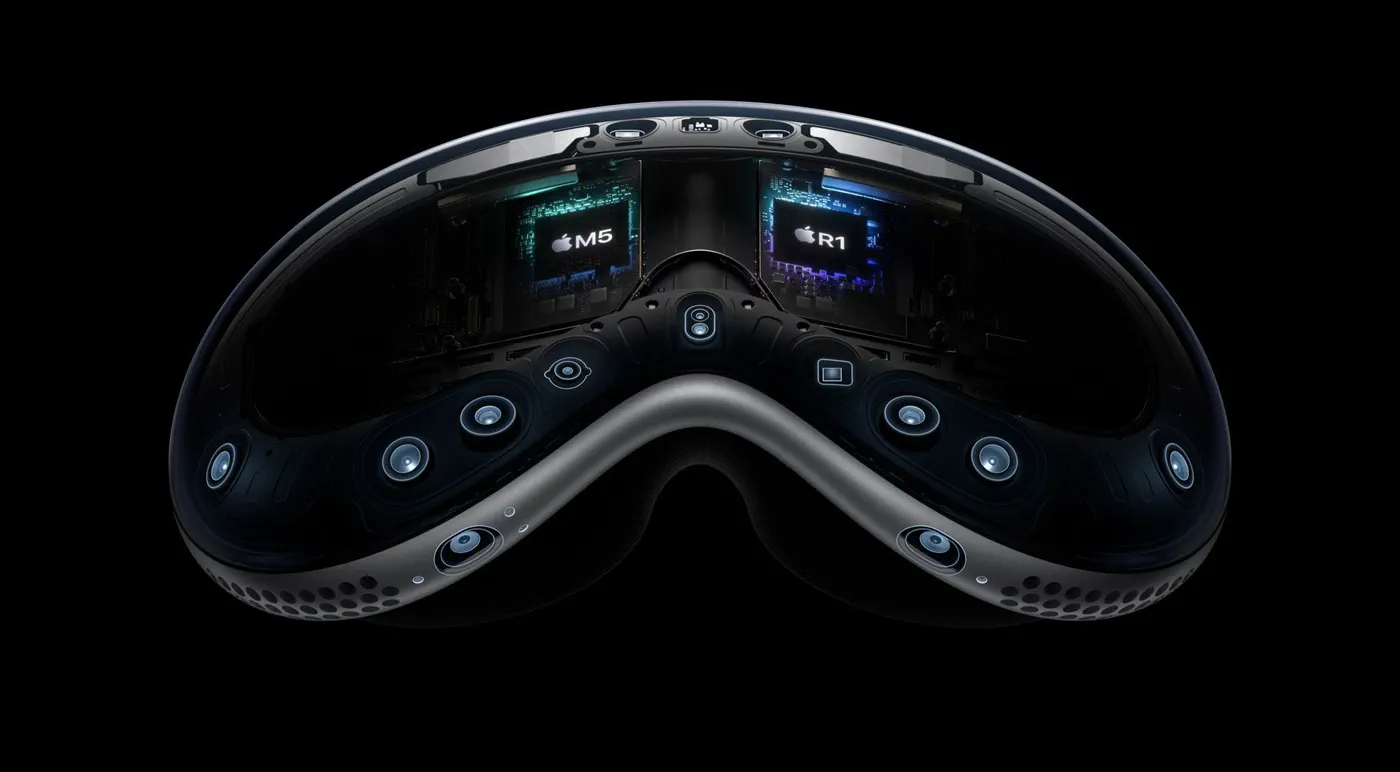 Photo: MacRumors: Mac News and Rumors - Front Page (source)
The fourth concept—offloading core hardware to an external puck—has triggered intense philosophical debate inside Apple Park. The original Vision Pro was designed around an uncompromising "all-in-one" vision, keeping high-performance M-series silicon, thermal heat pipes, and sensor processing directly on the wearer’s skull, with only the battery pack tethered by a cord.
Advocates of the external puck argue that moving the heavy processors, cooling fans, and logic boards off the face is the only viable engineering path to reduce the headset's physical weight from over 600 grams down to an effortlessly wearable form factor.
However, senior decision-makers inside Apple are pushing back strongly. Gurman reports that multiple high-level executives view an external compute puck as a poor user experience, arguing that tethering users to a wired box in their pocket degrades the seamless, standalone elegance expected of an Apple device. Because leadership remains deadlocked over this architectural foundation, Apple has been unable to lock down silicon targets or finalize tooling specifications.
Headset Specs and Strategies Compared
The diverging paths for N224 illustrate how Apple is trying to bridge the gap between heavy, high-cost spatial computers and ultra-lightweight wearable displays.
| Specification / Feature | Apple Vision Pro (2024) | Apple N224 Concept A (All-in-One) | Apple N224 Concept B (Compute Puck) | Meta VR Glasses (Announced Sept 2026) |
|---|---|---|---|---|
| Form Factor | All-in-one visor (external battery) | All-in-one visor (external battery) | Ultra-light visor + compute puck | Ultra-light glasses + compute pack |
| Target Headset Weight | 600–650 grams | 400–450 grams (estimated) | Under 200 grams (projected) | ~100 grams |
| Compute Location | Headset (M2 + R1 chips) | Headset (Next-gen A/M series) | External pocket puck | External pocket puck |
| Primary Materials | Aluminum, laminated glass | Plastic, titanium, magnesium alloys | Lightweight composites, plastic | Lightweight polymers, magnesium |
| Display Resolution | Dual 4K micro-OLED | Dual 3K–4K micro-OLED | Dual micro-OLED | Dual 2.4K–5K micro-OLED |
| Estimated Price | $3,499 | $1,500 – $2,500 (targeted) | $1,000 – $1,500 (targeted) | $1,299 |
| Availability | Launched February 2024 | Late 2028 or 2029 (unconfirmed) | Late 2028 or 2029 (unconfirmed) | Spring 2027 |
How Apple Got Here: Shelved Models and Storefront Slump
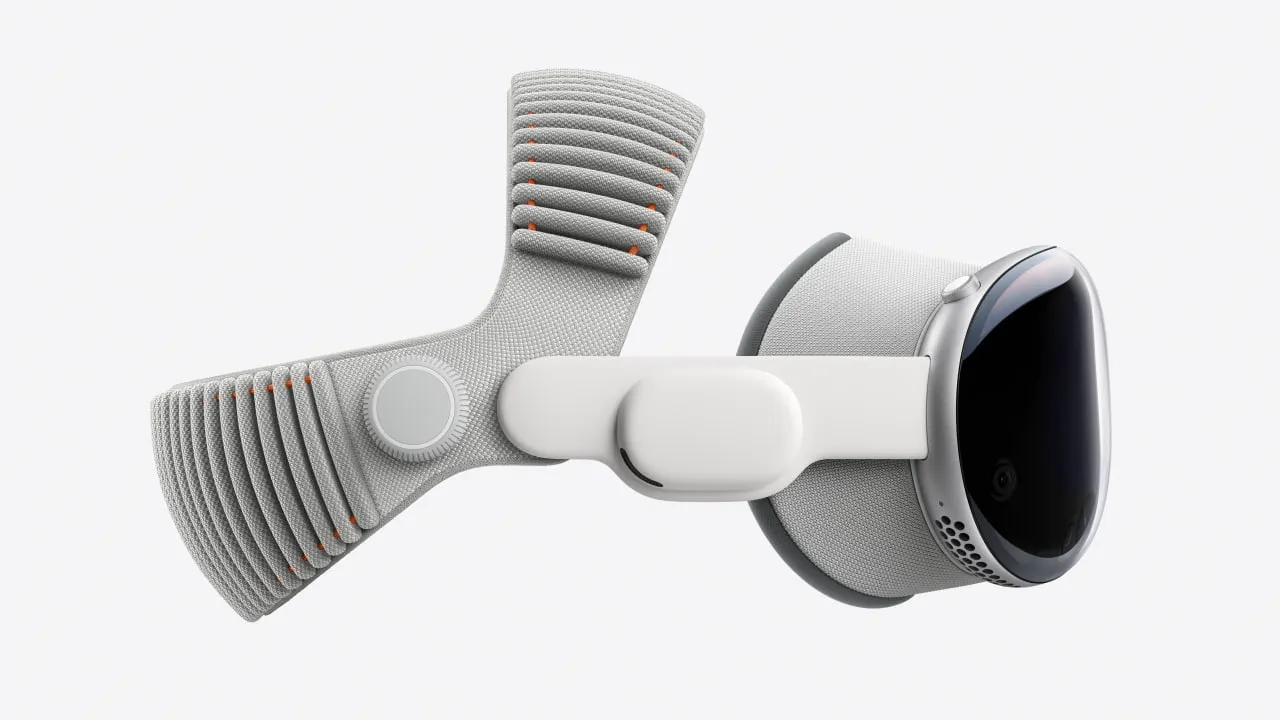 Photo: iclarified.com (source)
The unsettled status of N224 follows years of false starts and canceled hardware programs. Prior to N224, Apple worked on several alternative concepts that were quietly abandoned:
- N107: An early lower-cost prototype that would have completely eliminated onboard processing by tethering directly to an iPhone or Mac.
- N100 ("Vision Air"): A lighter consumer-tier headset explored throughout 2024 and officially shelved in 2025 due to cost and technical compromises.
- N109: A minor performance bump to the original Vision Pro featuring upgraded processors and cameras, which was paused when demand cratered.
Commercial performance has exacerbated the issue. Across retail locations worldwide, employees report that stores are frequently lucky to sell even one Vision Pro per month.
Internally, the Vision hardware team has been demoted in organizational stature. Following the departure of longtime hardware engineering head Paul Meade to OpenAI, hardware chief Fletcher Rothkopf now reports to Vice President Tom Marieb under Hardware Technologies chief Johny Srouji. Apple CEO John Ternus has privately remarked to colleagues that the first Vision Pro is best understood as an experimental "stepping stone" rather than an enduring hardware architecture.
The Competitive Pressure from Meta's $1,299 VR Glasses
Apple's internal deadlock has been intensified by Meta’s rapid product progression. At its Connect conference, Meta unveiled a pair of $1,299 VR Glasses slated for launch in spring 2027.
Meta’s device achieves a featherweight 100-gram profile precisely by utilizing the compute-puck architecture Apple's executives have resisted. By housing its Snapdragon Reality Elite silicon, cooling mechanisms, and battery inside a tethered pocket module, Meta bypassed facial thermal limits while providing full-color mixed-reality passthrough at roughly one-third of the Vision Pro's $3,499 entry price.
With Meta hitting the market at least 18 months ahead of any potential Apple successor, Apple faces the risk of ceding the lightweight spatial computing category before its own product can even reach production lines.
Apple's Wearables Pivot: Why Smart Glasses Take Priority
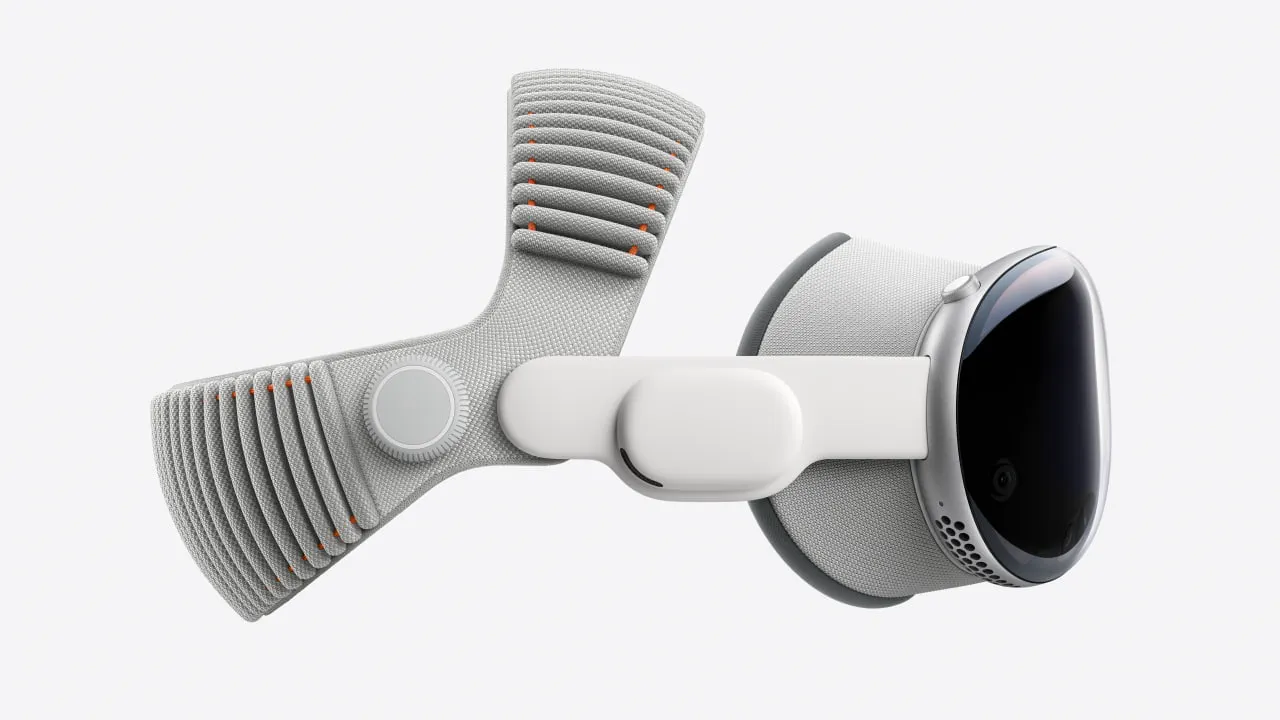 Photo: iclarified.com (source)
With N224 on life support, Apple has redirected the bulk of its wearable engineering talent toward lightweight smart glasses without heads-up displays.
Targeting an initial release around late 2027, these glasses are modeled more closely on the runaway success of Meta's Ray-Ban frames than the spatial computing dreams of visionOS. They will rely heavily on onboard cameras, open-ear audio, microphones, and multimodal Apple Intelligence to handle navigation, identification, and contextual queries without bearing the weight, heat, and expense of micro-OLED optical engines.
Alongside smart glasses, Apple's hardware labs are pursuing camera-equipped AirPods and health-centric wristbands designed to feed environmental visual context directly into Apple Intelligence models, bypassing facial displays altogether.
What This Means for Current Vision Pro Owners and Buyers
For existing Vision Pro owners and prospective enterprise buyers, the delayed roadmap offers both clarity and caution:
- Extended Shelf Life: Current hardware will remain Apple's flagship spatial computer for the foreseeable future. There is no risk of an immediate replacement rendering current $3,499 units obsolete before 2028.
- Software-Only Evolution: Major improvements will arrive strictly through visionOS software updates rather than hardware revisions.
- Ecosystem Uncertainty: Third-party developers who paused investment due to low install bases are unlikely to return en masse without an accessible consumer model in the near term.
- Buyer Advice: General consumers should avoid purchasing the existing Vision Pro at full price. Enterprise clients and niche spatial video professionals remain the only audiences who can justify the hardware under Apple’s elongated update cycle.
What Happens Next and Unanswered Questions
The fate of N224 rests on whether senior leadership can reach consensus on form factor before the end of the fiscal cycle. If the faction demanding a self-contained, all-in-one design wins, Apple may be forced to delay the product even further until battery density and silicon thermals allow for a miniature headset.
Key unresolved questions remain:
- Will Apple allow the Vision Pro brand to go completely dark for nearly five years, or will it release an interim chip-refresh to appease developer partners?
- Can visionOS maintain developer momentum if the company's primary public wearable push shifts to displayless smart glasses?
- If Meta captures the sub-$1,500 mixed-reality space in 2027, will Apple retain enough consumer leverage to launch a revamped Vision headset in 2029?
FAQ
Is Apple canceling the Vision Pro entirely? No, Apple has not officially canceled the product category, but development of its next-generation headset (N224) is described as being on "life support" while leadership debates its physical form.
When will the next Apple Vision headset be released? If Apple proceeds with commercialization, the revamped headset is not expected to ship until late 2028 or early 2029 at the earliest.
What are the four design concepts Apple is testing? Apple is evaluating an all-in-one headset made of lighter plastics and titanium, two hybrid material variations aimed at reducing facial pressure, and a radical design that moves the processor and cooling system into a separate, pocketable compute puck.
Why is Apple considering an external puck? Moving the processors, fans, and logic boards off the headset into a pocket unit dramatically cuts head-borne weight, but some executives oppose the idea because they believe a tethered cord provides a compromised user experience.
What is Apple working on instead for the near term? Apple has shifted its primary wearable hardware focus toward displayless smart glasses powered by cameras, microphones, and Apple Intelligence, targeted for launch around late 2027.