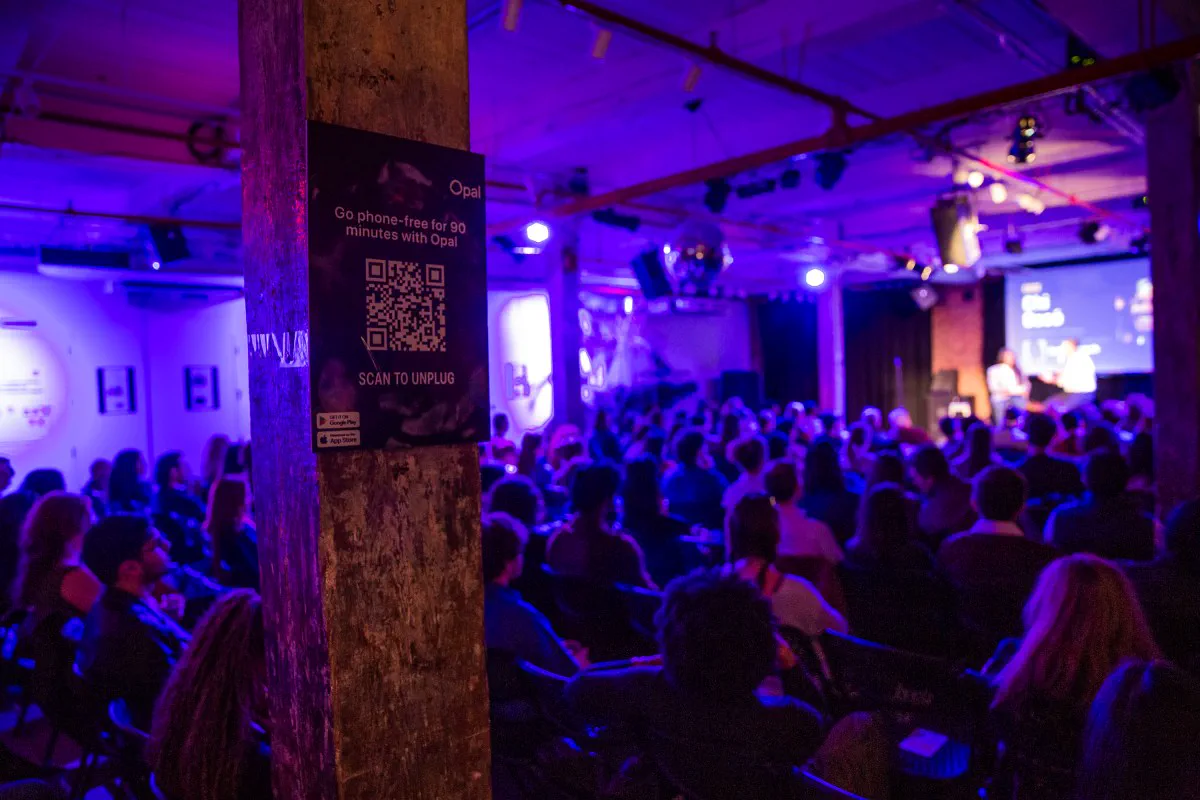
On October 29, 2026, just five days before the national midterm elections, an audience of media workers, tech founders, and policy advocates in Brooklyn openly booed when asked if anyone supported artificial intelligence data centers. The moment, which unfolded at a gathering hosted by news organization Newsreel, signaled that the physical infrastructure powering generative AI has transformed from a localized zoning debate into one of the most volatile, cross-partisan issues on the 2026 ballot.
What was once celebrated by municipal leaders as an easy windfall of corporate tax revenue has run headfirst into voter anger over spiking electricity rates, opaque land deals, and intense strain on shared utility grids. From rural exurbs in Texas and Virginia to dense urban strongholds in New York, communities are pushing back against the massive server warehouses required by OpenAI, Google, Microsoft, and Meta. As voters head to the polls, politicians on both sides of the aisle are finding that defending Big Tech's physical footprint is becoming a distinct political liability.
Boos in Brooklyn: How Server Farms Stole the Midterm Spotlight
The Brooklyn gathering, titled "Midterm Madness" and hosted by Newsreel, was intended to cover broad national themes such as economic anxiety, foreign policy, and the future of political parties. Instead, discussions repeatedly gravitated toward artificial intelligence and its real-world costs. Newsreel founder Jack Brewster noted that data centers surfaced in every single onstage conversation throughout the evening and ranked second among all audience-submitted questions.
The centerpiece of the program featured a dedicated panel titled "The Data Center Next Door: AI, data centers, and your electric bill," moderated by TechCrunch reporter Dominic-Madori Davis and featuring policy researcher Maia Woluchem alongside community advocate Hilary Flint. When the audience was polled on whether they supported building AI data centers, the response was an audible, collective groan.
Even an unrelated strategy session on the future of the Democratic Party derailed into a sharp dispute over compute infrastructure. Commentator Batya Ungar-Sargon pointed to union backing and working-class pride in heavy industrial jobs, while journalist Astead Herndon countered that blue-collar communities are revolting because local residents are rarely granted democratic consent before tech developers break ground.
Watch: Data Centers: The Hidden Midterm Issue That Could Decide Key Races | US Midterms 2026 | N18G

Video: CNN-News18 on YouTube
The $200 Billion Backlash: Project Delays by the Numbers
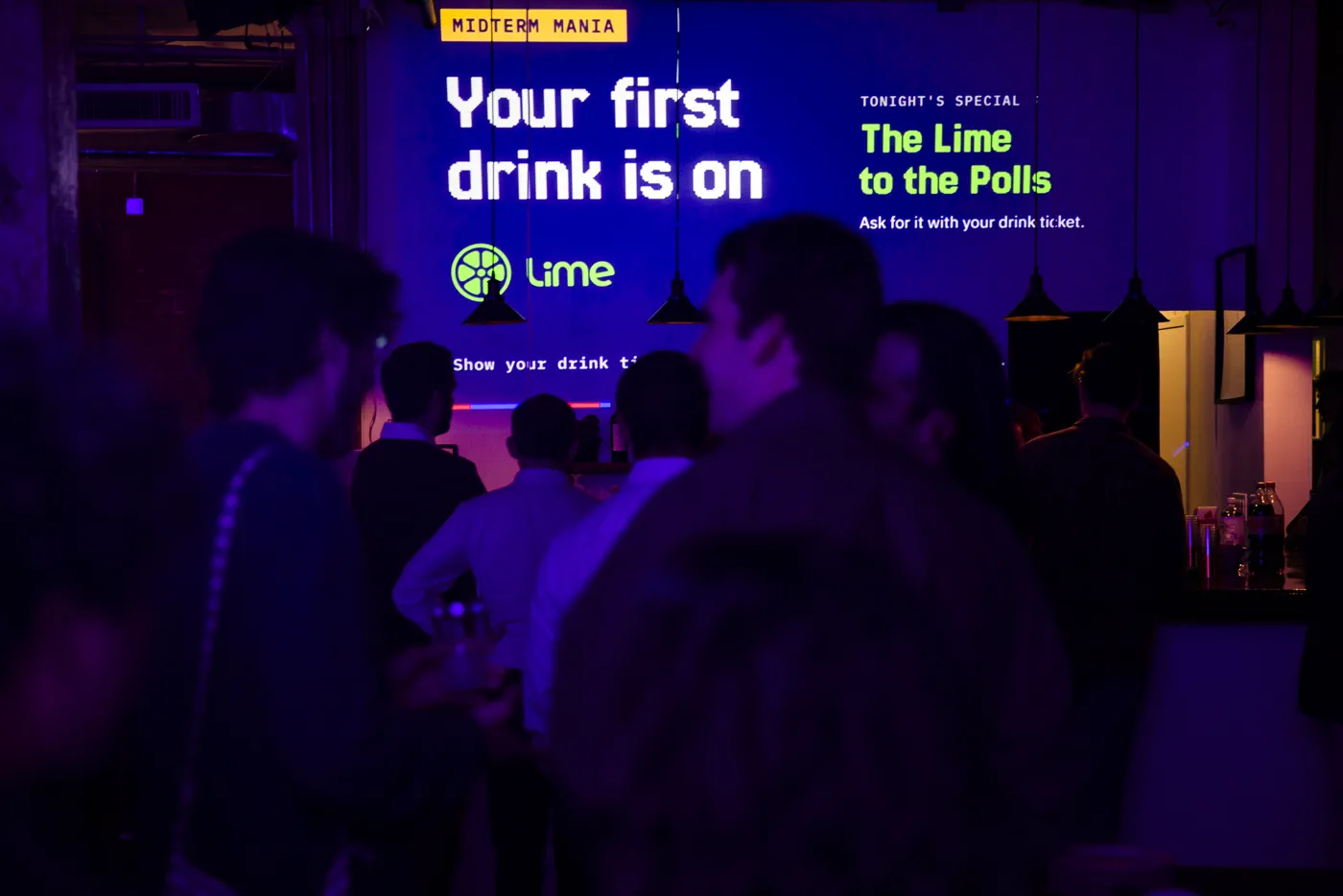 Photo: TechCrunch (source)
The hostility on display in Brooklyn mirrors severe commercial disruptions across the United States. According to tracking figures from industry monitor Data Center Watch, nearly $200 billion in proposed data center projects were delayed, stalled, or outright blocked by municipal opposition and regulatory hurdles during the first six months of 2026 alone.
Between January and March 2026, citizen groups and local councils stalled 75 projects valued at approximately $130 billion. That resistance accelerated from April through June, halting another 45 projects representing nearly $68 billion in capital expenditure. While these figures represent affected pipeline value rather than permanently scrapped capital, they prove that community opposition has evolved from isolated protests into an existential choke point for AI expansion.
| State / Region | Policy or Regulatory Action | Key Issue Cited | Pipeline Impact |
|---|---|---|---|
| New York | 1-year statewide moratorium on large data centers | Grid reliability, zero-carbon mandate conflicts | Paused upstate industrial campus permits |
| Texas | Review of tax exemptions; paused utility approvals | ERCOT grid stability, water depletion | Up to 1,800 proposals stalled or halted |
| Oklahoma | Ratepayer Protection Act (effective July 1, 2026) | Consumer utility bill inflation | Mandated 60-day disclosures for 75+ MW sites |
| PJM Interconnection | Multi-state capacity auction pricing adjustments | Wholesale power capacity spikes | Data centers drove $6.3 billion of auction costs |
| Virginia | County-level zoning caps and noise ordinances | Water usage, proximity to residential housing | Scrutiny over hundreds of planned hyperscale sites |
Why Voters Are Furious: Electric Bills, Water, and Grid Strain
Voter anger is not abstract; it is arriving in monthly utility bills. A modern hyperscale AI facility can consume between 100 megawatts and 1 gigawatt of power—equivalent to the consumption of hundreds of thousands of residential homes. Because regional utilities must rapidly build out substations, transmission lines, and peaker plants to support these loads, ratepayers are absorbing the capital expenditure.
Data from regional grid operator PJM Interconnection, which coordinates electricity across 13 states and Washington, D.C., illustrates the financial shift. In a recent capacity market auction that totaled $16.4 billion, PJM's independent market monitor determined that $6.3 billion—or 38.2% of the entire cost—was driven directly by data center demand. Over the past four auctions combined, data center loads accounted for $29.4 billion, representing 46.2% of all capacity charges.
Beyond power, resource depletion and local disruption dominate complaints:
- Water Consumption: Hyperscale cooling towers evaporate millions of gallons of potable water daily, threatening municipal aquifers during summer droughts.
- Acoustic and Air Pollution: Industrial chillers generate a continuous low-frequency hum, while sprawling yards of backup diesel turbines and dedicated natural gas generators degrade neighborhood air quality.
- Subsidies vs. Returns: States historically offered hundreds of millions of dollars in sales and property tax abatements to attract facilities that yield minimal permanent local jobs once construction ends.
A Bipartisan Wedge Issue Defying Red and Blue Lines
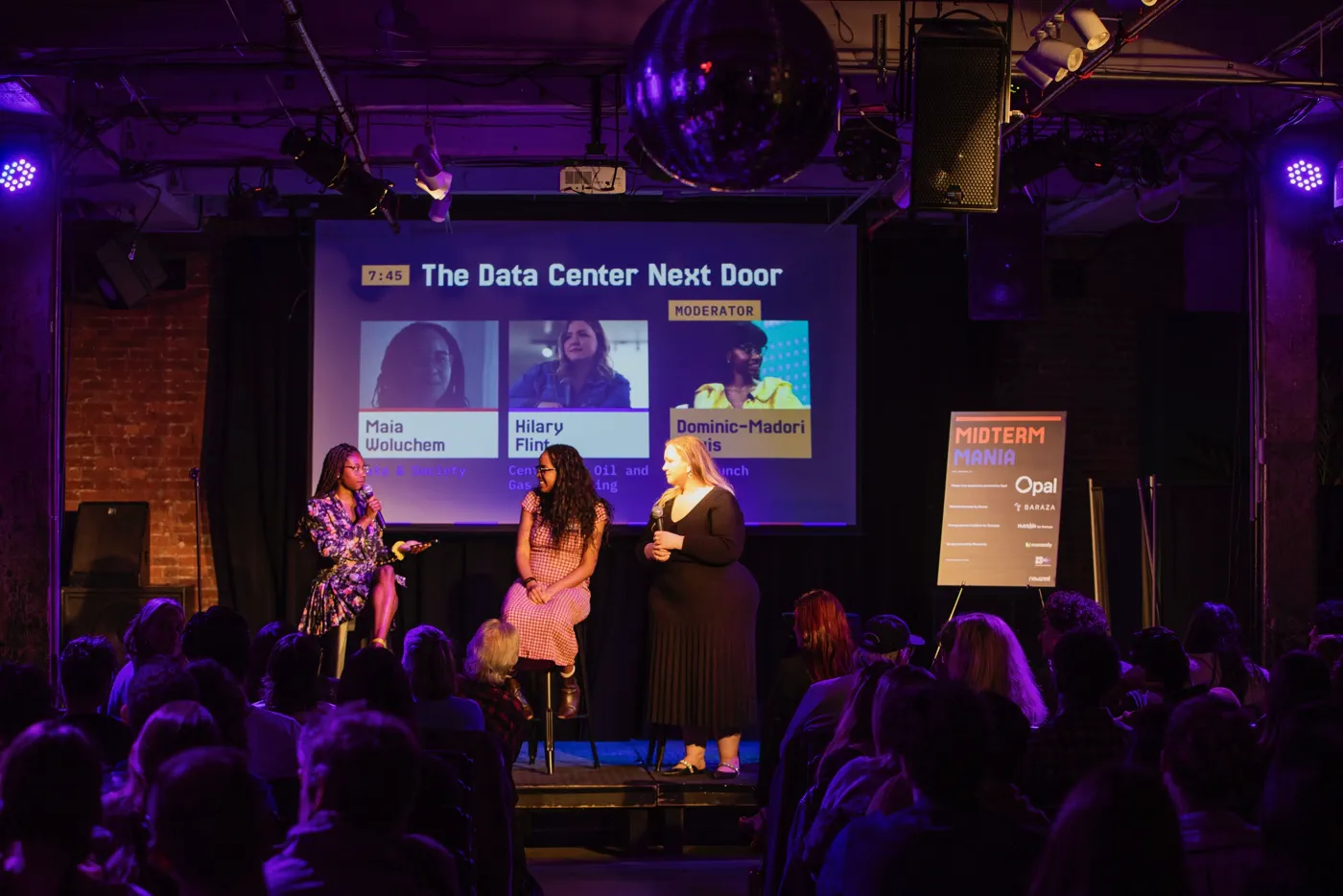 Photo: TechCrunch (source)
In an otherwise polarized midterm environment, opposition to data centers has united progressive climate activists with conservative rural homeowners. An August 2026 Reuters/Ipsos survey revealed that 64% of Americans do not believe it is healthy to build data centers at the current pace. Furthermore, 77% of respondents fear these facilities will increase household electricity rates, and only 14% would willingly live near one. A late-October Gallup poll found that 53% of voters consider AI data center construction an "extremely" or "very" important factor in their midterm vote.
Campaign trails across the country reflect this shift. In the high-stakes Ohio Senate race, Democratic challenger Sherrod Brown launched broadcast advertisements labeling Republican incumbent Jon Husted the "face of data centers," hammering Husted's past support for tech tax incentives. In Texas, Republican Governor Greg Abbott, long a champion of deregulation, publicly pivoted by halting utility interconnections for up to 1,800 proposed sites and demanding legislative limits on tax giveaways. Meanwhile, in New York, Democratic Governor Kathy Hochul enacted a one-year pause on massive facilities to prevent regional blackout risks.
The Labor Alliance Meets the Limits of Local Consent
Big Tech is not without allies. Building trades unions remain passionate defenders of data center development, as the construction boom has generated record apprentice enrollments and high-paying jobs for electricians, pipefitters, and steelworkers. Tech conglomerates have poured millions of dollars into union training academies, ensuring organized labor lobbies statehouses aggressively on their behalf.
However, community organizers point out that the economic equation changes drastically once the building is completed. A facility covering hundreds of thousands of square feet may require thousands of temporary construction workers, but once operational, it often employs only 30 to 50 permanent staff members, primarily security guards and IT technicians. Residents argue they are left bearing permanent utility surcharges, noise, and environmental degradation in exchange for negligible local employment.
Practical Implications for Ratepayers and Tech Consumers
 Photo: TechCrunch (source)
For consumers, the midterm backlash will directly influence household finances and digital services:
- Utility Bill Surcharges: Residents in PJM states, Texas, and the Southeast should brace for higher distribution charges unless state regulators mandate that tech companies pay "large-load tariffs" that cover 100% of dedicated grid expansions.
- AI Subscription Costs: As developers face regulatory delays, litigation, and higher power prices, the cost per computing token will rise. Tech firms may pass these infrastructure bottlenecks on to enterprise clients and retail subscribers of tools like ChatGPT Plus and Google Workspace.
- New Disclosure Rules: Following laws like Oklahoma's Consumer Ratepayer Protection Act, property owners near zoned industrial land will gain greater statutory notice before high-draw facilities break ground.
What Happens Next: The 2027 Policy Landscape
When newly elected lawmakers take office in early 2027, data center regulation will top legislative dockets across the country. State legislatures in Virginia, Georgia, Pennsylvania, and Texas are already drafting bills to eliminate data center sales-tax exemptions, mandate closed-loop water cooling systems, and require tech companies to co-locate dedicated, privately funded power generation.
Hyperscalers are adjusting their strategies in response. Executives, including OpenAI's Sam Altman, have recently floated constructing future gigawatt-scale clusters deep in desert basins or remote regions far from residential population centers. Tech giants are also pursuing behind-the-meter small modular nuclear reactors (SMRs) and private solar-plus-storage installations. Whether those solutions arrive fast enough to appease an electorate weary of footing the bill for Silicon Valley's computing appetite remains the defining unanswered question of the AI boom.
FAQ
Why are AI data centers causing electricity bills to rise? AI data centers require enormous amounts of continuous power, forcing regional grid operators to build expensive new transmission lines and power plants. Under traditional utility regulatory models, the capital costs of upgrading this shared grid infrastructure are distributed across all residential and business ratepayers.
How many data center projects have been stopped by communities? According to Data Center Watch, local community opposition, permitting battles, and zoning challenges delayed, stalled, or blocked 120 projects worth nearly $200 billion across the first six months of 2026.
What states have placed restrictions on data center construction? New York enacted a one-year moratorium on large-scale facilities, Texas halted grid reviews for up to 1,800 proposals, and Oklahoma passed ratepayer protection legislation mandating strict developer disclosures. Other states, including Virginia, Georgia, and Pennsylvania, are considering zoning caps and tax incentive rollbacks.
Do data centers create long-term local jobs? While data centers create thousands of short-term jobs for unionized building trades during construction, operational facilities require very little human labor, typically employing only 30 to 50 permanent workers.
How are tech companies responding to local pushback? Major AI developers are exploring remote locations such as Southwestern deserts, investing in private on-site power generation like small modular reactors, and facing pressure from regulators to fund their own dedicated electrical hookups.