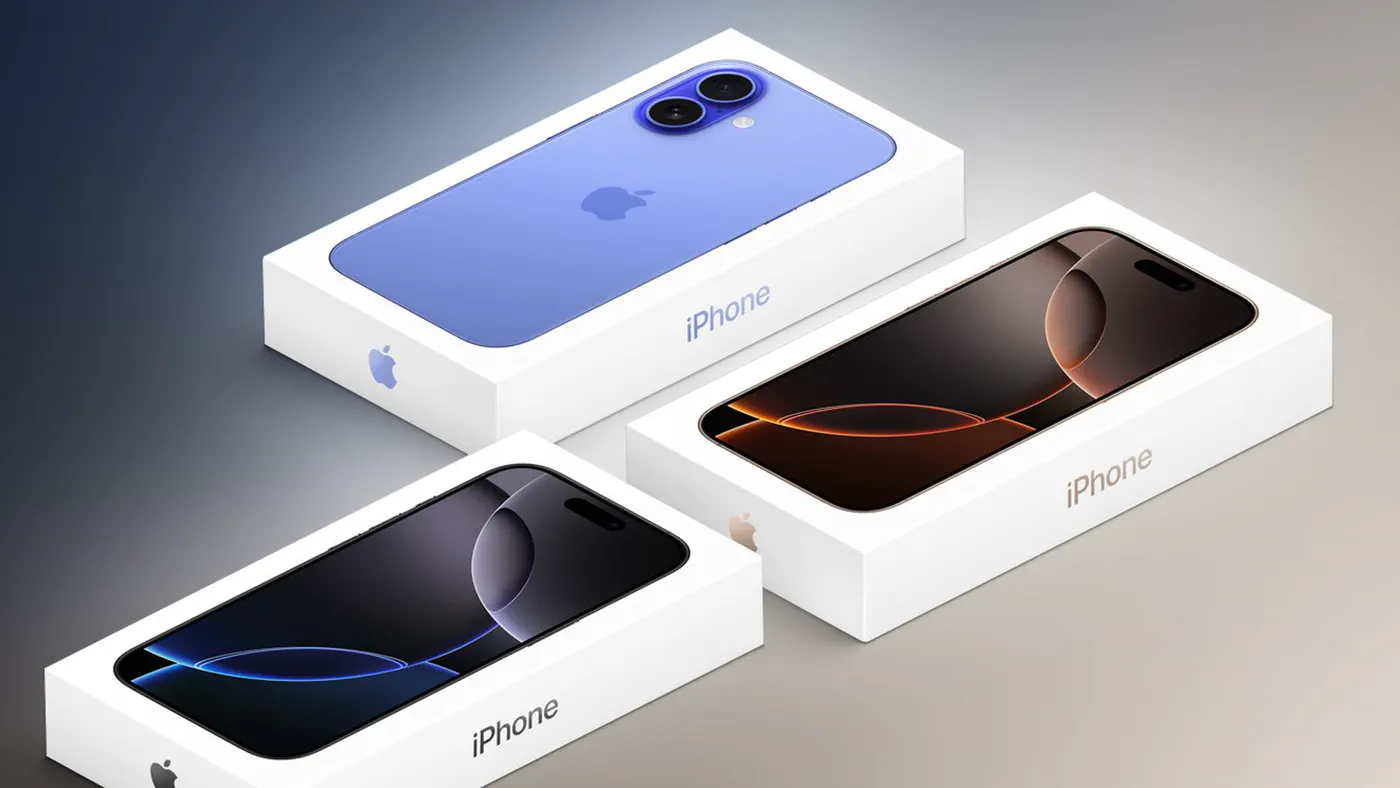
Apple has begun deploying a specialized in-store diagnostic system designed to verify unopened iPhones during customer returns without breaking factory packaging seals. Reported by Bloomberg's Mark Gurman in his Power On newsletter on October 25, 2026, the new hardware is aimed at curbing a sophisticated wave of retail fraud while preventing millions of dollars in wasted inventory. The initiative represents a major evolution in how Apple protects its supply chain at the store level.
A Tech Solution to Return Fraud
Retail theft and fraudulent returns have grown increasingly complex across consumer electronics. In typical return fraud scenarios, bad actors purchase high-value devices like the flagship iPhone series, remove expensive internal parts—such as camera modules, logic boards, or batteries—or take the phone entirely, replace the weight with filler material, and reseal the package using aftermarket pull-tabs. The perpetrators then take the box back to an Apple Store to claim a full refund, hoping retail specialists will accept the seemingly untouched box at face value.
Historically, Apple addressed this by instructing store employees to manually cut open suspicious boxes to physically inspect the contents. While effective at catching clumsy scams, the manual policy created a costly logistical bottleneck. Once factory seals are breached, legitimate returns can no longer be sold as brand-new. Those units must be packed, shipped back to central refurbishing depots, and subjected to factory recertification before being diverted into replacement pools or secondary markets at lower margins.
Apple's new scanner targets both sides of this dilemma: it exposes stolen or stripped hardware while allowing genuine, untouched devices to stay sealed and return directly to store shelves.
How the In-Box Scanner Works
 Photo: MacRumors: Mac News and Rumors - Front Page (source)
According to Gurman's report, Apple began shipping the scanning hardware to retail locations earlier in October 2026, and machines are now entering daily operations. Retail employees place a returned, packaged iPhone into the scanner, which interacts wirelessly with the device through the cardboard packaging.
In his newsletter, Gurman described the machine's primary function: it can "scan an in-box iPhone and run diagnostics on it to make sure the phone is fully intact, leaving the box sealed and able to be put back into inventory".
The system utilizes wireless protocols including Near Field Communication (NFC) and MagSafe inductive coupling. The diagnostic routine executes several automated steps:
- Presence Verification: Determines if an authentic iPhone is physically inside the box.
- Power-On and Component Check: Wirelessly activates the internal circuitry to ping essential subsystems.
- Integrity Validation: Verifies serial identifiers and cross-references hardware components to ensure no proprietary modules have been swapped for counterfeit or salvage parts.
- Seal Preservation: Finishes diagnostics and cleanly powers the unit down without disturbing retail pull-tabs.
While Apple has not publicly revealed the complete list of internal sensors or components the machine validates, the test confirms that the phone is genuine and functionally whole.
Comparison: Presto Updater vs. New Anti-Theft Return Scanner
The diagnostic reader builds directly upon the architecture of "Presto," the proprietary machine Apple developed in 2024 to wirelessly update unopened iPhones before customer pickup. However, while Presto focused on software updates, the new machine is specifically tuned for hardware security and diagnostic auditing.
| Feature / Attribute | Apple Presto (2024–Present) | New In-Box Return Scanner (October 2026) |
|---|---|---|
| Primary Objective | Update iOS firmware before sale | Detect return fraud and component theft |
| Operational Point | Pre-sale / Store stock room | Post-sale / Return counter and Genius Bar |
| Box Condition | Preserves original factory seal | Preserves original factory seal |
| Wireless Tech Used | NFC, MagSafe power delivery, Wi-Fi | NFC, MagSafe coupling, diagnostic signals |
| Key Action | Downloads and applies iOS updates | Evaluates component health, serials, and integrity |
| Inventory Outcome | Customer receives updated phone out of box | Intact returns return immediately to store stock |
| Rollout Window | Phased across 2024 | Began shipping October 2026 |
The Growing Threat of Retail Shrink and Component Stripping
 Photo: macobserver.com (source)
Consumer electronics retain considerable aftermarket value, making iPhones prime targets for organized retail crime. In recent years, federal law enforcement agencies have prosecuted multi-million-dollar fraud rings that targeted Apple Stores. In several notable cases in Southern California, counterfeit rings imported dummy devices bearing genuine, harvested serial numbers and attempted to pass them off to store staff under warranty exchange or return schemes, costing the company tens of millions of dollars.
In addition to whole-device scams, aftermarket component harvesting has surged. Individual parts—such as authentic OLED panels, TrueDepth camera arrays for Face ID, and genuine logic boards—command high prices on secondary repair channels. Fraudsters have taken advantage of standard 14-day return policies by purchasing new flagships, stripping internal assemblies in a cleanroom, installing dummy brackets, resealing the package, and requesting a refund. By the time downstream buyers or warehouse workers discovered the theft, the original purchaser was long gone.
How Apple's Approach Compares to Retail Industry Standards
Most big-box retailers rely on basic mechanical counter-measures to combat return fraud. Retailers like Best Buy, Target, and mobile carrier stores typically inspect boxes visually, weigh packages on precision scales, or simply open every returned box as standard operating procedure.
While scales can detect if a 200-gram phone is missing entirely, they cannot tell if a lightweight aftermarket ballast has been placed inside an iPhone chassis to mimic internal components. Manual unboxing catches physical swaps, but it automatically downgrades pristine inventory to "open-box" status, forcing retailers to sell devices at a 10% to 20% discount.
By leveraging the wireless diagnostic handshake built into modern iPhone hardware, Apple sidesteps both shortcomings. The device provides an automated verification process that is virtually impossible to bypass with dummy weights, while keeping pristine inventory fully eligible for top-tier retail sale.
Community and Industry Reactions
 Photo: macobserver.com (source)
Retail and tech analysts have noted that the move highlights Apple's unique ability to integrate proprietary hardware with custom retail tooling. Store employees have quietly welcomed the change on industry forums, noting that manual inspections often put frontline staff in contentious confrontations with customers when an unsealed box revealed missing parts. An automated diagnostic reading provides objective, machine-generated confirmation before a refund transaction can clear.
Consumer advocates emphasize that legitimate customers should experience zero friction. For an honest buyer returning an unwanted color or model within the 14-day return window, the scanning process takes only moments and eliminates awkward questioning about whether the packaging has been tampered with.
Practical Advice for Customers Returning Products
For customers planning to return an iPhone at an Apple Store, the new protocol will subtly change the counter experience:
- Keep Factory Packaging Intact: If you purchase an iPhone and change your mind without opening it, do not break the seal or peel the adhesive tabs. Keeping the packaging untouched allows the store to run the in-box diagnostic and immediately credit your original payment method.
- Allow a Few Extra Minutes: Returns of sealed electronics may now include a short pause while the device sits in the diagnostic scanner.
- Buy Directly or Through Authorized Channels: If purchasing sealed devices through private marketplaces (like Craigslist, eBay, or Facebook Marketplace), exercise extreme caution. Scammers unable to return tampered boxes to Apple Stores may attempt to offload stripped or empty boxes to unsuspecting private buyers.
Unanswered Questions and What Lies Ahead
Although deployment is underway across retail stores, several operational questions remain:
- Third-Party Availability: Apple has not revealed whether it will share the diagnostic scanner or its underlying software API with authorized carrier partners like AT&T, Verizon, and T-Mobile, or major retailers like Best Buy. These partners process a massive percentage of total iPhone sales and face identical return fraud vulnerabilities.
- Component Scope: It remains unconfirmed precisely which internal modules the scanner can detect independently without full device boots, and how it handles units with completely depleted batteries.
- Expansion to Other Hardware: While the system currently targets iPhones, Apple may eventually expand similar in-box diagnostic capabilities to iPads, Apple Watches, or MacBooks as internal wireless architectures evolve.
For now, the in-box scanner establishes a new standard for loss prevention, proving that the best defense against retail fraud is deeper hardware integration.
FAQ
Why is Apple introducing a new return scanning tool? Apple is deploying the scanner to stop fraudulent returns where thieves remove internal components, accessories, or the entire phone before resealing the box for a refund. It also allows legitimate returns to remain sealed so they can be placed directly back into sellable inventory.
Does the scanner require Apple employees to open the box? No, the tool communicates with the iPhone wirelessly through the retail box using proprietary protocols, running diagnostics while preserving all factory seals.
Is this related to Apple's Presto system? Yes, the diagnostic hardware builds directly on the technology behind Apple's Presto system, which was introduced in 2024 to wirelessly power on and update software on unopened iPhones.
When did the new system roll out? According to Bloomberg, the scanning devices began shipping to Apple Stores in early October 2026 and are now becoming operational.
Will third-party retailers like Best Buy or carriers get this tool? Apple has not announced plans to make the diagnostic hardware available to third-party partners or mobile carriers, keeping it exclusive to corporate Apple Stores for now.