Apple announced on Thursday, October 22, 2026, that its App Store storefront will begin featuring an official “Made for iPhone Duo” badge to highlight applications optimized for its first foldable smartphone. The move comes just one day before the $1,999 iPhone Duo officially arrives in retail stores and customer hands on Friday, October 23, following pre-orders that began on October 16.
By adding clear software labels and curated editorial collections, Apple is attempting to solve one of the most persistent hurdles of any hardware category shift: letting customers know which apps actually take advantage of the dual-screen form factor and which will fall back onto legacy scaling. The new badge establishes transparent standards for developers while providing early adopters with a roadmap for their app libraries.
The 'Made for iPhone Duo' App Store Badge
The "Made for iPhone Duo" badge appears directly on App Store product pages across iPhone, iPad, and Duo storefronts. Designed to resemble existing platform indicators like those for Apple Watch or Apple Vision Pro, the tag informs users before downloading whether an app has undergone specific adaptations for the folding canvas.
Alongside the visual badge, Apple has rolled out dedicated editorial sections on the App Store highlighting launch titles across entertainment, mobile productivity, camera utilities, and gaming. Users browsing the storefront on an iPhone Duo will be greeted with recommendations that specifically leverage dual-screen orientations, table-top kickstand positions, and expanded display splits.
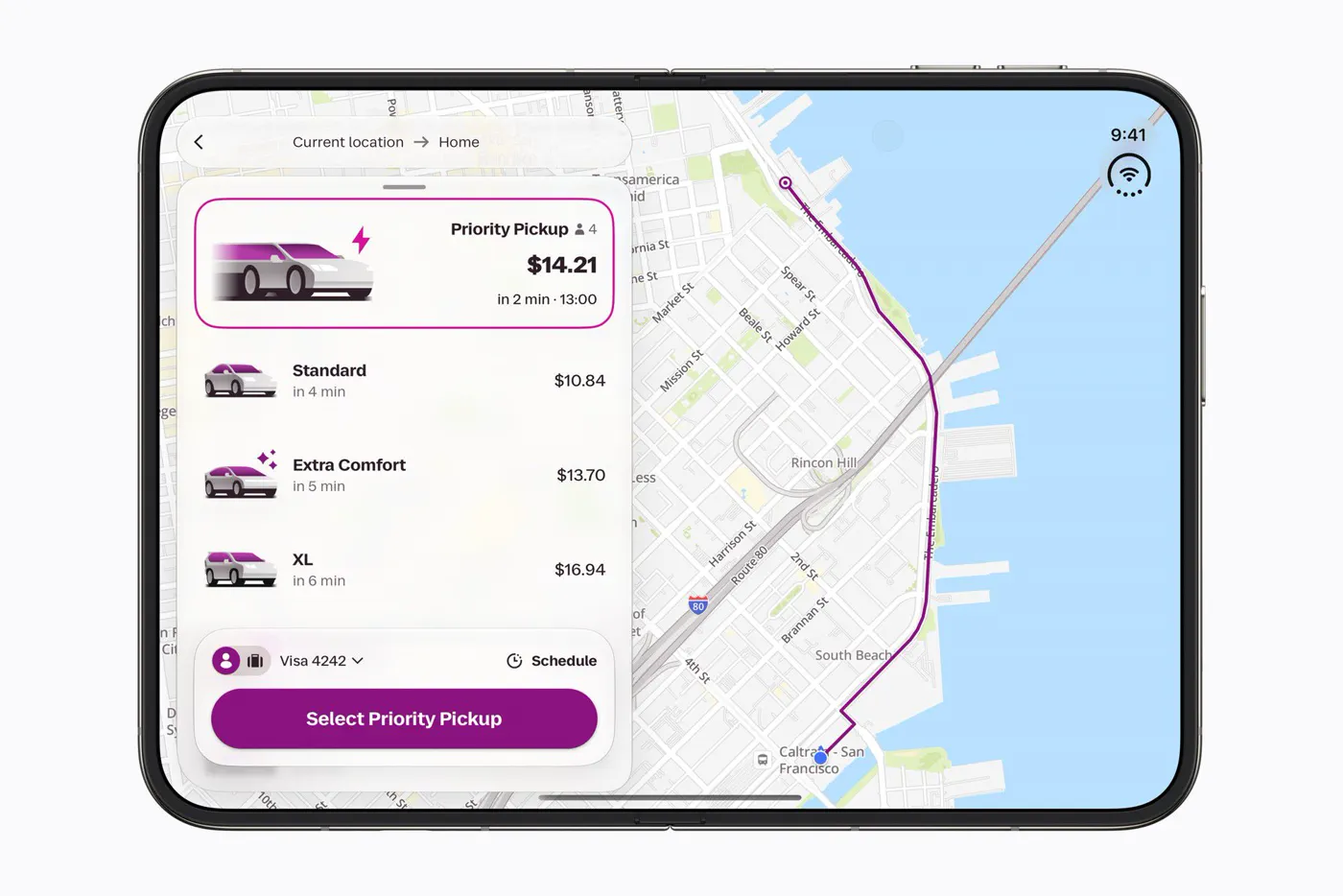
According to Apple, more than 50 high-profile third-party apps have already completed or committed to optimization ahead of the launch window. Featured software includes enterprise staples such as Microsoft Word, Microsoft Outlook, Slack, Salesforce, and Zoom, alongside entertainment and lifestyle platforms like Netflix, Amazon Prime Video, Fantastical, Instagram, Lyft, and Tesla.
Watch: iPhone Duo Review: Putting Apple's Folding Phone Through Hell

Video: Joanna Stern on YouTube
How iOS SDK Versions Shape the App Experience
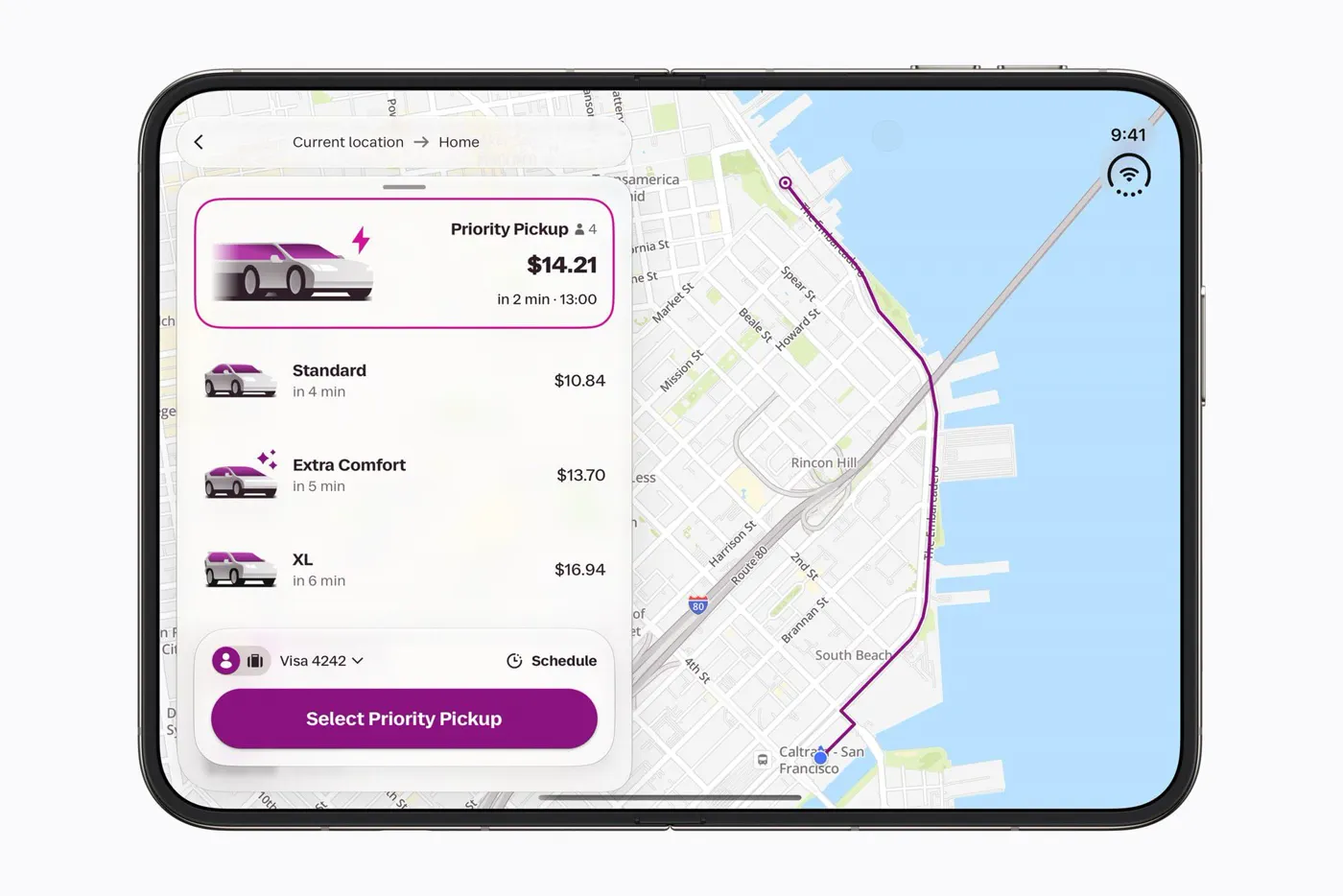 Photo: MacRumors: Mac News and Rumors - Front Page (source)
To understand the practical impact of the badge, users must look under the hood at Apple’s development kits. How an application behaves when the iPhone Duo unfolds depends entirely on the version of the iOS software development kit (SDK) used to compile it. Apple has outlined three distinct functional tiers for running software on the foldable:
- Tier 1: Native Duo Optimization (iOS 27.1 SDK or later) — Apps built with the latest tools qualify for the “Made for iPhone Duo” badge. These apps expand seamlessly across the entire 7.6-inch inner screen. Instead of floating generic top bars, their navigational toolbars shift vertically below the status bar, creating a split ergonomic layout tailored for thumb reach. They also leverage dedicated hinge and arrangement APIs to reposition buttons away from the mechanical fold when bent at an angle.
- Tier 2: Automatic iOS 27 Scaling (iOS 27.0 SDK) — Applications compiled for iOS 27 that have not been customized for the Duo will still adjust their general interface to fill most of the screen in landscape orientation. However, they do not utilize the full canvas edge-to-edge; instead, they automatically pad their borders to avoid interfering with the status bar along the right edge.
- Tier 3: Legacy Compatibility (iOS 26 SDK or earlier) — Unmodified apps built on older operating system baselines will launch in a restricted window. On the unfolded inner display, legacy software runs centered in a conventional phone aspect ratio, flanked by substantial empty black space on both sides. While users can manually pinch to scale or rotate these windows, the experience remains pillarboxed.
| Software Tier | SDK Requirement | Inner Screen Behavior | Toolbar Placement | Fold Awareness |
|---|---|---|---|---|
| Made for iPhone Duo | iOS 27.1 or later | Edge-to-edge full canvas | Vertical below status bar | Yes (Hinge & Reserved APIs) |
| iOS 27 Scaled | iOS 27.0 | Fills screen with edge buffer | Standard top/bottom | Partial (Auto-reflow) |
| Legacy Compatibility | iOS 26 or earlier | Centered pillarbox (empty side space) | Fixed classic layout | None (Letterboxed window) |
iPhone Duo Specs, Pricing, and Hardware Architecture
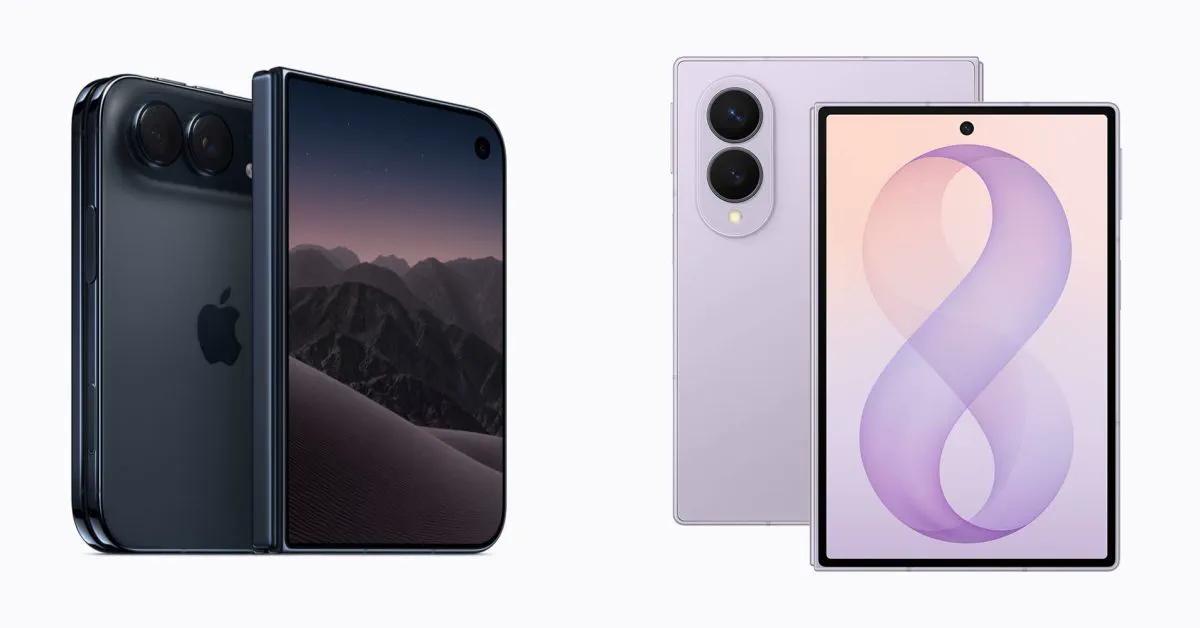
The software adaptations in iOS 27.1 are built to support unprecedented hardware dimensions for the iPhone family. When shut, the iPhone Duo functions like a compact device, featuring a 5.4-inch outer cover display that Apple states retains 90 percent of the usable screen area of an iPhone 18 Pro.
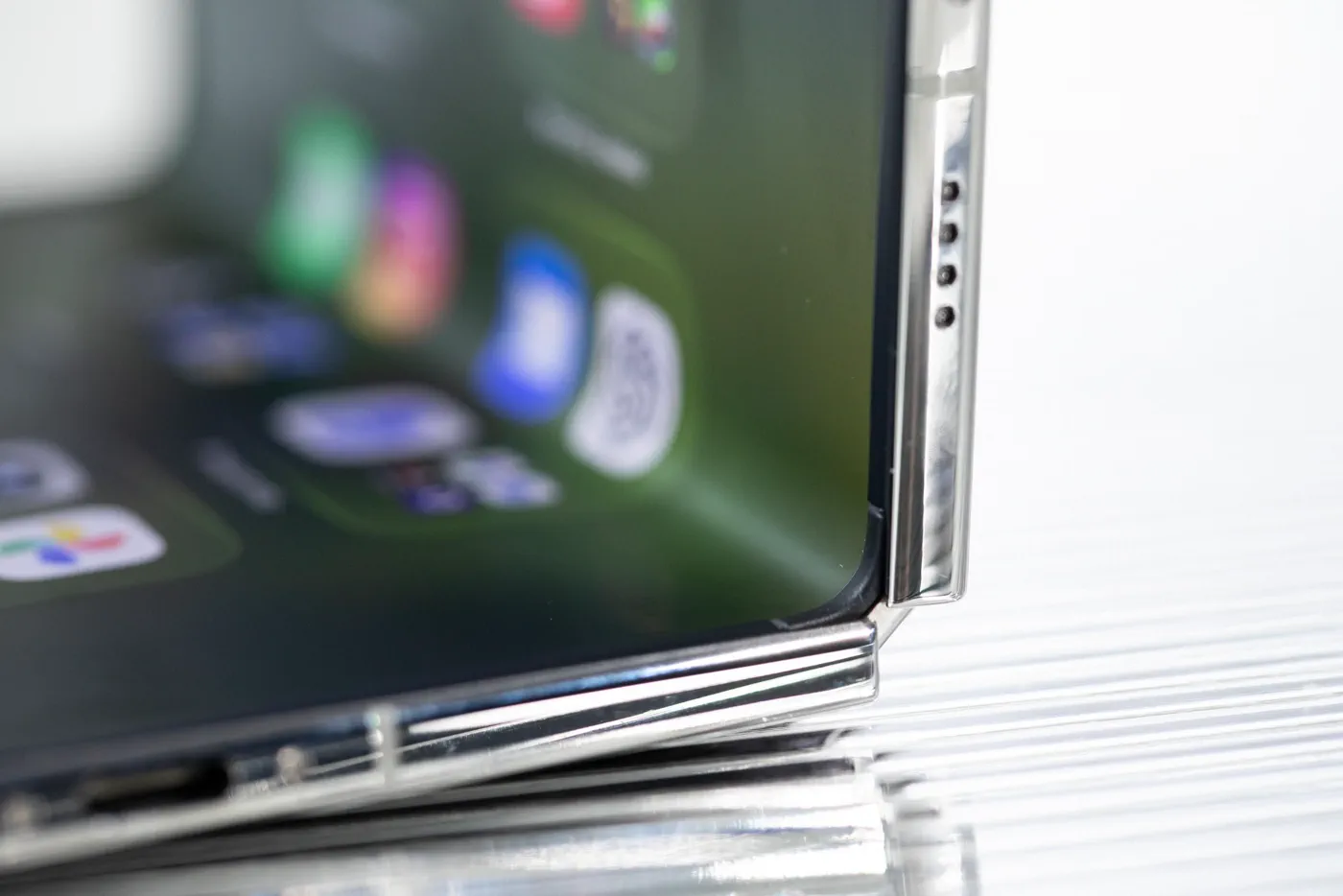
Unfolding the chassis reveals an expansive 7.6-inch inner display treated with a specialized nano-texture finish engineered to disperse reflections and minimize visual glare around the center hinge. The unfolded surface is 50 percent larger than the panel on the iPhone 18 Pro Max, while simultaneously establishing itself as the thinnest chassis Apple has ever engineered.
Crucially, Apple designed both the inner and outer displays to share the exact same aspect ratio. This allows video streams, such as vertical clips in Netflix, to expand smoothly from the exterior screen to the interior workspace without jarring cropping or distortion.
Internally, the Duo is powered by the A20 Pro processor paired with a custom vapor-chamber cooling assembly and a dual-cell battery architecture split across both wings of the titanium frame. Available in two matte colors—star white and night sky—the device carries a starting price tag of $1,999.
The Background: How We Got Here
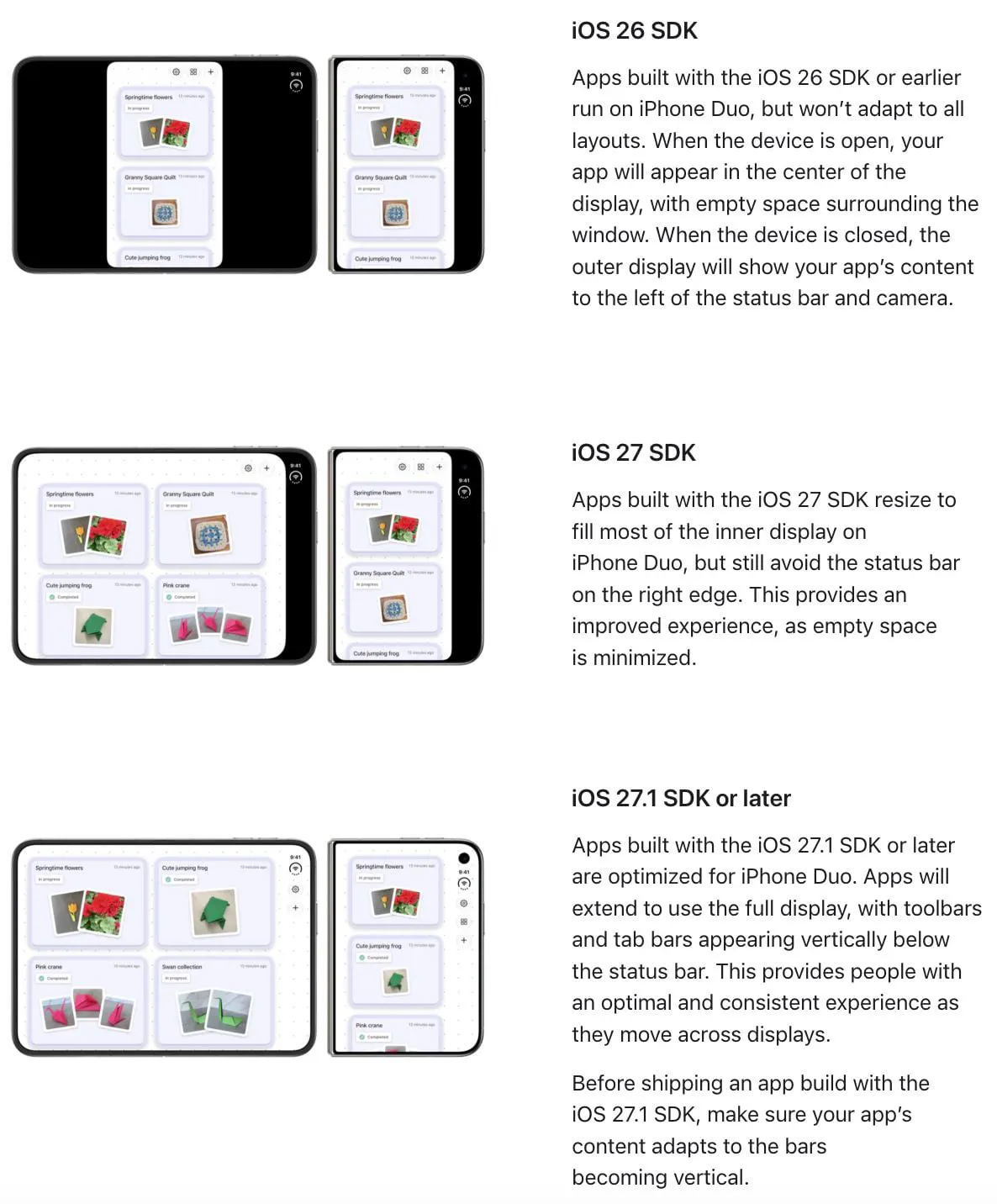 Photo: MacRumors: Mac News and Rumors - Front Page (source)
Foldable smartphones have spent more than half a decade maturing, with competing hardware manufacturers pioneering flexible OLED panels and multi-angle hinges since 2019. Throughout that period, Apple remained noticeably absent from the category, choosing instead to focus its mobile tablet strategy on iPadOS multitasking developments like Stage Manager.
When Apple officially introduced the iPhone Duo in September 2026, software continuity emerged as its core engineering argument. The company had repeatedly observed how Android developers struggled to support fragmented aspect ratios across differing foldable brands. By aligning internal and external screen proportions and embedding adaptive UI frameworks directly into SwiftUI and UIKit, Apple sought to streamline developer adoption before retail distribution began.
Earlier this month, Apple previewed these capabilities through closed developer labs and global workshops, showing how tools in Xcode 27.1 enable developers to preview dynamic window changes across flat, angled, and stand poses. Independent hackathons quickly showcased proof-of-concepts, including virtual Walkman interfaces and audio samplers utilizing the hinge as a physical slider.
How It Compares to the Competition and iPadOS
Apple's App Store badge strategy draws direct lessons from both Android foldables and its own iPad ecosystem. Competitors like Samsung’s Galaxy Z Fold series have historically relied on Android's underlying window management to stretch apps, frequently resulting in awkward tablet stretched layouts or forced letterboxing when developers ignored foldable guidelines.
Apple is enforcing a more rigid hierarchy. By introducing "ArrangementView" and reserved screen regions, developers do not simply stretch an app; they divide it cleanly across the crease. Furthermore, unlike iPadOS, which treats larger screens as freeform windowed desktop alternatives, the iPhone Duo retains iPhone-style vertical orientation with streamlined Split View multitasking.
On the Duo, streaming services like Netflix enable users to browse short-form preview clips on the outer cover screen, snap the phone open to immediately expand into 4K playback on the nano-texture panel, and angle the base to set the device upright without requiring a third-party kickstand.
Industry Reactions and Developer Sentiment
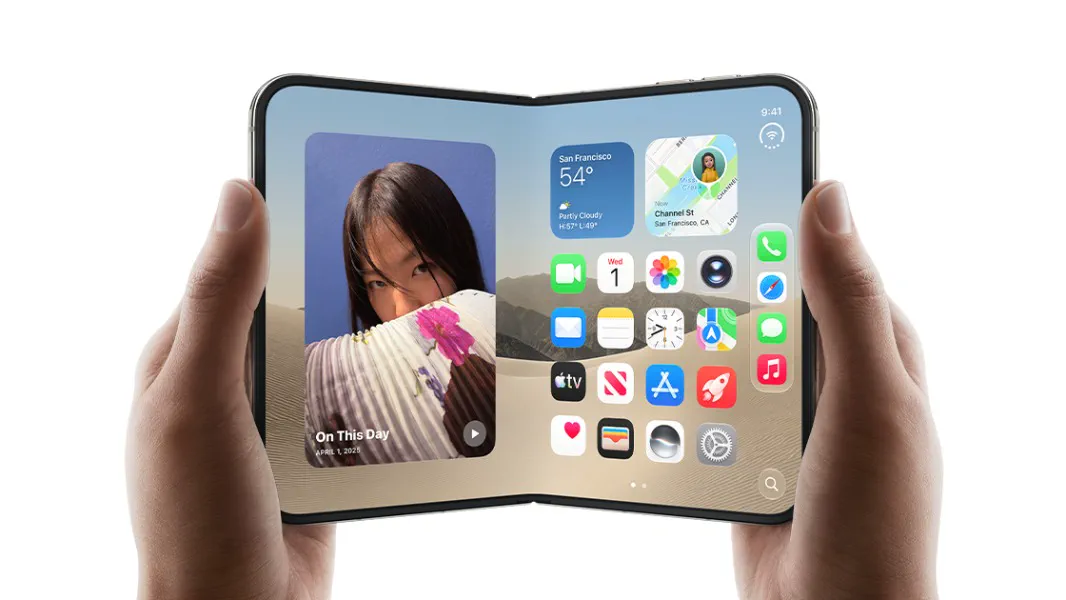 Photo: thurrott.com (source)
Inside Apple, executive leadership framed developer enthusiasm as exceptionally strong. “The response to iPhone Duo from our developer community has been incredible, and we're inspired by how quickly they've embraced its larger display and new ways to interact,” said Susan Prescott, Apple's vice president of Worldwide Developer Relations. Prescott added that developers are already "reimagining what their apps can do" across multitasking, console-caliber gaming, and media playback.
Despite official optimism, early critical reactions from tech reviewers have highlighted software compatibility as the foldable’s primary short-term vulnerability. Multiple tech outlets have pointed out that while flagship partners like Microsoft, Zoom, and Netflix were ready on day one, the broader App Store catalog encompasses millions of apps. For early buyers paying nearly $2,000, encountering centered, black-bordered legacy apps on an expansive OLED panel can detract from the hardware's premium feel.
Community forums have echoed similar sentiments, noting that until top independent apps and social networks update their frameworks, the early user experience will be divided into two distinct classes of software.
What It Means for Buyers
For consumers planning to purchase the iPhone Duo at launch, software readiness should dictate expectations:
- Check the badge first: When setting up your device, look for the "Made for iPhone Duo" label on product pages to confirm whether your essential day-to-day tools will support full-screen layouts.
- Expect mixed layouts early on: If an everyday utility has not been rebuilt for iOS 27.1, expect it to run in a centered window with blank pillarboxes on the inner display until the developer pushes an update.
- Supply remains tight: Apple retail staff have reportedly been instructed to discourage walk-in purchases without an existing reservation on October 23, meaning in-store inventory is heavily constrained to pre-orders.
What Happens Next
While Apple is launching the badge program with an initial roster of several dozen major applications, the company is preparing to enforce broader platform compliance.
Apple has notified developers that starting in April 2027, every new app and software update submitted to the App Store must include dedicated iPhone Duo screenshots and metadata. This mandatory submission requirement mirrors the policies Apple enacted during previous hardware transitions, such as the shift to the iPhone X display notch and the introduction of iPad Pro resolutions.
Over the coming months, continuous updates to Xcode and App Store Connect will automate preview assets, ensuring that as more developers adopt the iOS 27.1 SDK, the "Made for iPhone Duo" badge shifts from an exclusive distinction to a universal App Store standard.
FAQ
What does the 'Made for iPhone Duo' badge mean in the App Store? The badge indicates that a developer has compiled their app with the iOS 27.1 SDK or later, fully optimizing it to fill the Duo's 7.6-inch inner screen and support its unique folding postures.
Can I still run older iPhone apps that haven't been updated? Yes, older apps built with the iOS 26 SDK or earlier will run, but they will appear centered on the inner display with empty pillarbox borders on either side.
How does the iPhone Duo handle toolbars and controls? Fully optimized apps position their navigation toolbar vertically below the status bar, keeping interactive elements within comfortable thumb reach on the wider display.
When will all apps be required to support the iPhone Duo? Beginning in April 2027, Apple will require all new apps and app updates submitted through App Store Connect to provide dedicated screenshots and assets for the iPhone Duo.
How much does the iPhone Duo cost and when is it available? The iPhone Duo starts at $1,999 and officially releases in select markets on Friday, October 23, 2026, following pre-orders that began on October 16.