When producers at National Public Radio noticed a stream of cryptic, disconnected remarks filling the comment section of their interview podcast, their initial dread was that a wave of spam bots had arrived. As documented in a recent episode of This American Life, the real explanation was far more human—and distinctly teenage: middle school students had repurposed the comment section beneath an episode of NPR's Wild Card into an impromptu, unmonitored group chat to bypass parental restrictions and school internet firewalls.
What started as a bizarre digital mystery inside public radio newsrooms highlights the perpetual cat-and-mouse game between restrictive tech filters and kids determined to talk to one another. It also serves as a sharp reminder that whenever a modern technology platform adds a comment field, users will inevitably find a way to turn it into an unauthorized social network.
The Strange Case of the 'Wild Card' Comments
The story began late last year on the Spotify page for Wild Card with Rachel Martin, an NPR interview show where notable guests draw cards from a deck to discuss existential questions about life, grief, and purpose. Senior producer Dave Blanchard was checking listener reactions under an episode featuring author Elizabeth Gilbert when he noticed an influx of peculiar, rapid-fire messages that bore no resemblance to typical public radio feedback.
Instead of discussions regarding literature or philosophy, the comments read like fragments of an ongoing conversation between teenagers:
- "Aw ok mh"
- "Gilgamesh quit, and I'm crying"
- "Last Friday, I broke up with my gf"
- "Your cats are so cute"
At first glance, the clipped phrases and disjointed cadence looked like nonsense. Blanchard initially assumed the podcast was being targeted by an unfamiliar variant of automated spam bots. He deleted several of the offending messages, only to watch in astonishment as a new post popped up almost immediately: "It deleted my comment". Baffled, Blanchard took screenshots of the thread and shared them in an internal NPR Slack channel, wondering how to stop the spam. A manager suggested flagging the activity directly to Spotify's moderation team.
How a Gen Z Colleague Cracked the Mystery
 Photo: The Verge (source)
Before the incident was written off as bot interference, Hannah Chinn, an audio producer at NPR who is roughly a decade younger than Blanchard, looked at the screenshots and instantly identified what was actually happening.
Chinn pointed out that the accounts did not exhibit the telltale signs of automation. Instead, they bore the unmistakable hallmarks of middle schoolers hanging out online. The user handles featured stylized Unicode fonts generated through third-party aesthetic font converters—such as names nestled between star symbols and sparkle emojis. The profile avatars showcased niche animated characters, and the conversational snippets referenced gaming culture, friend-group gossip, and casual relationship drama.
Far from an algorithmic invasion, the thread was an ad-hoc private hangout. Young teens barred from standard social media apps had located an out-of-the-way digital nook where they could exchange notes without their parents or teachers watching.
Ira Glass Confronts the Brutal Public Radio Truth
In episode 897 of This American Life, titled "Intergenerational Space Travel," host Ira Glass dove into the incident as a prime example of the generational chasm created by evolving technology. Glass tracked down and interviewed one of the students involved to find out why, out of every corner of the internet, they chose public radio as their clubhouse.
The young participant delivered a brutally honest assessment that only a middle schooler could muster: "Um, I think we just, like, looked for podcasts that didn't have many comments".
Glass, who has hosted This American Life for roughly 30 years, could not hide his amused indignation: "I tell you, buddy, I do a public radio show, and that hurts a little to hear".
The kid's polite, immediate reply: "Sorry".
As it turned out, this was not an isolated occurrence within public radio. NPR employees soon discovered that middle school students had quietly staged similar group chats under episodes of another program, TED Radio Hour. The children were methodically selecting low-volume podcast feeds where their sprawling conversation wouldn't be drowned out by other listeners—or noticed by grown-ups.
The Evolution of Teen Workarounds Around Tech Bans
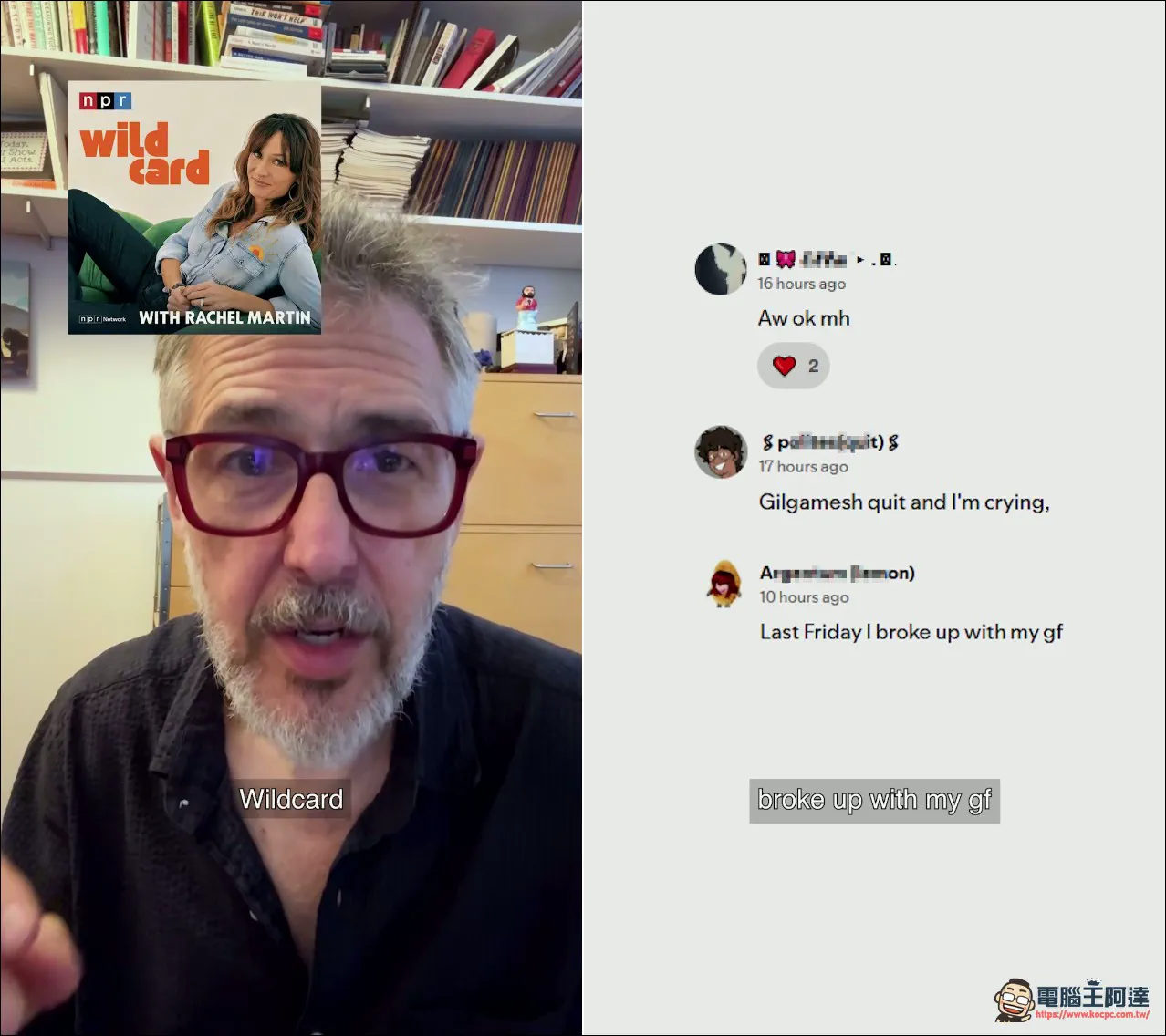 Photo: kocpc.com.tw (source)
The NPR incident is the latest chapter in a long history of student ingenuity. For as long as schools and parents have deployed web filters, screen-time curfews, and app blacklists, kids have transformed mundane utility platforms into covert communication networks.
| Platform / Tool | Intended Purpose | How Students Repurposed It | Why It Bypassed Controls |
|---|---|---|---|
| Spotify Comments | Feedback on podcast episodes | Group messaging under obscure shows | Streaming audio is rarely blocked on school Wi-Fi or parental screen-time apps. |
| Google Docs | Collaborative school documents | Real-time chat via live typing or document comments | Required for classwork; schools cannot easily block Docs without disrupting assignments. |
| Apple Notes / Shared Notes | Productivity and personal note-taking | Live texting via shared iCloud notes | Operates as a native default app on iPhones; often excluded from parental communication limits. |
| Roblox / Gaming Chats | Gameplay and virtual world mechanics | Covert social hub during homework hours | Filtered differently than mainstream social networks; accessible on low-end tablets and Chromebooks. |
| Kahoot / Quizlet | Classroom quizzes and flashcard study | Leaving coded messages in quiz usernames or public card decks | Categorized as strictly educational software, bypassing typical firewall filters. |
Why Spotify Became the Ideal Digital Hideaway
To understand why NPR's comment section suddenly became an active group chat, one must look at Spotify's recent product strategy. In July 2024, Spotify rolled out a major platform update that brought public comments to podcasts worldwide, aiming to challenge YouTube's dominance in interactive audio and video programming. Previously, Spotify only offered limited Q&A and polling tools.
Under Spotify's implementation, podcast creators have the option to leave comments open, moderate them manually, or enable automatic publishing for comments that meet general community standards. Because many low-traffic shows leave comments turned on without active minute-by-minute moderation, comment boards can remain static for weeks.
For teens navigating aggressive content restrictions, Spotify provides two significant tactical advantages:
- Category Whitelisting: Parental control tools like Apple's Screen Time, Google Family Link, and third-party monitoring suites like Bark or Qustodio categorize Spotify under "Music & Audio" rather than "Social Networking."
- School Network Access: Many middle and high schools allow students to stream music during study hall or independent work. As a result, network administrators block Instagram, TikTok, Snapchat, and Discord while leaving Spotify open.
Because Spotify is treated by adults as a passive listening tool rather than a messaging client, it bypassed both algorithmic filters and parental suspicion.
The Search for a Digital 'Third Space'
 Photo: kocpc.com.tw (source)
Beneath the humor of Ira Glass discovering public radio's accidental tween audience lies a broader sociological reality: the vanishing of the adolescent "third space". Decades ago, teenagers gathered unsupervised at suburban shopping malls, roller rinks, or neighborhood parks. In the modern era, physical gathering spots have declined, while physical curfews and hyper-structured activities have increased.
When adolescents migrated online, they initially built social hubs on social networks. But over the last several years, heightened scrutiny surrounding screen addiction, mental health, and youth safety has prompted schools to implement strict phone bans in classrooms, while parents enforce tighter device lockdowns. In several states and international jurisdictions, lawmakers have introduced or enacted age-verification statutes requiring parental consent for users under 16.
Blocked from physical spaces and shut out of major platforms, younger adolescents—particularly Gen Alpha and early-stage Gen Z—search for any digital room with an unlocked back door. A sleepy public radio comment section provided exactly that: a place to exist without an adult hovering over their shoulder.
Practical Advice for Parents, Schools, and Creators
This incident illustrates several lessons for the digital ecosystem:
- For Podcast Creators: If you host an audio or video podcast on Spotify, check your comment settings inside the Spotify for Podcasters dashboard. Creators can toggle comments on or off globally or restrict them on an episode-by-episode basis. You can also choose between manual comment approval or automated filters.
- For Parents: Recognizing that text fields exist outside of dedicated messaging apps is key. Banning social media does not extinguish a child's desire for social connection. Instead of relying exclusively on rigid app-blocking tools, parents should establish open communication channels about digital balance and safety.
- For Educators: Network administrators should recognize that modern apps frequently blur functional categories. Music services, productivity suites, and gaming platforms all now bundle social and commenting layers that bypass basic DNS-level website filters.
FAQ
Why were kids using an NPR podcast comment section to chat? Middle school students who were blocked by parents or school network filters from using traditional social media found that Spotify was rarely restricted. They sought out low-traffic podcast episodes where their messages would not be buried or quickly discovered by adult listeners.
Which podcasts were affected? The comments first baffled producers on Spotify episodes of NPR's Wild Card with Rachel Martin, notably an episode with Elizabeth Gilbert. NPR staffers later discovered that students had previously set up similar threads under episodes of TED Radio Hour.
How did NPR realize the commenters were middle schoolers instead of bots? Hannah Chinn, a Gen Z audio producer at NPR, examined screenshots of the posts shared by producer Dave Blanchard. She identified teen-specific internet culture cues, including decorative Unicode fonts generated online, cartoon avatars, and playground relationship drama that automated spam bots do not produce.
What did the student say when Ira Glass questioned them? When This American Life host Ira Glass asked why they chose an NPR podcast, the student plainly admitted they simply hunted for shows that didn't have many comments. After Glass joked that the blunt answer wounded his public radio pride, the kid politely apologized.
Can podcasters turn off comments on Spotify? Yes. Through the Spotify for Podcasters dashboard, creators have granular control over whether comments are enabled across their entire show, allowed only on specific episodes, or turned off entirely. Creators can also choose whether comments publish automatically or require manual review.