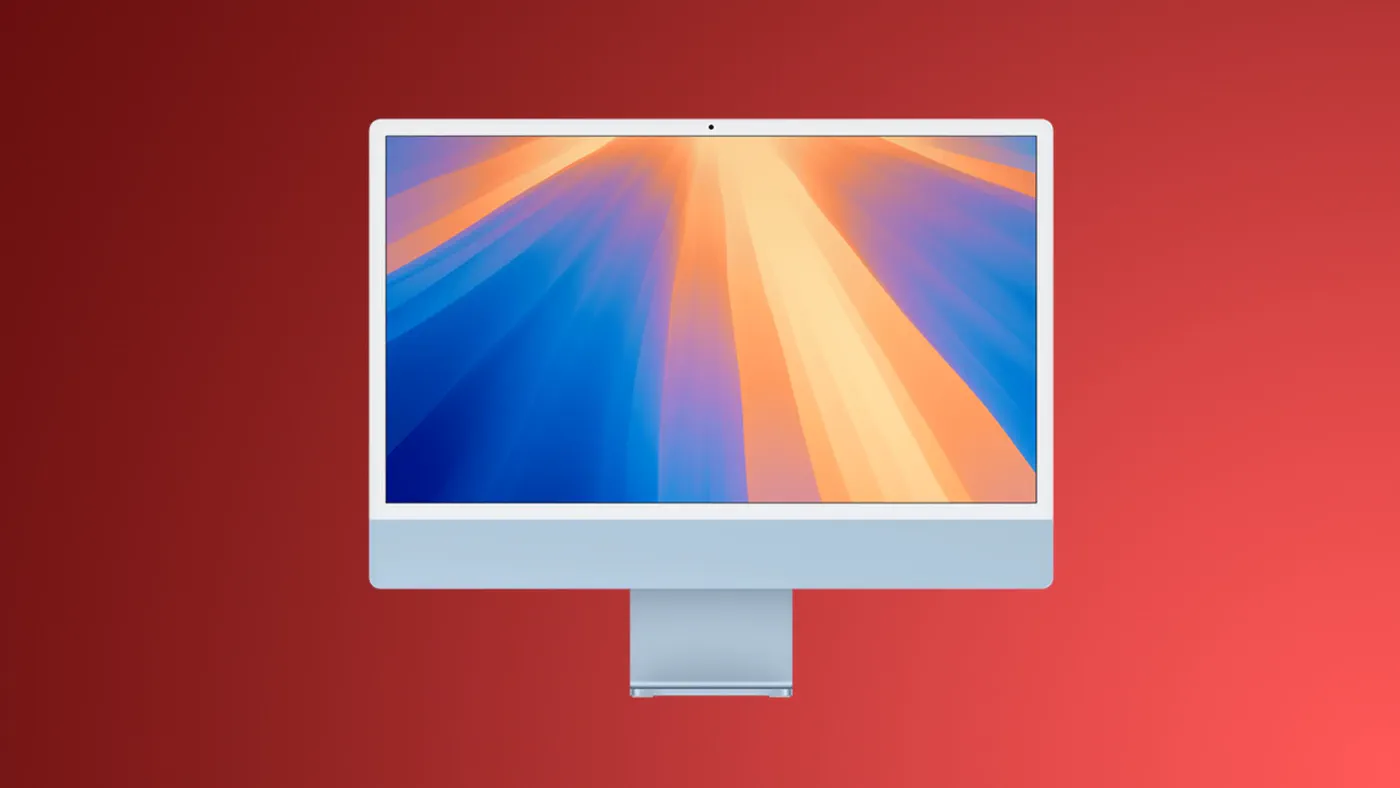
Apple is actively testing OLED displays for future MacBook Air and iMac computers, but mainstream buyers should not expect the upgrade anytime soon, according to Bloomberg reporter Mark Gurman. While the company continues to expand self-lit panel technology across its premium hardware, the next refreshes for both the consumer laptop and the desktop all-in-one will stick firmly with traditional LCD screens.
The report lands right as Apple readies its "Pro and Tell" event in Los Angeles, where flagship machines are taking center stage. The contrast highlights Apple's segmented rollout strategy: cutting-edge visual tech arrives first on pro-tier portables at premium prices, while consumer workhorses retain mature, cost-effective LCD screens for years to come.
What the Leak Reveals: OLED in the Lab, LCD on the Shelf
In his Power On newsletter, Mark Gurman revealed that Apple’s engineering teams are working with internal prototypes of the MacBook Air and iMac equipped with OLED displays. However, Gurman emphasized that the presence of lab prototypes does not signal an imminent commercial debut.
Testing hardware configurations is a standard phase of Apple's multi-year hardware incubation cycle. Prototypes often spend years circulating through Cupertino's hardware reliability and panel evaluation labs before reaching mass manufacturing. For both the MacBook Air and the iMac, internal testing centers on evaluating brightness levels, thermal dissipation, panel lifespan, and burn-in prevention on large-format organic light-emitting diode panels.
Despite this internal progress, Gurman made it clear that consumers looking forward to near-term updates will have to settle for current-generation Liquid Retina and Retina LCD panels.
The Immediate Roadmap: M6 iMac and Early 2027 MacBook Air
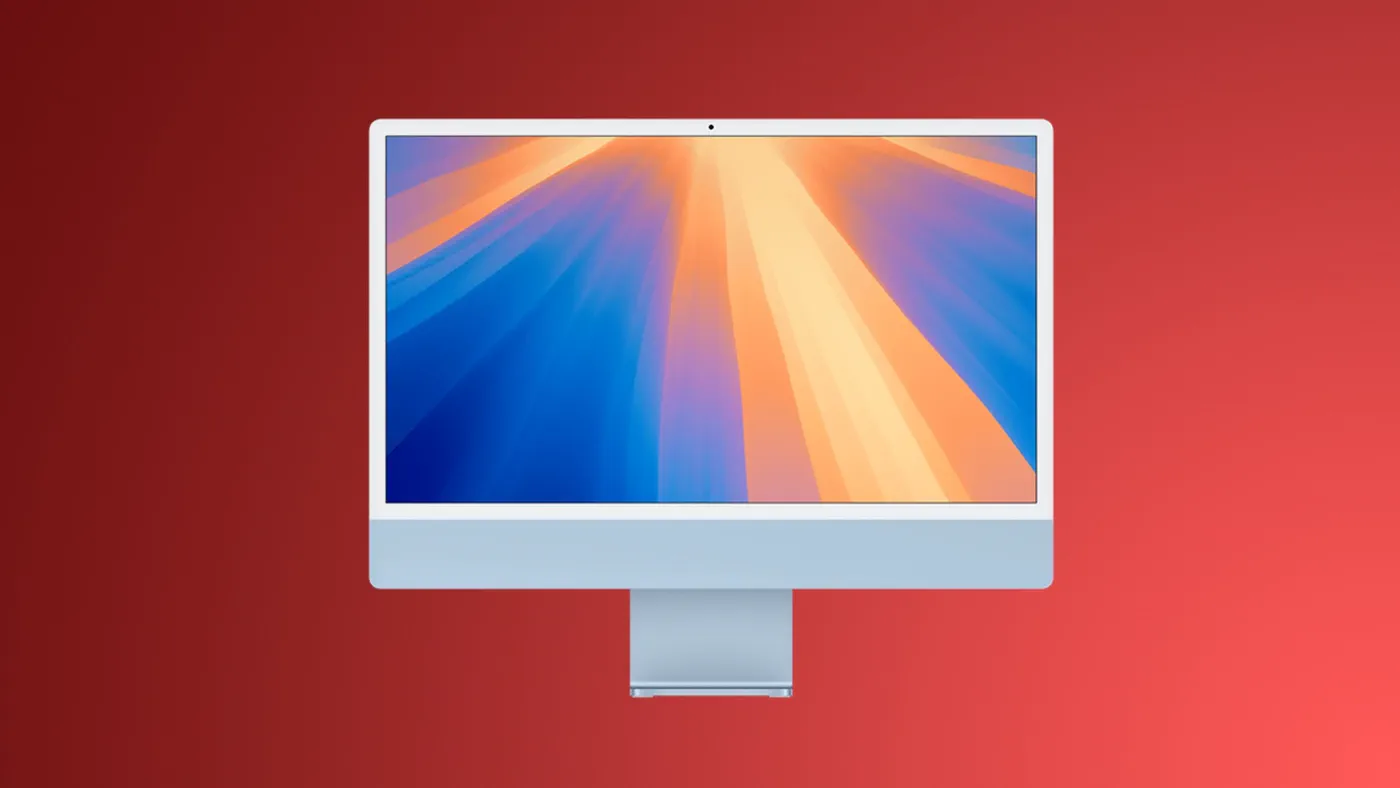 Photo: MacRumors: Mac News and Rumors - Front Page (source)
Rather than introducing comprehensive visual redesigns, Apple's immediate update cadence for both product lines is focused almost entirely on Apple Silicon architecture upgrades.
For the desktop line, Apple is preparing a refreshed 24-inch iMac. The headline change is the transition from the current M4 generation to Apple's newer M6 processor, which initially debuted in the Mac mini. The new processor is built on an advanced 2-nanometer process featuring a 12-core CPU and 12-core GPU. Aside from silicon enhancements and potential new exterior color options, the industrial design and the 24-inch 4.5K Retina LCD remain unchanged.
The MacBook Air follows a similar conservative path. Apple last updated the MacBook Air lineup in March with the M5 processor, a 512GB base storage floor, and the N1 wireless module supporting Wi-Fi 7 and Bluetooth 6. Gurman anticipates the next MacBook Air refresh to arrive in early 2027. That revision will integrate an M6 chip while carrying forward the exact same fanless chassis and Liquid Retina LCD display.
Display Breakdown: Comparing the Modern Mac Ecosystem
Apple's display roadmap clearly divides consumer and pro products by tier, brightness, and panel chemistry.
| Model | Current Display Tech | Target Display Tech | Next Refreshed Chip | Expected Next Refreshed Window | OLED Arrival Horizon |
|---|---|---|---|---|---|
| MacBook Air (13" & 15") | Liquid Retina IPS LCD | Tandem / Single-Stack OLED | Apple M6 | Early 2027 (LCD) | 2028 – 2029 |
| iMac (24-inch) | 4.5K Retina IPS LCD | Large-Scale OLED | Apple M6 | Fall 2026 (LCD) | 2027 – 2029 |
| MacBook Pro (Base 14") | Liquid Retina XDR (mini-LED) / LCD | OLED | Apple M6 | Late 2026 / 2027 | 2027+ |
| MacBook Pro (14" & 16" High-End) | Liquid Retina XDR (mini-LED) | Touch OLED w/ Dynamic Island | Apple M5 Pro / M5 Max | Fall 2026 | Immediate (Fall 2026) |
Behind the Delay: Why Mainstream Macs Are Waiting
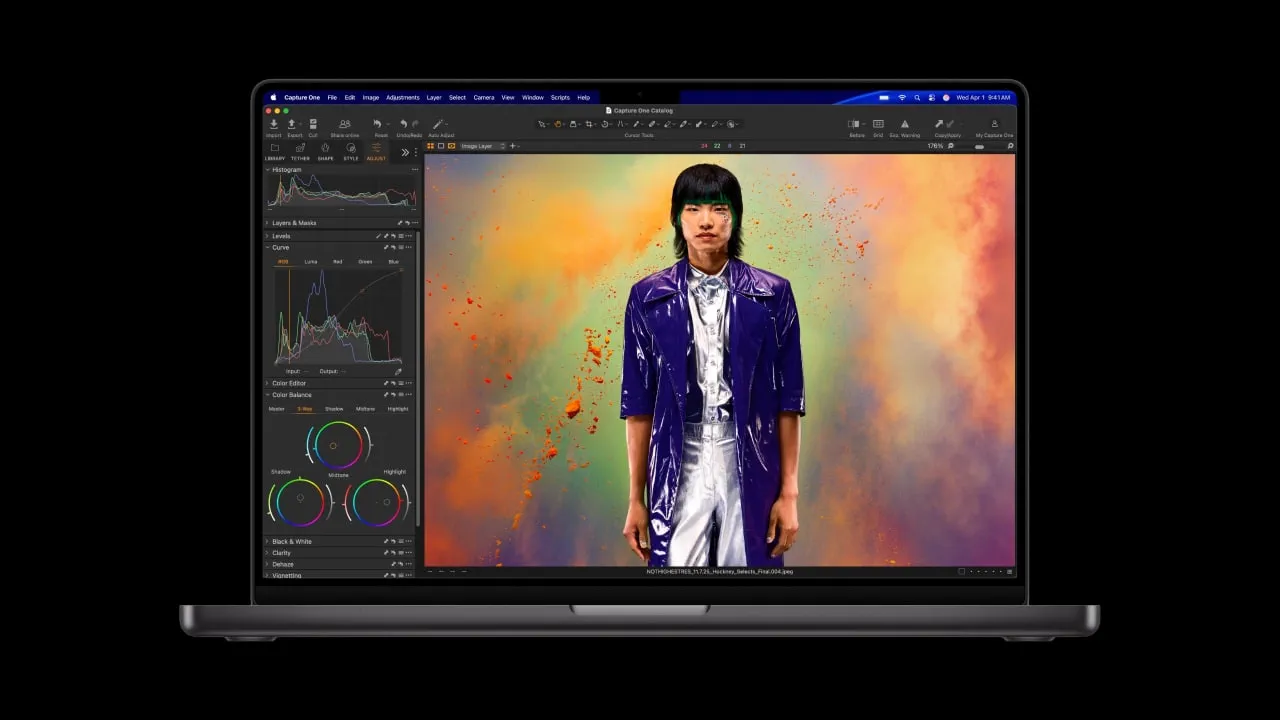 Photo: iclarified.com (source)
The delay in transitioning the MacBook Air and iMac to OLED comes down to two major hurdles: production yields and cost structures.
Apple pioneered tandem OLED technology in thin form factors with the iPad Pro, utilizing dual-stack emissive layers to achieve high sustained brightness and long panel longevity. However, producing tandem OLED sheets at notebook sizes—specifically the 13.6-inch and 15.3-inch cuts required for the MacBook Air—remains exceptionally expensive. Industry analyst Ming-Chi Kuo previously noted that supply-chain bottlenecks and component pricing have pushed mass-market OLED MacBooks back toward 2029.
For the MacBook Air, which sells in vast volumes at starting prices of $999 to $1,099, absorbing the cost of an OLED panel without sharply raising the retail price is nearly impossible.
The iMac faces an even steeper challenge: scale. Sourcing a 24-inch (or larger) high-density 4.5K OLED panel with consistent color accuracy and resistance to burn-in from static desktop menu bars requires specialized Gen 8.6 manufacturing lines that display vendors are only now ramping up. Desktop displays operate under high brightness for extended hours displaying static UI elements, making thermal and burn-in management far more complex than on smartphones.
The Competitive Landscape: PC Makers Move First
While Apple moves deliberately, Windows PC manufacturers have pushed OLED into consumer tiers for several years. Brands like Asus, Lenovo, Samsung, and Dell routinely sell consumer notebooks featuring 2.8K and 3K 120Hz OLED panels at prices well under $1,000.
However, these Windows machines frequently employ single-stack, consumer-grade OLED panels that compromise on full-screen sustained brightness and battery efficiency. Apple's strict requirements—which demand deep P3 wide color gamut coverage, true 500-to-1,000-nit continuous brightness, high pixel density, and minimal panel degradation over a five-to-seven-year operational window—have kept the company from adopting cheaper off-the-shelf single-stack laptop panels.
By holding off until Gen 8.6 IT-oriented OLED fabrication facilities reach mature yields, Apple aims to avoid the battery drain and degradation flaws seen on first-generation PC OLED implementations.
Buying Advice: Wait or Upgrade Now?
 Photo: iclarified.com (source)
For buyers planning their next computer purchase, Gurman’s latest timeline provides clear guidance:
- Don’t delay a purchase for an OLED MacBook Air: With mainstream OLED laptops not expected until between 2028 and 2029, waiting for an OLED panel is impractical. If you need a lightweight daily machine, the current M5 MacBook Air or the forthcoming early 2027 M6 refresh will deliver excellent battery life and performance.
- iMac buyers can shop with confidence: If you need a desktop all-in-one, the M6 24-inch iMac will deliver peak Apple Silicon efficiency. The standard 4.5K Retina LCD panel remains one of the sharpest, most color-accurate monitors in the sub-$1,500 desktop market.
- Need OLED right now? Look to the Pro: If deep inky blacks, HDR contrast, and cutting-edge display technology are non-negotiable, the high-end MacBook Pro lineup will be the exclusive home of OLED in the macOS ecosystem for the foreseeable future. However, expect to pay a substantial premium well north of current $2,499 entry tags.
Looking Ahead: The Multi-Year Display Transition
Apple's ultimate goal remains a complete ecosystem-wide shift toward self-lit displays. Following the Apple Watch, iPhone, and iPad Pro, high-end MacBook Pro notebooks are establishing the foundation for macOS software adaptations. Operating system modifications, such as touch accommodations and UI elements tailored around panel cutouts, will gradually trickle down through future iterations of macOS.
Until manufacturing costs drop and Gen 8.6 supply lines hit peak capacity, Apple's high-volume consumer staples will continue to rely on traditional LCD panels. Testing will continue behind closed doors in Cupertino, but for everyday Mac users, the LCD era is set to continue for several years to come.
FAQ
Is Apple releasing an OLED MacBook Air anytime soon? No. While Apple is actively testing OLED prototypes internally, supply chain forecasts and analyst reports indicate that a commercial OLED MacBook Air is not expected to launch until 2028 or 2029.
What upgrades are coming to the next MacBook Air? The next MacBook Air, expected in early 2027, will focus primarily on an internal processor upgrade to the Apple M6 chip while keeping the existing chassis and Liquid Retina LCD display.
Will the upcoming iMac have an OLED display? No. The refreshed 24-inch iMac arriving in late 2026 will retain the standard 4.5K Retina LCD screen, receiving upgrades centered around Apple's M6 processor and new color finishes.
Which Mac models are getting OLED first? Apple is reserving OLED panels for its high-end 14-inch and 16-inch MacBook Pro models, combining OLED displays with touchscreen capabilities at a significantly higher price bracket.
Why is Apple taking so long to bring OLED to the MacBook Air? Tandem and IT-grade OLED panels of that size remain very expensive to produce at high volumes. Adding them today would drive the MacBook Air's retail price far above its accessible entry-level target.