Apple is overhauling core macOS security protocols to protect user data from autonomous desktop AI agents while simultaneously managing a costly hardware replacement campaign for defective iPhone 18 Pro Max models. The twin developments, highlighted in the latest industry reports and Apple developer bulletins, arrive alongside fresh leaks detailing a significantly lighter redesign for the upcoming OLED MacBook Pro. From mobile hardware failures to fundamental desktop privacy shifts, Apple finds itself navigating both legacy cellular component headaches and the frontier of autonomous software threats.
Tightening macOS Full Disk Access Against Rogue AI Agents
In a developer advisory published to start October, Apple warned that third-party applications—particularly emerging autonomous artificial intelligence tools—are exploiting the operating system's highest-privilege file system permissions. Apple stated that it will introduce stringent new safeguards around "Full Disk Access" (FDA) to curb aggressive data scanning.
Full Disk Access is a protected privilege introduced in macOS Mojave (version 10.14) that bypasses system sandboxing, granting an authorized utility read-and-write clearance across the host machine. Under this level of access, software can inspect:
- Sensitive email databases within Mail
- Stored chats and media attachments in Messages
- Safari browsing histories and website caches
- Local Time Machine backups and system configuration trees
- Private documents across user directories and administrative settings
While the privilege was originally designed to allow legitimate backup software and low-level enterprise security utilities to function, the emergence of desktop AI agents has radically altered how the permission is abused. Applications such as Meta Muse and OpenAI's Dots increasingly request Full Disk Access under the guise of indexing personal contexts to complete autonomous tasks. Apple cautioned that granting such broad clearance exposes not only the owner's files but also compromises the privacy of external contacts whose messages and emails are stored on the machine.
The Technical Shift: Requiring 'Explicit User Action'
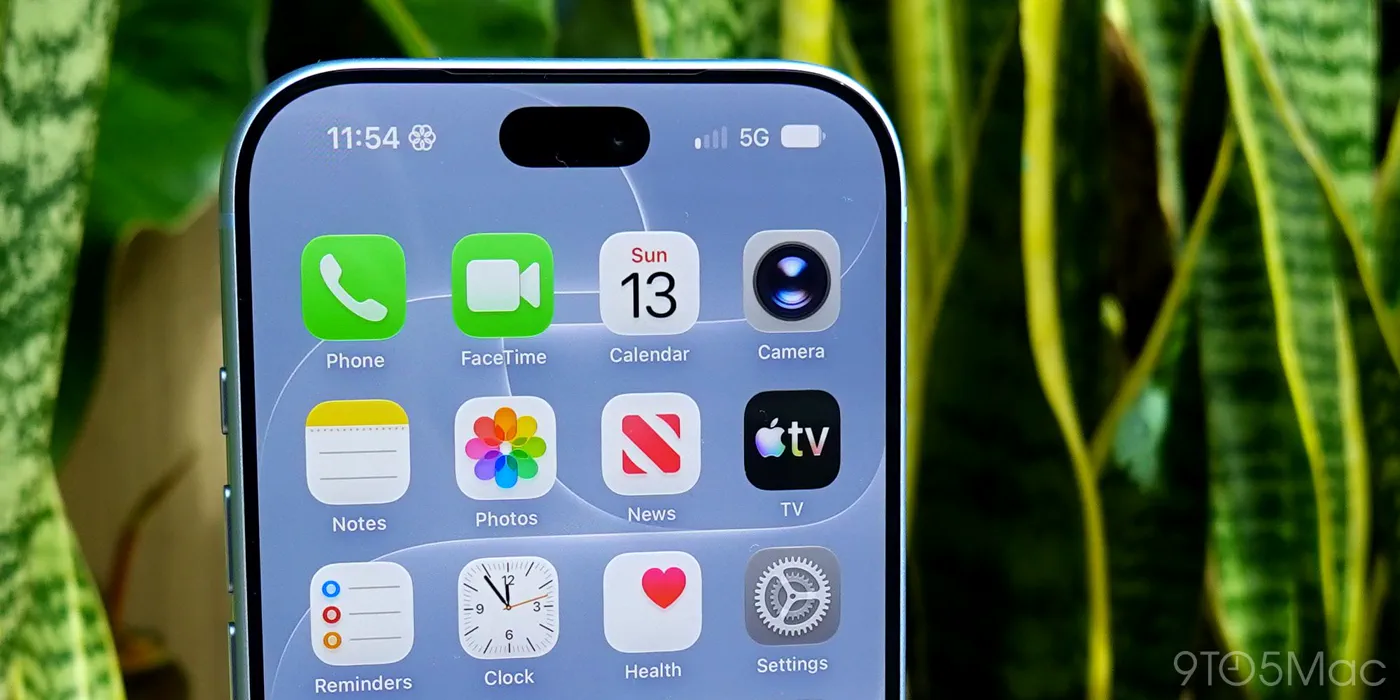 Photo: danstutorials.com (source)
Historically, users could authorize Full Disk Access by toggling a single slider switch inside System Settings under Privacy & Security. Apple argues that this trivial friction point leaves consumers unaware that an autonomous AI agent is gaining unrestricted system visibility.
"Going forward, we will introduce additional controls to ensure that users who genuinely wish to grant an app this extraordinary level of access can only do so with very explicit user action," Apple stated in its developer announcement. "As AI agents become increasingly capable and autonomous, the risks associated with this level of access will grow substantially."
While Apple has not yet specified the exact software mechanics or whether the change will deploy in upcoming builds of macOS 27, cybersecurity researchers expect multi-tier confirmation dialogs, periodic re-authorization prompts, and scoped permissions that confine AI agents to designated folders rather than granting root-level file access.
iPhone 18 Pro Max Hit by Disabling AT&T Cellular Bug
While Apple plots software defenses on the Mac, it faces an immediate hardware crisis on the mobile front. Apple confirmed that an issue impacting a "small number" of iPhone 18 Pro Max units on the AT&T network causes devices to lose cellular connectivity permanently. Affected users find their handsets abruptly stuck showing "SOS" in the status bar, unable to place telephone calls, send SMS text messages, or connect to cellular data networks.
Apple and AT&T issued emergency mitigation measures: the iOS 27.0.1 software update alongside an updated carrier settings payload. However, Apple conceded to 9to5Mac that while the software and carrier updates successfully prevent healthy phones from bricking, they cannot reverse the failure on units that have already lost network registration. Devices in the failed SOS state require a physical hardware replacement.
| Issue Attribute | iPhone 18 Pro Max (AT&T) | iPhone 18 Pro (All Carriers) |
|---|---|---|
| Cellular Modem Vendor | Qualcomm | Apple In-House C2 |
| Reported Failure State | Permanent "SOS" Status | None Reported |
| Preventative Fix | iOS 27.0.1 + Carrier Update | Not Applicable |
| Remedy for Stranded Units | Free Hardware Replacement | None Needed |
The Silicon Divergence: Qualcomm vs. Apple C2
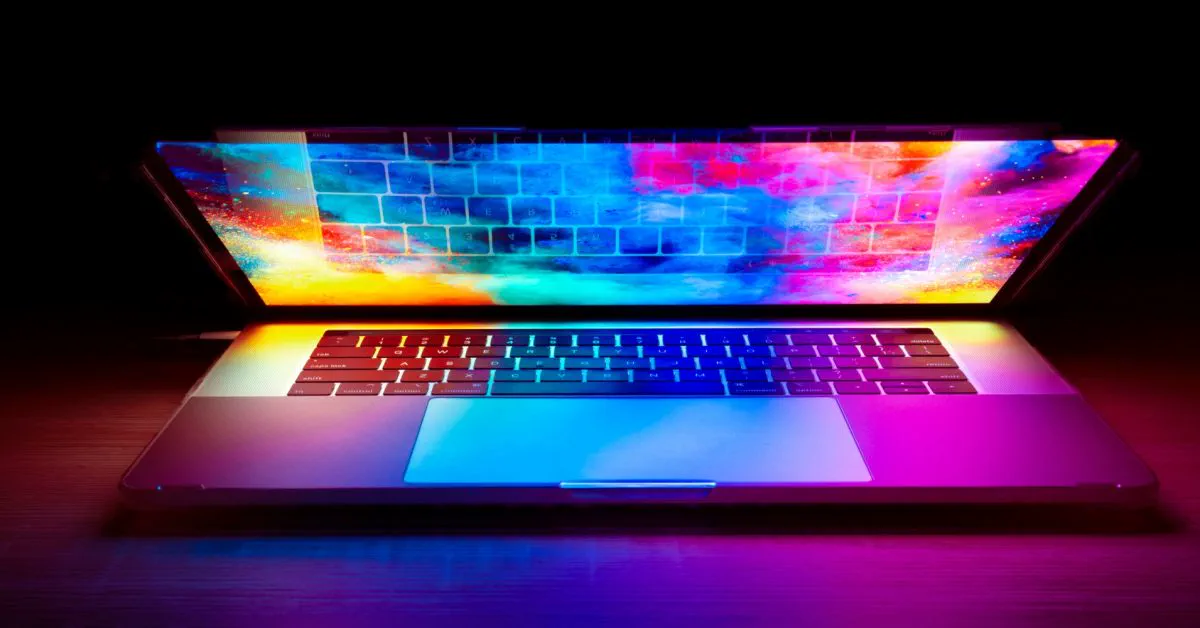 Photo: 9to5mac.com (source)
The root cause of the AT&T cellular failure highlights a rare architectural split inside Apple's flagship smartphone lineup. The standard iPhone 18 Pro relies on Apple's second-generation custom in-house modem, dubbed the C2. In contrast, the US-spec iPhone 18 Pro Max continues to incorporate a discrete Qualcomm modem to handle specific high-band mmWave and carrier network requirements.
Notably, reports indicate that zero iPhone 18 Pro handsets using Apple's C2 modem have suffered the cellular blackout. Furthermore, iPhone 18 Pro Max devices running on T-Mobile and Verizon networks remain unaffected. The issue appears confined to a destructive communication handshake between the Qualcomm cellular chip and AT&T's network stack, which irrecoverably crashes the modem baseband firmware until hardware replacement is provided.
Upcoming Redesigned MacBook Pro to Shed Significant Weight
Rounding out this week's Apple developments is an extensive leak detailing Apple's upcoming professional portable lineup. According to reporting from Bloomberg's Mark Gurman, the forthcoming MacBook Pro overhaul—widely anticipated to debut between late October and November—will feature a "significantly lighter" chassis.
Apple engineers have reportedly overhauled the laptop's interior, miniaturizing internal boards, slimming thermal assemblies, and rearranging internal batteries to make the machine easier to transport. The redesign addresses long-standing complaints from mobile creatives; the current 16-inch MacBook Pro weighs up to 4.8 pounds, towering over the 3.3-pound 15-inch MacBook Air.
Beyond weight reduction, the incoming machines represent Apple's most substantial form-factor transition in half a decade:
- Tandem OLED Display: Adopting the dual-stack OLED technology first introduced on the iPad Pro, delivering deeper black levels, higher contrast, and improved power efficiency.
- Touchscreen Integration: Marking Apple's first Mac laptop equipped with direct multi-touch screen input.
- Dynamic Island: Retiring the traditional display notch in favor of a punch-hole camera aperture integrated with macOS interactive notifications.
- M5 Pro and M5 Max Processors: Utilizing upgraded high-performance M5 silicon while Apple accelerates development for the future M7 family.
What This Means for Users and Buyers
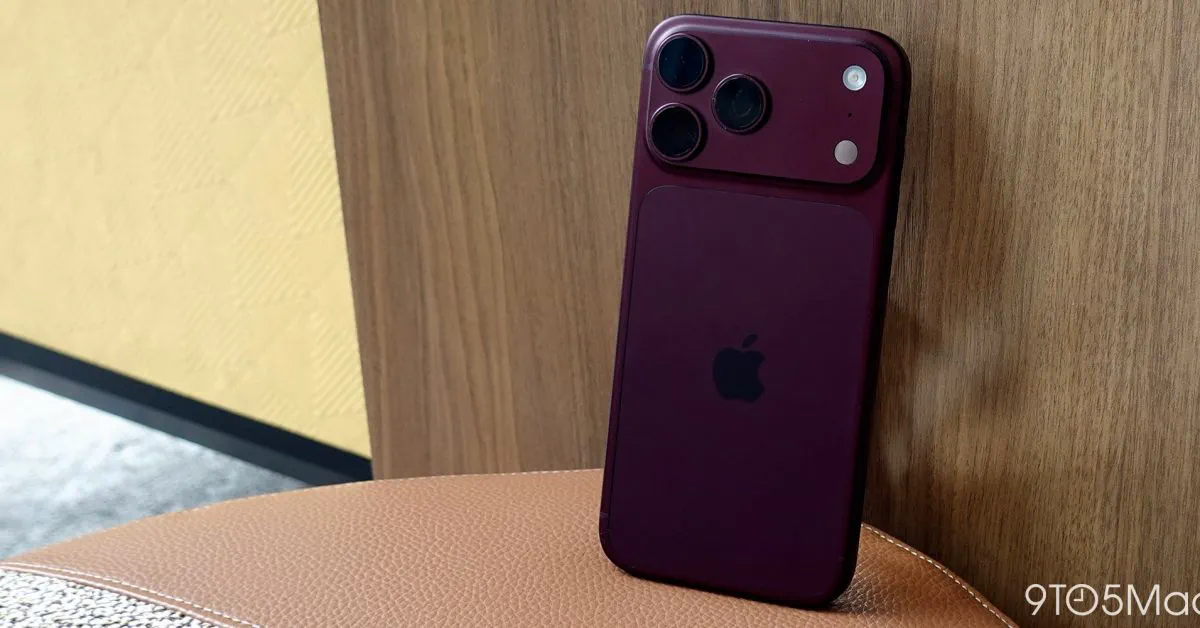 Photo: 9to5mac.com (source)
For Mac users, Apple's policy announcement on Full Disk Access serves as an immediate security warning. Desktop users should immediately open System Settings, navigate to Privacy & Security, and select Full Disk Access to audit every utility currently granted unrestricted system access. Traditional backup apps like Time Machine or SuperDuper legitimate need the clearance, but users should immediately revoke permissions from unverified AI utilities, transcription tools, or productivity agents.
For iPhone 18 Pro Max owners on AT&T, time is of the essence. If your device is currently functioning normally, install iOS 27.0.1 immediately, then open Settings > General > About to force the download of the latest carrier profile. If your device is already displaying "SOS" and cannot establish a cellular link, do not waste time resetting network settings; schedule an appointment at an Apple Store Genius Bar or an AT&T retail store to arrange a warranty hardware swap.
What Happens Next
Apple is expected to formalize its macOS Full Disk Access changes across subsequent developer betas of macOS 27, giving software engineers time to adapt their applications before high-friction warnings become default behavior.
On the hardware calendar, industry observers anticipate an Apple special event or product rollout window later this fall. With new HomePod accessories, revised Apple TV hardware, and the redesigned Tandem OLED MacBook Pro family actively undergoing testing on pre-release builds, Apple's late-year release schedule is rapidly accelerating.
FAQ
Why is Apple restricting Full Disk Access on macOS?
Apple is tightening Full Disk Access because autonomous AI desktop agents frequently request this high-level permission, exposing private emails, messages, photos, and browser history without users understanding the risks.
How do I fix an iPhone 18 Pro Max stuck in SOS mode on AT&T?
If your iPhone 18 Pro Max has already lost cellular service, a software update will not fix it; you must contact Apple Support or AT&T to receive a free hardware replacement.
Will the iOS 27.0.1 update prevent my iPhone from breaking?
Yes, applying iOS 27.0.1 alongside the latest AT&T carrier settings update prevents healthy iPhone 18 Pro Max devices from encountering the permanent modem failure.
When will the redesigned OLED MacBook Pro be released?
Apple is expected to unveil the redesigned MacBook Pro—featuring a lighter design, touchscreen, and Tandem OLED—in late October or November.
Does the cellular connectivity glitch affect the regular iPhone 18 Pro?
No, the issue is exclusive to the US iPhone 18 Pro Max on AT&T, as the smaller iPhone 18 Pro uses Apple's internal C2 cellular modem rather than Qualcomm silicon.