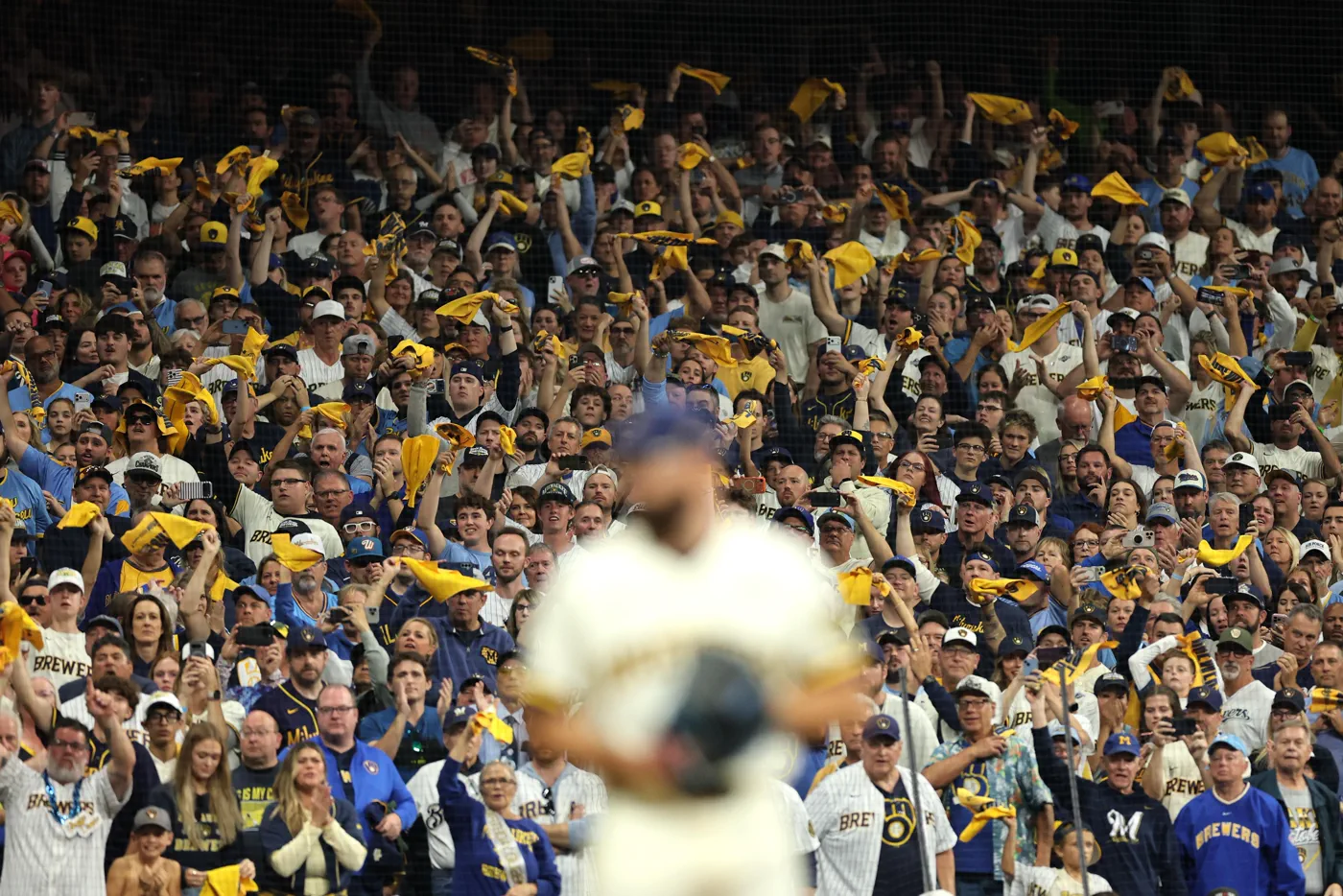
Major League Baseball is staging an aggressive digital offensive to replace its aging audience with a younger, mobile-first generation of fans. When the postseason Division Series kicked off, MLB's flagship Instagram and TikTok feeds did not open with dense box scores or pitching splits; instead, the league rolled out high-energy, beat-synced videos spotlighting stars from the Milwaukee Brewers, Los Angeles Dodgers, Chicago White Sox, and contenders across both leagues sliding into home and hyping the chase for the World Series.
That viral-first approach reflects an existential pivot for America's oldest professional sports league. Faced with television ratings dominated by retirees and games that once stretched well past three hours, MLB has transformed its media strategy. Rather than demanding fans sit through 162 nine-inning broadcasts, the league is meeting digital natives on their own turf: algorithms, lifestyle feeds, and short-form video apps.
Redefining America's Pastime for the Algorithm Era
The centerpiece of baseball's cultural makeover is the acknowledgment that highlights, emotion, and culture drive interest far more effectively than traditional linear telecasts. In partnership with TikTok, Instagram, and YouTube, MLB has loosened its historically draconian copyright enforcement to let creators, influencers, and players showcase the sport.
Instead of treating social feeds as basic billboards to tune into regional sports networks, MLB's content engine curates moments made specifically for vertical viewing:
- Second-Screen Engagement: Capitalizing on findings that 85% of sports fans browse short-form apps while watching live games, MLB feeds real-time dugout reactions and high-speed replays into fans' feeds simultaneously.
- Lifestyle Crossover: Tapping into streetwear, sneaker culture, ballpark food, and pregame music playlists to reach consumers who may never read a box score.
- The "Athlete-Creator" Push: Equipping active big leaguers with cameras, media coaching, and dedicated creator lounges at Spring Training complexes and the "MLB Player House" to boost personal branding.
- Archive Remixing: Granting vetted digital creators licensing access to MLB's historical archives so classic footage can be repurposed into viral narratives, skits, and deep dives.
Creator Classes and the TikTok GamePlan: Concrete Moves and Metrics
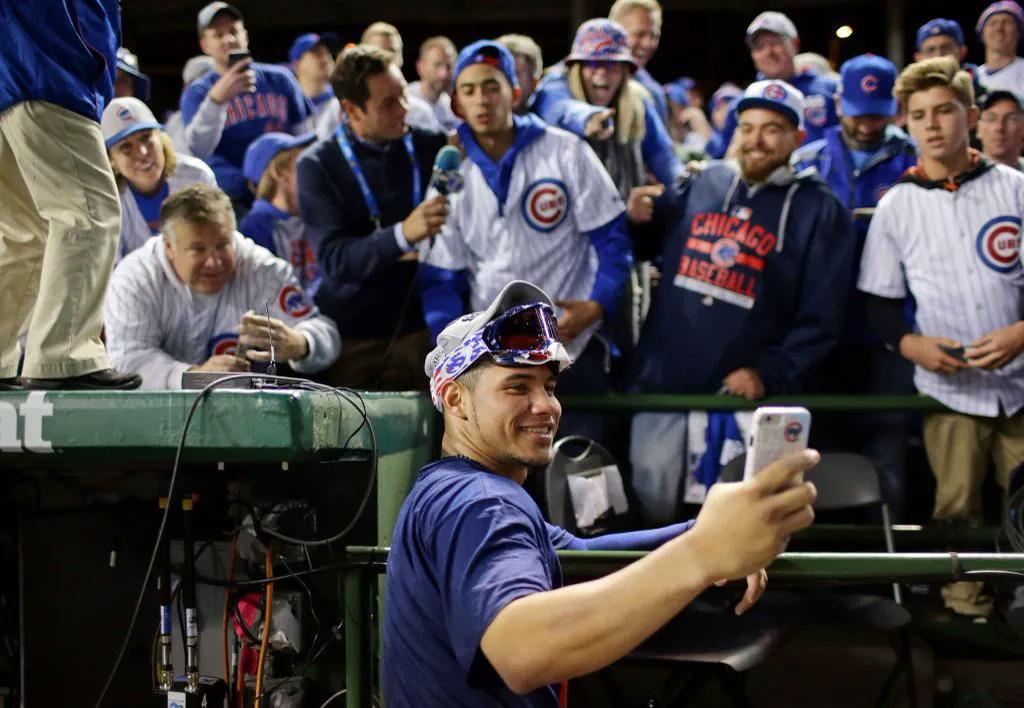 Photo: frontofficesports.com (source)
MLB formalized this strategy through the MLB Creator Class, an ambassador program that recruits digital creators across gaming, lifestyle, comedy, and food. Rather than relying strictly on baseball journalists, the league enlisted internet stars like food enthusiast Emmanuel Duverneau, comedian Mr. Chuy, and fashion creators like Legarda to produce behind-the-scenes content at jewel events like the All-Star Game and the World Series.
The initiative has expanded into full commercial integration with platforms. MLB signed multiyear extensions with TikTok that rolled out a dedicated in-app MLB Hub and integrated TikTok GamePlan, allowing users to check live game schedules, purchase single-game tickets, and sync match calendars directly within the app. The strategy also extends to capital investments: MLB acquired an equity stake in Jomboy Media, recognizing that independent baseball commentators often connect with online communities faster than corporate channels.
| Engagement Category | Traditional Broadcast Era | Modern Creator & Social Era |
|---|---|---|
| Primary Entry Point | 3-hour regional cable TV broadcasts | TikTok, Instagram Reels, YouTube Shorts |
| Median Viewer / Buyer Age | 57 years old (linear TV baseline) | 43 years old (ticket buyers), 39 (secondary market) |
| Game Duration | 3 hours, 4 minutes (2022 regular season) | 2 hours, 38 minutes (pitch clock era) |
| Total Social Views | Under 5 billion cross-platform | 17.8+ billion cross-platform video views |
| Platform Partnerships | Exclusively linear networks & RSNs | TikTok Hubs, Netflix Opening Night, YouTube |
| Postseason Social Reach | Broadcast replays & official recap packages | Creator access on the field, BP batting cages, and dugouts |
How Baseball Lost the Youth — and Why It Took So Long to Pivot
For nearly two decades, Major League Baseball faced an undeniable demographic crisis. In 2017, Nielsen research estimated the median age of baseball television viewers at 57 years old, older than the NFL (47) and substantially older than the NBA (37). Several factors compounded the issue: long dead-time between pitches, strict broadcast blackouts, and unwritten rules that discouraged players from showing emotion or celebrating big moments.
For years, MLB cracked down on fans and independent accounts posting game GIFs and video snippets on Twitter and YouTube. That defensive stance severed ties with teenagers and millennials, who were turning their attention to leagues that openly embraced digital remixing.
The tipping point arrived when attendance dropped below 70 million and younger demographics migrated away from traditional cable bundles. Recognizing that an entire generation was growing up without watching baseball on television, MLB executives chose to remake the sport's identity both on the diamond and across the internet.
The Rivalry for Attention: MLB vs. NBA, NFL, and the Savannah Bananas
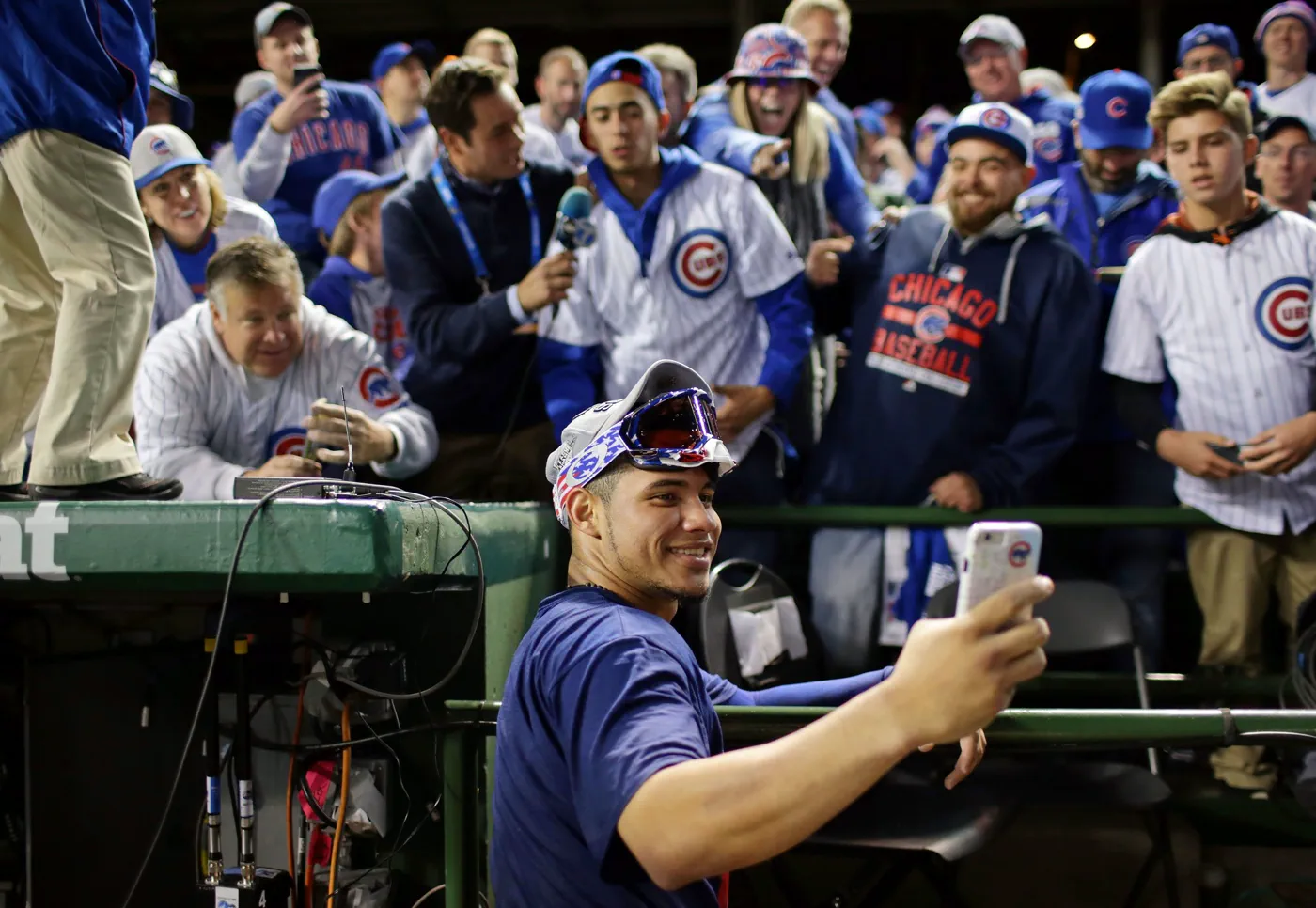 Photo: frontofficesports.com (source)
MLB is not operating in a vacuum. The NBA has long dominated digital culture by encouraging courtside influencers and licensing highlights freely, while the NFL transformed stars into global pop-culture figures. Perhaps most embarrassing for baseball's legacy clubs was the rise of the Savannah Bananas, an exhibition team whose choreographed viral dances, backflips, and fast-paced "Banana Ball" generated more TikTok views than almost every MLB franchise combined.
To counter this, MLB merged on-field rule reforms with social-first storytelling. The 2023 introduction of the pitch clock brought average game times down by nearly half an hour, creating faster action that clips cleanly into 15-second vertical videos. The league also actively highlighted bat flips, theatrical home-run trots, and walk-off celebrations, leaving behind the sport's conservative traditions in favor of viral drama.
Industry and Creator Reaction: Embracing Swag Over Stuffy Traditions
The transition has been embraced by players and marketing leaders, even as older baseball purists grumbled about etiquette.
"The Creator Class was developed to leverage the content being produced and amplifying it to audiences beyond our core fans," said Megan Reilly, MLB's manager of creator marketing. "It makes baseball more accessible and generates season-long buzz across social media, hopefully to inspire a deeper relationship between the casual fan and the game".
Executives from platform partners agree that baseball's international roster offers a unique edge on global algorithms. "The beauty of baseball is that it is such a global sport. You walk into a clubhouse, and you hear English, different dialects of Spanish, Korean, and Japanese, all being spoken in the same place," noted Cameron Gidari, MLB vice president of social media and innovation. "We want to bring to life how baseball is seen and played and celebrated".
While Hall of Fame pitcher Goose Gossage lamented that modern players celebrating home runs "act like fools," the league has doubled down on swagger, finding that slow trots and flamboyant slides into home drive engagement rates that outpace standard sports recaps.
What This Means for Everyday Fans and Ticket Buyers
 Photo: frontofficesports.com (source)
For casual sports consumers, this strategy represents a fundamentally easier way to follow baseball without buying expensive regional sports cable packages:
- Free, Snappy Highlights: Fans no longer have to wait for late-night recap shows; key plays are uploaded to TikTok, Instagram, and YouTube within seconds of happening.
- In-App Utility: Fans browsing TikTok can click direct anchor links on team videos to see real-time scores, locate stadium promotions, and buy game tickets without leaving the app.
- Cheaper Entry Points: Ballparks are prioritizing experiential social zones, standing-room social decks, and food-and-beverage packages over expensive lower-bowl tickets to draw younger groups.
- Personality-Driven Fandom: Fans can follow individual athletes—like Shohei Ohtani, Paul Skenes, and Mookie Betts—on their own channels to see workout routines, streetwear, and off-the-field lifestyle content.
The Road Ahead: Unanswered Questions for MLB's Digital Future
MLB's digital pivot is showing undeniable early returns. Regular season attendance surpassed 71 million for multiple consecutive years, social video views cracked 17.8 billion, and the average age of ticket buyers has fallen steadily. Yet significant hurdles remain.
The central question is whether viral video engagement will translate into long-term financial security. Watching a 10-second bat flip on TikTok does not guarantee a fan will pay for season tickets or watch a full nine-inning game. Furthermore, MLB's local broadcasting ecosystem remains fractured, with bankrupt regional sports networks making it difficult for local younger fans to stream live home games without running into blackout restrictions.
Whether MLB can convert casual scrolling into dedicated fandom will determine if the national pastime remains a permanent fixture of 21st-century American culture.
FAQ
What is the MLB Creator Class? The MLB Creator Class is an official brand ambassador program launched in 2021 that partners with content creators across TikTok, Instagram, and YouTube. Creators are granted exclusive field access, batting practice privileges, and postseason credentials to produce lifestyle, comedy, food, and culture content around baseball.
Why is MLB investing so heavily in social media influencers? MLB has historically had the oldest audience among major American sports leagues, with average TV viewers nearing 60. By collaborating with influencers across fashion, gaming, and lifestyle verticals, MLB aims to introduce casual and Gen Z viewers to players and ballparks on the apps they already use daily.
Has MLB's push to attract younger fans actually worked? Yes; the median age of ticket buyers has fallen from 51 to 45 since 2019, and the average MLB.TV subscriber age dropped from 48 to 44. In addition, total league attendance has grown for several consecutive years, climbing past 71 million.
What role did the pitch clock play in this transformation? The pitch clock introduced in 2023 shortened average game times from over 3 hours to roughly 2 hours and 38 minutes. The faster pace eliminates dead time, producing more continuous action that translates naturally into engaging social media clips and highlight reels.
How can fans access MLB content on TikTok? Users can search "MLB" on TikTok to reach the dedicated MLB Hub, which aggregates live scoreboards, game highlights, behind-the-scenes clips, and creator videos powered by the TikTok GamePlan platform.