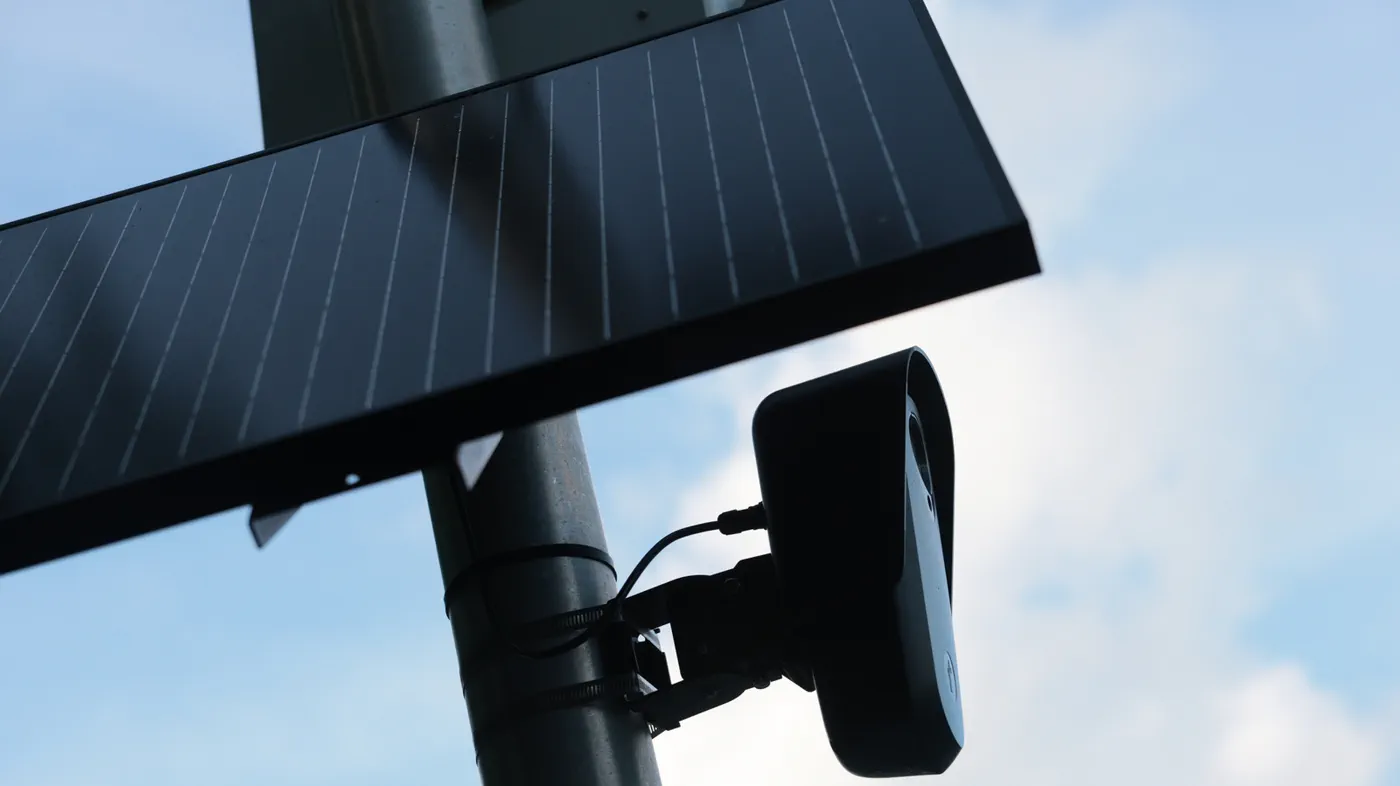
Officials in St. Lucie County, Florida, discovered 14 unauthorized Flock Safety license-plate readers installed across public rights-of-way as they prepared to decommission the county's existing surveillance network. While the local sheriff's office belatedly claimed three of the rogue cameras, 11 of the devices remain completely unclaimed, leaving residents and county commissioners with no clear answer as to who installed them, whether they are actively logging traffic, or who accesses the collected vehicle data.
The alarming discovery came after St. Lucie County voted to sever its ties with automated license-plate recognition (ALPR) technology entirely. The county believed it had 52 permitted Flock cameras scattered along its road network. When staff conducted a comprehensive physical inventory to issue formal revocation notices, they found a total of 66 cameras—revealing that more than 20% of the active Flock surveillance hardware operating in the county existed without any official permits, documentation, or public oversight.
The Audit: Finding 14 Ghost Surveillance Devices
The unexpected discovery took place during what was intended to be an administrative wind-down. In late summer, St. Lucie County commissioners voted to cancel all existing permits for Flock Safety cameras situated on county-controlled rights-of-way. County staff prepared to serve 30-day removal notices to all 52 authorized locations on file.
However, field inspections and mapping reviews revealed 14 additional ALPR units mounted on utility poles and municipal roadside fixtures that were absent from county planning registries. County staff promptly circulated the coordinates and photographic evidence to municipal police departments and regional law enforcement partners to establish chain of custody.
Only the St. Lucie County Sheriff's Office came forward, admitting ownership of three unpermitted devices. The agency did not provide an explanation as to why the installations bypassed the mandatory county Planning and Development permitting review. The municipal police departments in Fort Pierce and Port St. Lucie confirmed that none of the remaining 11 cameras belonged to their inventories, leaving nearly a dozen sophisticated vehicle tracking stations operating anonymously in public spaces.
The Mystery: Who Controls the Remaining 11 Cameras?
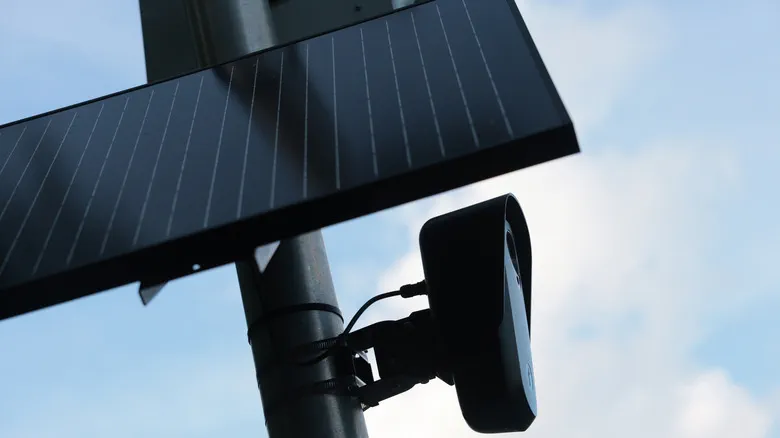 Photo: Engadget - Technology News & Expert Reviews (source)
Automated license-plate readers do not merely take static snapshots; they log high-resolution images of passing vehicles, extract alphanumeric plate characters using optical character recognition, and record directional headings, timestamps, make, model, color, and unique vehicle alterations like bumper stickers or roof racks.
Because Flock Safety leases surveillance hardware to both public agencies and private entities—including homeowner associations, business improvement districts, shopping centers, and private security contractors—the presence of unaccounted-for hardware on public rights-of-way introduces severe transparency hazards.
"There's the potential for non-law enforcement to have cameras out there, and I'm not OK with that," St. Lucie County Commissioner James Clasby stated following the disclosure. The inability of county administration to identify who leased the devices, who received the raw telemetry feeds, or whether the cameras fed national search networks sparked immediate public outcry.
| Camera Category | Count | Status / Regulatory Footing | Disclosed Operator |
|---|---|---|---|
| Permitted County Network | 52 | Revocation notices served; pending removal | St. Lucie County / Partner Agencies |
| Unpermitted Sheriff Devices | 3 | Operating without county permits; claimed after audit | St. Lucie County Sheriff's Office |
| Unclaimed Rogue Hardware | 11 | Unpermitted; zero public records or contracts | Unidentified / Unknown |
| Total Deployed Footprint | 66 | Entire network facing removal or physical bagging | Mixed public/unverified |
From Highway Ban to Total County Eviction
The local inventory audit did not occur in a vacuum. In late August, the Florida Department of Transportation (FDOT), acting on a directive from Governor Ron DeSantis, abruptly revoked all permits for automated license-plate recognition systems installed inside the state highway system's right-of-way. Citing persistent reports of surveillance misuse and data privacy vulnerabilities, FDOT established a strict deadline of September 30 for municipalities and police departments across Florida to dismantle state-road ALPR hardware.
Rather than shifting state-road devices to smaller residential corridors, the St. Lucie County Board of County Commissioners elected to eliminate Flock systems from all county-controlled rights-of-way. Commissioners cited escalating operational liabilities, public dissatisfaction, and the ongoing erosion of civil liberties. The subsequent discovery of the 14 unpermitted devices reinforced the commission's skepticism regarding the tech vendor's accountability.
The Misuse Wave: Stalking Scandals on the Treasure Coast
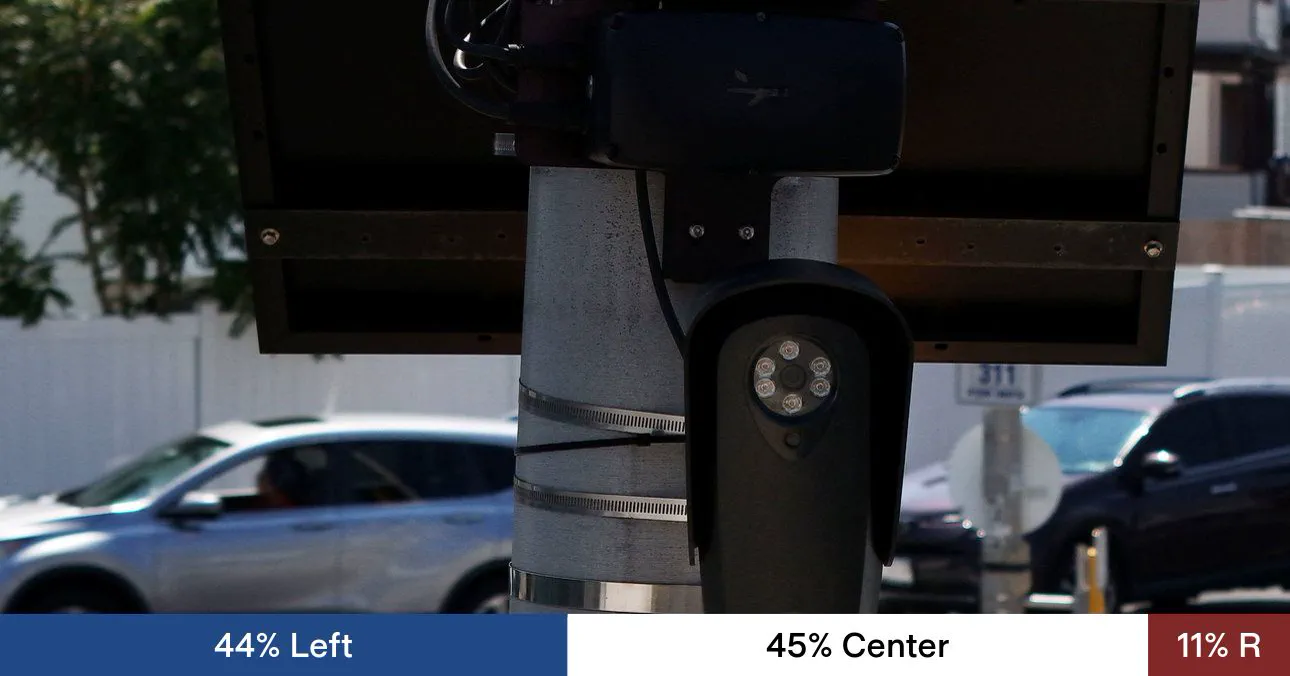 Photo: ground.news (source)
The discovery of anonymous tracking hardware carries heightened gravity in St. Lucie County due to recent high-profile criminal cases involving police officers abusing ALPR databases.
In Fort Pierce, former police officer Josepher Crutchfield was arrested and jailed after investigators determined he queried the Flock database 382 times while off duty to track his former girlfriend's vehicle. In neighboring jurisdictions, similar breaches occurred: another Florida officer conducted over 700 unauthorized searches targeting an estranged spouse, while two Pinellas County deputies faced criminal charges for using Flock access to stalk women and minors. Nationally, investigative reporting has exposed more than 50 documented incidents of law enforcement personnel using Flock software to stalk ex-partners or spy on acquaintances without legitimate investigatory grounds.
When ALPR hardware sits on public property with unidentified ownership, citizens and civil liberties advocates argue that safeguard protocols become unenforceable. Without a paper trail, there is no way to determine whether access logs are being audited, which third parties have access to the data stream, or if retention windows are being respected.
A Growing History of Unpermitted Installations
St. Lucie County is not the first jurisdiction to catch Flock Safety equipment deployed without authorization. Independent investigations and municipal records show a recurring pattern where Flock hardware appears on public utility poles and rights-of-way before local authorities grant formal approval.
| Jurisdiction | Incident Date | Circumstance | Outcome |
|---|---|---|---|
| St. Lucie County, FL | Autumn 2026 | 14 unpermitted cameras discovered during countywide audit; 11 unclaimed | 30-day removal notices posted; bagging ordered |
| Palm Bay, FL | September 2026 | Cameras deployed without mandatory final building and safety inspections | Program briefly halted; retroactively permitted |
| Millcreek, UT | September 2026 | Flock camera installed on public city property without police or city knowledge | Investigated for unauthorized municipal trespass |
| Cambridge, MA | December 2025 | Two cameras secretly installed after city explicitly ended its Flock contract | Deactivated and removed following public outcry |
| Treasure Island, FL | February 2023 | Units mounted on John's Pass Bridge without mandatory FDOT permits | FDOT ordered removal; dismantled November 2023 |
A 2024 national investigation by Forbes previously identified dozens of instances across several states where Flock Safety cameras were operational on public roads prior to the submission or approval of right-of-way permits.
Flock Safety spokesperson Paris Lewbel responded to inquiries regarding the St. Lucie County discrepancies by stating that the company applies for permits "where required, but permitting requirements vary by jurisdiction and are not necessary in every location". Lewbel added that the firm reached out to St. Lucie County and is "happy to work with them directly to review the cameras in question and address any discrepancies".
What This Means for Drivers and Digital Privacy
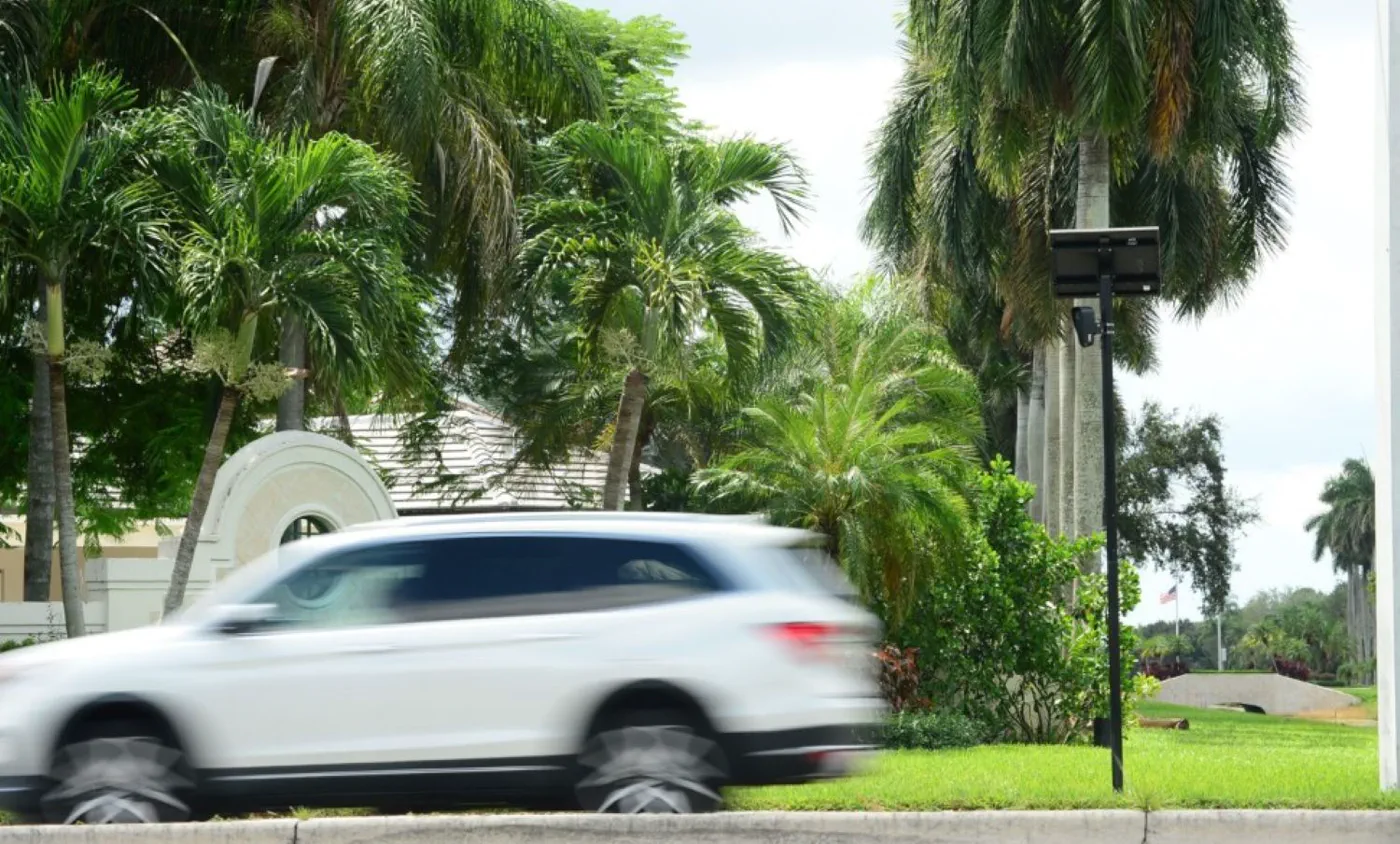 Photo: gadgetreview.com (source)
For everyday drivers, the existence of ghost surveillance infrastructure highlights structural gaps in modern tracking technology:
- Absence of Accountability: If a camera is unpermitted and unclaimed, motorists have no mechanism to seek redress, submit public records requests, or confirm data deletion.
- Blurring of Public and Private Policing: Flock allows private entities, such as businesses or HOAs, to share feeds directly into police networks or access aggregated hotspot data. When private entities install cameras on public roadways without permits, they circumvent public debate and municipal regulations.
- Auditing Failures: Most municipalities lack automated tools to inventory their own vertical infrastructure, allowing companies to mount pole-top devices unnoticed until comprehensive physical audits occur.
Next Steps: Bagging Lenses and Enforcing Deadlines
St. Lucie County is treating the 14 unauthorized units as illegal encroachments. Interim County Administrator Mayte Santamaria confirmed that code compliance personnel have attached bright red violation placards to the unpermitted poles, granting responsible parties 30 days to dismantle the installations.
To ensure privacy violations cease immediately while deadlines tick down, the county instructed public works teams to physically bag the cameras to obstruct their optical sensors. If the 11 unidentified cameras remain unclaimed by the expiration of their notices—staggered between mid- and late October—county crews will confiscate the hardware and hold it as abandoned property. In the interim, neighboring Florida counties are conducting their own pole-by-pole surveys to verify whether unauthorized surveillance hardware is watching their roads.
FAQ
How many unpermitted Flock cameras were found in St. Lucie County? Officials discovered 14 unpermitted Flock cameras while reviewing its 52 authorized installations. The Sheriff's Office claimed three of them, leaving 11 completely unaccounted for and unclaimed.
Who owns the 11 unclaimed surveillance cameras? No public or private entity has claimed ownership of the 11 cameras, and municipal police departments have confirmed the devices do not belong to them. Flock Safety stated that permitting rules vary by jurisdiction and that it is in discussions with county officials to resolve the discrepancies.
Why did St. Lucie County decide to remove Flock cameras in the first place? The county voted to clear its rights-of-way following an FDOT mandate revoking state highway permits, compounded by local and national scandals involving police officers using Flock databases for unauthorized personal stalking.
What will happen to the cameras if no one claims them? County staff placed bright red removal notices giving operators 30 days to remove the units, while public works crews plan to bag the lenses to render them immediately inoperative. Any hardware left unclaimed when deadlines expire will be removed and confiscated by the county.
Can private individuals or businesses legally buy Flock cameras? Yes, Flock Safety sells and leases cameras directly to homeowner associations, businesses, and private property owners. However, installing cameras on public rights-of-way or utility poles requires official municipal permits, which were never granted for these 14 devices.