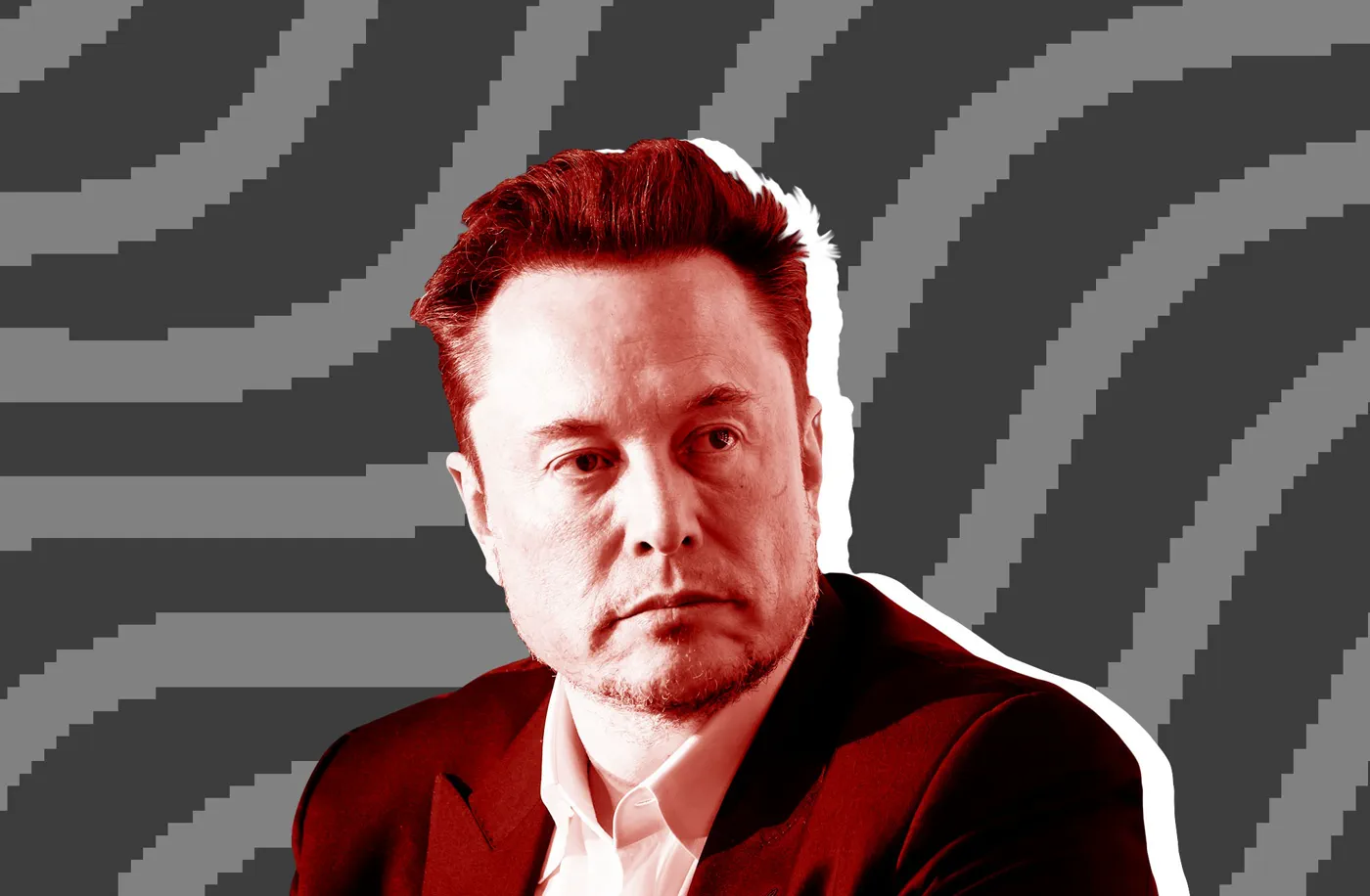
Speaking remotely at The New York Times DealBook Summit, SpaceX CEO Elon Musk accused Ukrainian President Volodymyr Zelenskyy of lying about service disruptions to Starshield, SpaceX's government satellite network. Musk insisted that the Ukrainian government is intentionally conflating the Pentagon-backed Starshield constellation with commercial Starlink internet in an effort to use consumer broadband terminals for offensive drone strikes.
The public confrontation comes after weeks of escalating tension between Kyiv, SpaceX, and Washington over satellite communications that serve as Ukraine's primary operational backbone in its ongoing defense against Russian forces.
The DealBook Clash: What Musk Said
During a live interview with journalist Andrew Ross Sorkin at the DealBook Summit, Musk directly pushed back against Ukrainian assertions that SpaceX had disrupted Starshield access on the front lines.
"That's false. I don't want to blow your mind, but Zelensky is not always truthful," Musk said when asked about Kyiv's complaints regarding Starshield.
When pressed further on whether Ukraine was experiencing throttling on the defense network, Musk asserted that Zelenskyy was misrepresenting the issue to force SpaceX to relax restrictions on civilian hardware:
- Offensive operations: Musk claimed Zelenskyy "is lying, and what he is actually saying is he wants to use Starlink for military, offensive military operations".
- Commercial terms of service: Musk reiterated that Starlink was engineered and licensed solely as civilian infrastructure and communication support, not a tactical weapons guidance system.
- Refusal to facilitate lethal strikes: "Do not ask me as a private individual to make kill decisions that sometimes result in the loss of innocent lives, not just soldiers. That is not my position to do," Musk stated.
- A firm line on Starlink: "What I'm trying to tell you is Zelensky is actually asking to use the Starlink commercial satellites, and for offensive military actions, and we have declined to do so, as we have declined to do so from the beginning of this conflict. End of story," he added.
Musk also rejected characterizations that his decisions aided Moscow, noting that SpaceX-provided connectivity kept Ukraine's front lines from collapsing in 2022 when Russian cyber warfare disabled traditional networks. He emphasized that SpaceX had also cut Russian commercial space activity by roughly two-thirds.
Starlink vs. Starshield: Two Very Different Satellite Networks
 Photo: The Verge (source)
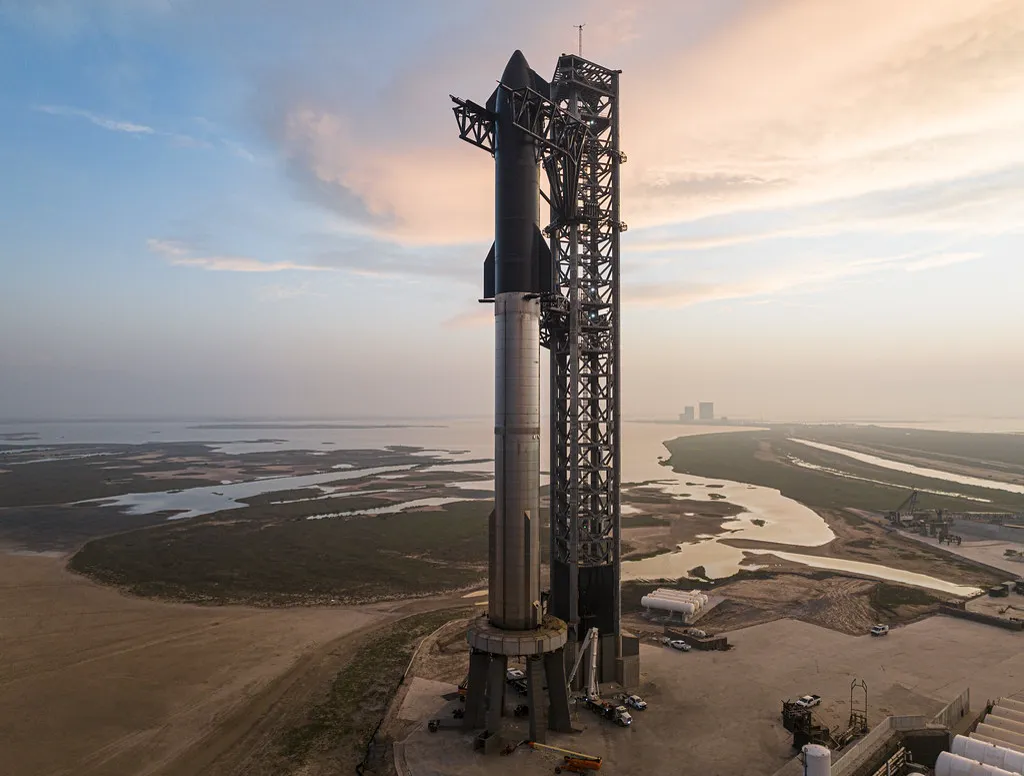
The central point of friction between Kyiv and SpaceX hinges on the technical and contractual distinction between Starlink, SpaceX's global consumer and enterprise satellite internet, and Starshield, a defense-focused derivative managed for the U.S. government.
| Feature / Attribute | Commercial Starlink | Starshield (Military) |
|---|---|---|
| Intended Customer | Consumers, businesses, maritime, humanitarian users | U.S. government, military, and allied defense agencies |
| Operational Authority | Controlled directly by SpaceX | Managed under contract by the U.S. government / Pentagon |
| Acceptable Use Terms | Strictly civilian communications and defense coordination | National security, tactical reconnaissance, military operations |
| Weapon Integration | Barred; prohibited from guiding offensive munitions | Built to integrate with military command-and-control assets |
| Speed Restrictions | Throttled above highway limits (~80–100 mph) | Variable based on Pentagon operational directives |
| Current Deployment | Over 6,000 low-Earth orbit satellites serving civilian tiers | Classified sub-constellations and dedicated military payloads |
By distinguishing between the two platforms, Musk maintained that any restrictions applied to Starshield would be orders executed at the direction of the Pentagon or the U.S. President, while restrictions on consumer Starlink are SpaceX corporate policy.
The 80-to-100 MPH Speed Limit and Drone Strikes
Much of the operational dispute centers on dynamic geofencing and motion limits designed to prevent commercial Starlink terminals from being strapped onto airborne weapons.
Musk acknowledged that SpaceX enforces velocity caps on standard Starlink terminals. The system cuts data transmission when a terminal moves faster than standard ground transport—specifically between 80 mph (128 km/h) and 100 mph (161 km/h).
"In the Starlink system, there is a speed limit. That speed limit is the speed of the fastest road speed limit in Ukraine, which I think is about 80 miles an hour," Musk stated.
Ukrainian defense personnel have countered that these velocity caps severely hamper their defensive capabilities:
- Drone interceptors: Ukraine uses fast unmanned aerial vehicles (UAVs) flying well above 100 mph to chase and shoot down incoming Russian Shahed loitering drones. When speed caps trigger, terminal links drop midair.
- Offensive drone relays: Ukrainian forces have sought to route control links across long distances to target infrastructure deep behind Russian lines.
- Technical disputes: Ukrainian drone experts argued that field units do not utilize standard consumer Starlinks for unauthorized kinetic attacks without SpaceX's whitelist knowledge, pointing out that geofencing has been strictly calibrated since early 2024.
The Background: How the Standoff Reached a Boiling Point
 Photo: tokenpost.com (source)
Ukraine has relied heavily on Starlink since the first week of Russia's full-scale invasion in February 2022, when Musk shipped thousands of user dishes to Kyiv free of charge. Over the course of the war, tens of thousands of terminals were deployed by government ministries, civil emergency units, and frontline squads.
However, tensions have surfaced repeatedly:
- Crimean coast incident (2022): Musk previously declined to activate Starlink coverage near the Crimean coast for a planned Ukrainian naval drone attack against Russia's Black Sea fleet, citing fears of nuclear escalation.
- Pentagon Starshield contract (2023): To shield Musk and commercial Starlink from direct battlefield command, the U.S. Department of Defense contracted dedicated Starshield capabilities for Ukraine.
- October 2024–2026 disruptions: In late October, Ukrainian officials raised public alarms that satellite terminals experienced throttling during high-speed intercept missions, leading to several drones crashing.
- White House mixed messages: While Ukraine suggested the disruptions resulted from political guidance out of Washington, U.S. officials and President Donald Trump denied ordering any slowdown. On October 24, Musk posted that SpaceX had closed a "loophole" after discovering Ukrainian forces using commercial Starlink units in offensive attacks.
Zelenskyy sounded the alarm again on November 12, reporting fresh connectivity drops that impacted battlefield communication. Musk's DealBook comments represent his most aggressive direct rebuttal to Zelenskyy's claims to date.
Reactions from Kyiv, Washington, and the Defense Community
Musk's assertion that Zelenskyy is "lying" sparked sharp reactions across the international security landscape.
In Kyiv, officials maintain that uninterrupted high-speed satellite service is not a luxury for offensive adventures, but an existential requirement for defending civilian cities against relentless aerial barrages. After previous slowdowns, Zelenskyy published imagery of civilian casualties caused by Shahed drones that air defense teams failed to intercept.
Military analysts and drone operators in Ukraine contested Musk's account of how terminals operate in the field. Former defense ministry drone advisors emphasized that whitelisting protocols established between Kyiv and SpaceX in early 2024 made rogue drone modifications nearly impossible without SpaceX engineering detecting them.
In Washington, lawmakers expressed bipartisan unease over the concentration of geopolitical power in the hands of a single private executive. Several congressional leaders have questioned whether critical national security infrastructure can depend on volatile relations between private corporate executives and foreign heads of state.
What It Means for Commercial Tech in Modern Warfare
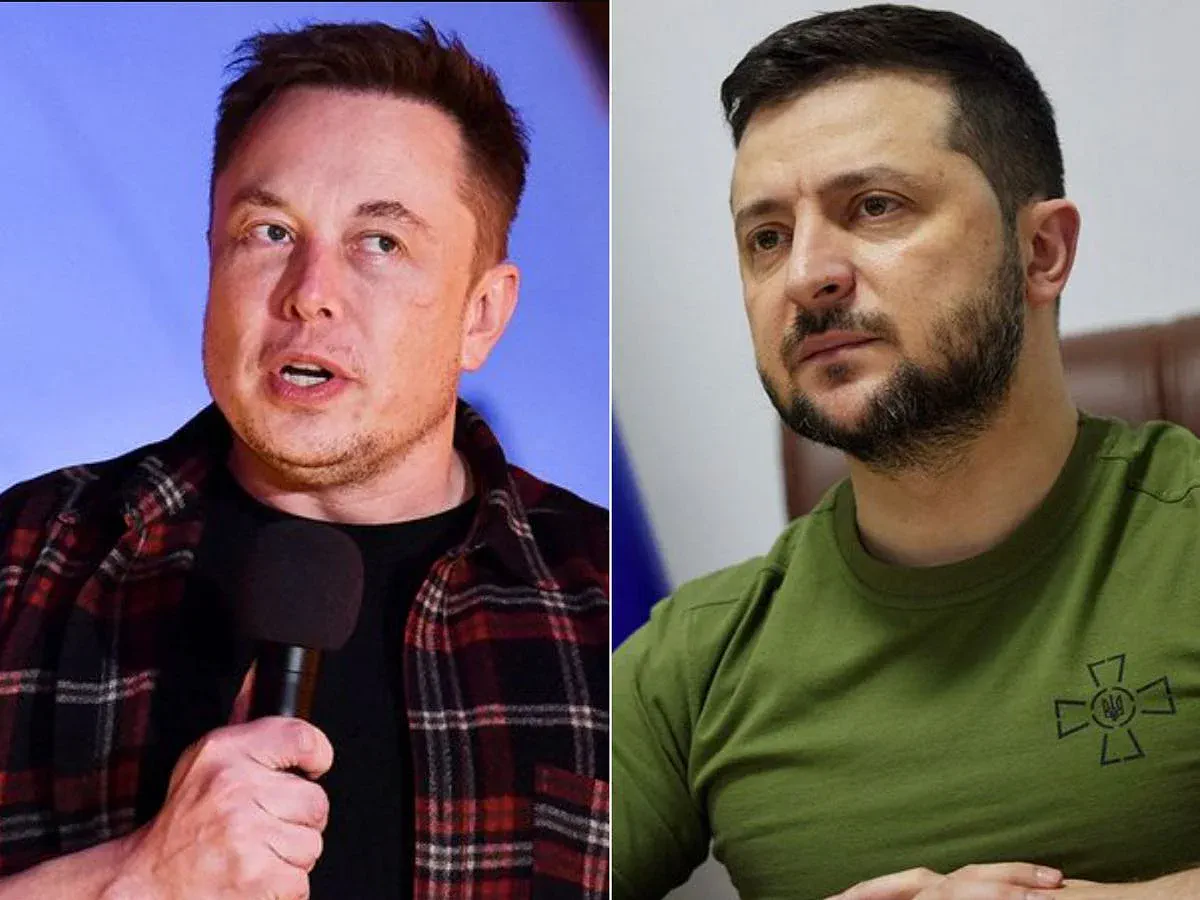 Photo: gulfnews.com (source)
The clash exposes a growing fault line in modern conflict: the militarization of dual-use commercial technologies.
- Dual-use dilemmas: Commercial tech companies selling cloud, satellite, or AI services are increasingly wary of being categorized as direct combatants under international humanitarian law.
- Private corporate vetoes: The dispute underscores that private contractors retain functional kill-switches over combat networks when systems run on proprietary commercial architecture.
- Allied redundancy: Western militaries are actively reviewing dependencies on single-vendor networks, accelerating alternative low-Earth orbit constellations operated by European or government-owned consortiums.
What Happens Next and Unresolved Questions
While Musk confirmed that basic Starlink internet remains active across Ukrainian defensive lines, several pressing questions remain unresolved:
- Pentagon mediation: Will the U.S. Department of Defense expand its Starshield procurement to fully cover interceptor drone telemetry and eliminate reliance on civilian Starlink units?
- Clarity on outages: Neither SpaceX nor the Pentagon has released technical audit logs verifying whether recent outages stemmed from civilian Starlink geofences or administrative throttle changes on Starshield.
- Alternative networks: Ukraine is expanding procurement of domestic radio-relay drone systems and alternative satellite providers to insulate front-line operations from corporate disputes.
FAQ
What did Elon Musk say about Volodymyr Zelenskyy? Musk stated at The New York Times DealBook Summit that Zelenskyy is "lying" about outages on the Starshield satellite system. Musk claimed Ukraine's leadership is actually trying to pressure SpaceX into allowing consumer Starlink terminals to be used for offensive drone attacks.
What is the difference between Starlink and Starshield? Starlink is SpaceX's commercial satellite broadband network designed for civilian, commercial, and defensive communication. Starshield is a customized, government-owned and defense-oriented satellite system contracted and overseen by the U.S. military.
Why does Starlink have a speed limit in Ukraine? SpaceX limits commercial Starlink terminal connections to roughly 80 to 100 mph (128 to 161 km/h)—matching Ukraine's highway speeds—to stop military forces from strapping civilian terminals onto fast-flying attack drones.
Has SpaceX cut off Starlink access across Ukraine? No. Musk emphasized that Starlink remains fully operational for defensive communications, civilian infrastructure, and frontline coordination, and has not been shut down.