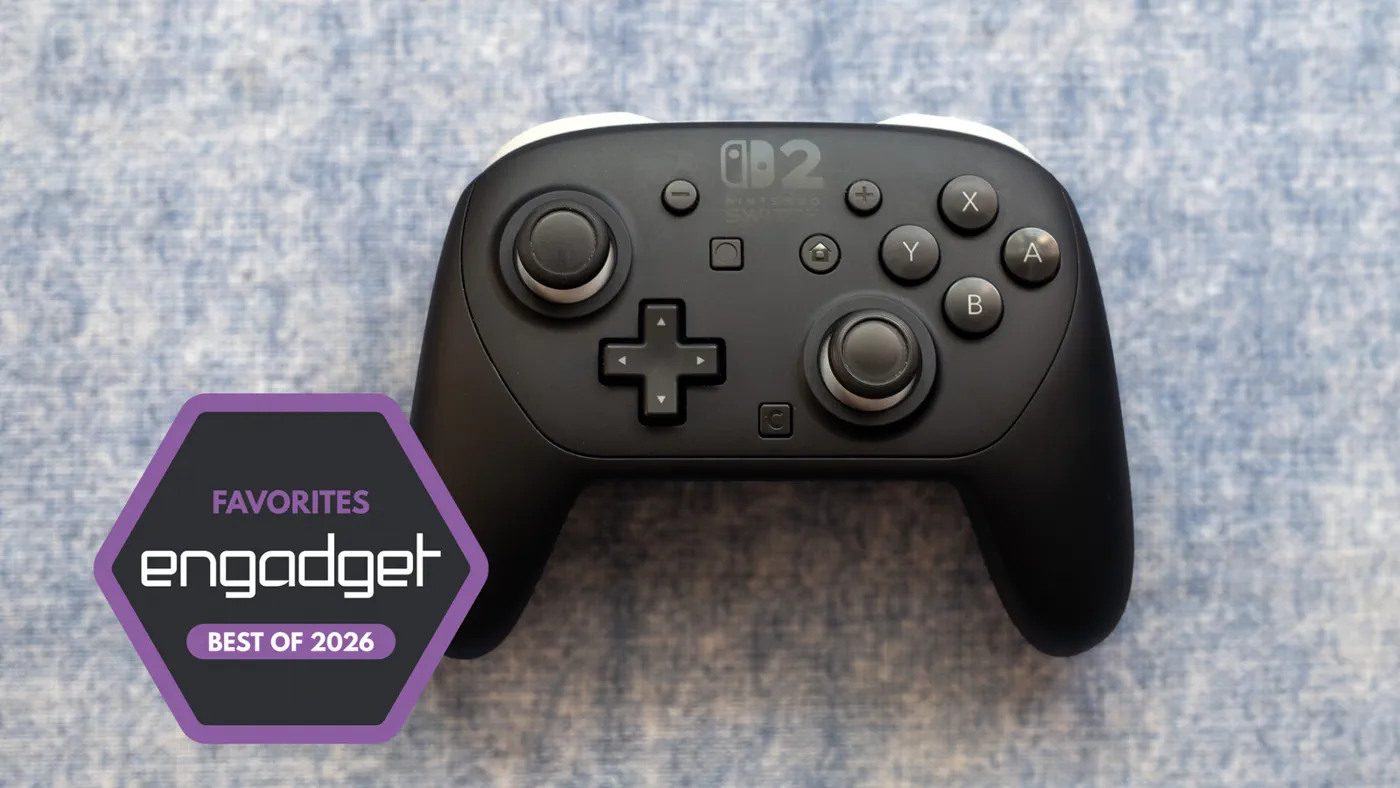
Nintendo’s Switch 2 Pro Controller is widely regarded as the most refined first-party gamepad the company has ever engineered, but its steep $84.99 asking price has left many gamers searching for more affordable alternatives. With several special editions pushing past $99.99, outfitting a living room for multiplayer sessions has become an expensive proposition, driving players toward capable third-party manufacturers and legacy hardware.
Fortunately, the accessory ecosystem has stepped up rapidly. A growing lineup of third-party controllers not only undercuts Nintendo’s premium pricing by $20 to $50, but in several cases improves upon the hardware by adding drift-resistant Hall Effect and TMR joysticks that Nintendo's official pad lacks.
What Makes the Official Switch 2 Pro Controller So Costly
Nintendo designed the Switch 2 Pro Controller to integrate seamlessly into its updated ecosystem, pairing classic comfort with new hardware features. The gamepad introduces two remappable rear buttons set into the grips (labeled GL and GR), which can be mapped directly within the console’s operating system on a per-game basis rather than requiring third-party software.
Additional first-party hardware upgrades include:
- A dedicated "C" Button: Launches Nintendo’s integrated GameChat menu instantly without disrupting active gameplay.
- Integrated 3.5mm Audio Jack: Delivers direct CTIA-standard headset and microphone pass-through when playing docked.
- HD Rumble 2: Upgrades the internal linear resonant actuators for nuanced, context-aware haptic feedback.
- Full Wireless Convenience: Offers console wake-up functionality via the Home button and built-in NFC for scanning Amiibo figures.
- Stamina: Retains a 1,070 mAh rechargeable battery providing approximately 40 hours of play per charge, now recharging via USB-C in roughly 3 hours.
Watch: Top Switch 2 Pro Controller Alternatives – Best Controllers to Buy in 2025!

Video: Red Bandana Gaming on YouTube
The Hardware Paradox: Why Many Players Are Hesitating
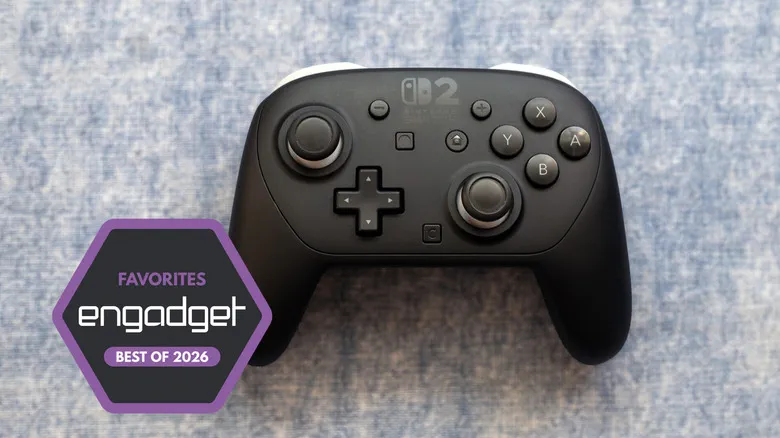 Photo: Engadget - Technology News & Expert Reviews (source)
Despite its ergonomic praise and deep system integration, the Switch 2 Pro Controller has faced scrutiny from hardware reviewers and enthusiasts over key hardware omissions. The most glaring issue is Nintendo’s decision to stick with conventional potentiometer-based analog sticks instead of contactless Hall Effect or Tunneling Magnetoresistance (TMR) sensors. While Nintendo tuned the sticks to feel exceptionally smooth, mechanical contact means they remain technically vulnerable to analog stick drift over extended lifespans.
Furthermore, Nintendo retained digital trigger buttons instead of switching to analog triggers, which limits fine throttle control in racing titles. When paired with an American MSRP of $84.99—a $15 markup over the original Switch Pro Controller's $69.99 launch price—gamers are questioning whether first-party convenience justifies the premium.
Controller Face-Off: Specs and Price Comparison
| Controller | Launch / Street Price | Stick Technology | Battery Life | Rear Buttons | Amiibo (NFC) | Console Wake-Up |
|---|---|---|---|---|---|---|
| Nintendo Switch 2 Pro Controller | $84.99 – $89.99 | Potentiometer (Standard) | ~40 Hours | 2 (GL / GR) | Yes | Yes |
| 8BitDo Ultimate 2 Bluetooth | $59.99 – $69.99 | TMR (Anti-Drift) | 10 – 15 Hours | 2 Back + 2 Bumpers | No | Yes (Wake-on-shake) |
| Turtle Beach Afterglow / Rematch | $64.99 | TMR (Anti-Drift) | ~40 Hours | 2 Back Paddles | No | No |
| PowerA Advantage Wireless | $49.99 | Hall Effect (Anti-Drift) | ~30 Hours | 2 Back Buttons | No | Model Dependent |
| EasySMX S10 | $34.99 | Hall Effect (Anti-Drift) | ~12 Hours | 2 Back Buttons | Yes | Yes |
| Original Switch 1 Pro Controller | $50.00 – $69.99 | Potentiometer (Standard) | ~40 Hours | None | Yes | No (on Switch 2) |
8BitDo Ultimate 2: The Anti-Drift Enthusiast Favorite
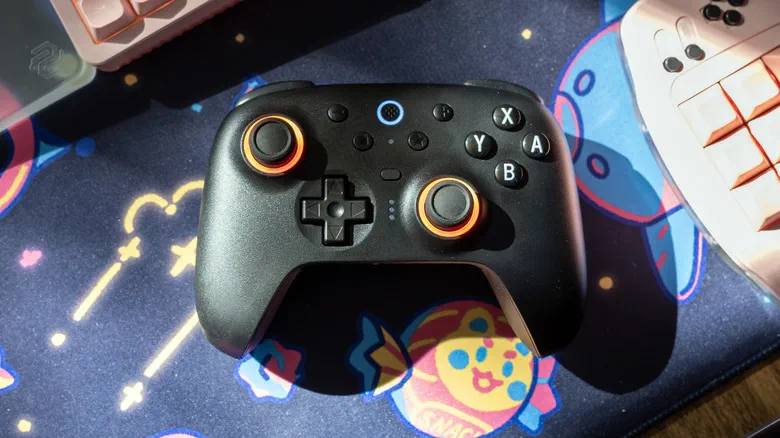 Photo: Engadget - Technology News & Expert Reviews (source)
For players prioritizing build longevity and competitive features, the 8BitDo Ultimate 2 Bluetooth ($59.99 to $69.99) represents the most complete alternative on the market. Unlike Nintendo's controller, 8BitDo equips the Ultimate 2 with advanced TMR joysticks. TMR sensors operate via magnetic resistance rather than physical electrical contacts, virtually eliminating wear-and-tear drift while retaining the tactile response of traditional sticks.
The Ultimate 2 also includes Hall Effect triggers with hardware toggles that switch between linear pulls and hair-trigger microswitches, two programmable back paddles, two additional shoulder bumpers, and a bundled magnetic charging dock with an integrated 2.4GHz wireless adapter bay. While buyers sacrifice Amiibo scanning and must accept shorter battery life (10 to 15 hours with RGB lighting active), the included dock ensures the pad stays charged between sessions. For extreme budget builds, 8BitDo's stripped-down Ultimate 2C drops the dock and back paddles but retains anti-drift sticks for roughly $30.
Turtle Beach Afterglow & Rematch: Extended Battery and Aesthetics
Turtle Beach has expanded its presence in the Switch ecosystem through its Performance Designed Products (PDP) brand, delivering two prominent alternatives: the Afterglow Wireless and the Rematch Wireless, both retailing at $64.99.
Both controllers feature TMR thumbsticks for long-term drift immunity, responsive face buttons, and two mappable rear paddles integrated into the underside of the grips. The primary differentiators lie in styling:
- The Afterglow features a clear prismatic chassis with customizable multi-zone RGB lighting that displays internal circuitry.
- The Rematch opts for officially licensed Nintendo artwork (including Mario, Zelda, and Rosalina editions).
Both pads boast a 40-hour battery life that mirrors Nintendo’s first-party longevity, though they forego rumble motors and an integrated 3.5mm headset jack.
Budget Champions: EasySMX S10 and PowerA Advantage
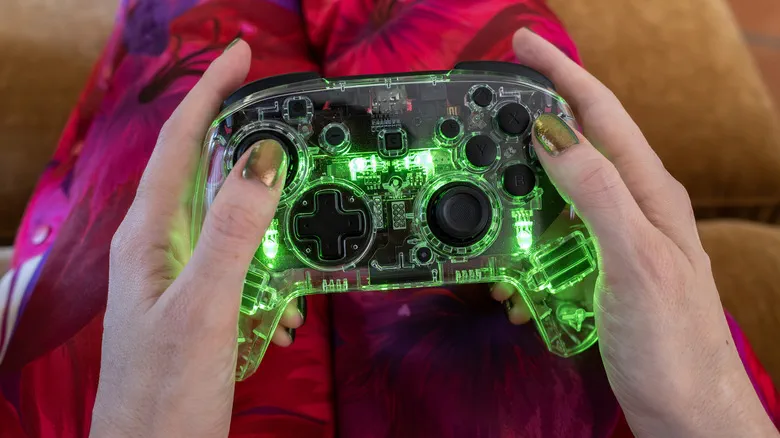 Photo: Engadget - Technology News & Expert Reviews (source)
If shaving down total cost is paramount, third-party options under $50 deliver surprising performance.
The EasySMX S10 ($34.99) stands out by including Hall Effect electromagnetic sticks, tactile microswitch buttons, and console wake-up functionality over Bluetooth—a rarity among third-party options. Its plastic chassis is slightly lighter and creakier under torque, but for budget multiplayer setups, it offers unbeatable value.
Meanwhile, PowerA's Advantage Wireless ($49.99) and Advantage Wired ($39.99) models bring officially licensed Nintendo hardware with Hall Effect stick technology, anti-friction rings, and two assignable advanced gaming buttons. The wired version frequently dips below $25 on sale, providing a dependable, zero-latency backup pad for couch tournaments.
Legacy Hardware: Reusing Your Original Switch Pro Controller
Players upgrading to the Switch 2 do not necessarily need to buy a new controller at all. Nintendo confirmed backward compatibility for the original Switch 1 Pro Controller on Switch 2 hardware.
Reusing a legacy controller preserves the 40-hour battery life, Amiibo scanning support, and original HD Rumble. However, sticking with legacy hardware comes with minor trade-offs:
- The original controller cannot wake the Switch 2 console from sleep mode.
- It lacks the dedicated C Button used for launching GameChat.
- It does not offer GL/GR rear grip buttons or a built-in 3.5mm headphone jack.
- It features generation-one HD Rumble rather than the upgraded context haptics of HD Rumble 2.
Practical Buying Advice: Which Gamepad Fits Your Setup?
- Choose the Official Switch 2 Pro Controller ($85) if you frequently use docked voice chat with wired headsets, regularly scan Amiibo figures, prioritize the maximum 40-hour battery life, and want seamless in-OS button mapping.
- Choose the 8BitDo Ultimate 2 ($60–$70) if you want immunity from analog stick drift via TMR sensors, love drop-in charging docks, play multi-platform games on PC, or want hair-trigger adjustments.
- Choose the Turtle Beach Afterglow or Rematch ($65) if you want 40-hour battery life paired with TMR sensors and prefer either bold RGB aesthetics or licensed Nintendo art.
- Choose the EasySMX S10 or PowerA Advantage ($25–$50) if you need to outfit your living room with extra guest controllers without spending hundreds of dollars.
FAQ
Does the Nintendo Switch 2 Pro Controller suffer from stick drift? Because Nintendo uses traditional potentiometer sensors rather than contactless Hall Effect or TMR sensors, the official Switch 2 Pro Controller remains theoretically susceptible to wear-and-tear analog drift over years of heavy use.
Can the original Switch Pro Controller be used on the Switch 2? Yes, the original Switch 1 Pro Controller works wirelessly or via USB-C on the Switch 2, though it cannot wake the newer console from sleep and lacks the headphone jack, rear grip paddles, and GameChat button.
Do third-party Switch 2 controllers support Amiibo scanning? Most affordable third-party controllers omit near-field communication (NFC) hardware to reduce costs, meaning you will need an official Joy-Con 2 or official Pro Controller to scan Amiibo figures.
What are TMR joysticks and why are they on alternative controllers? Tunneling Magnetoresistance (TMR) joysticks use magnetic sensors rather than physical friction wipers to track thumbstick movement. They offer ultra-low power consumption, precise inputs, and physical immunity to standard stick drift.
Can third-party controllers wake the Switch 2 from sleep mode? While some budget controllers (such as the EasySMX S10 and 8BitDo models with wake-on-shake) support system wake-up, many unlicensed or legacy third-party wireless controllers require you to power on the Switch 2 manually at the dock.