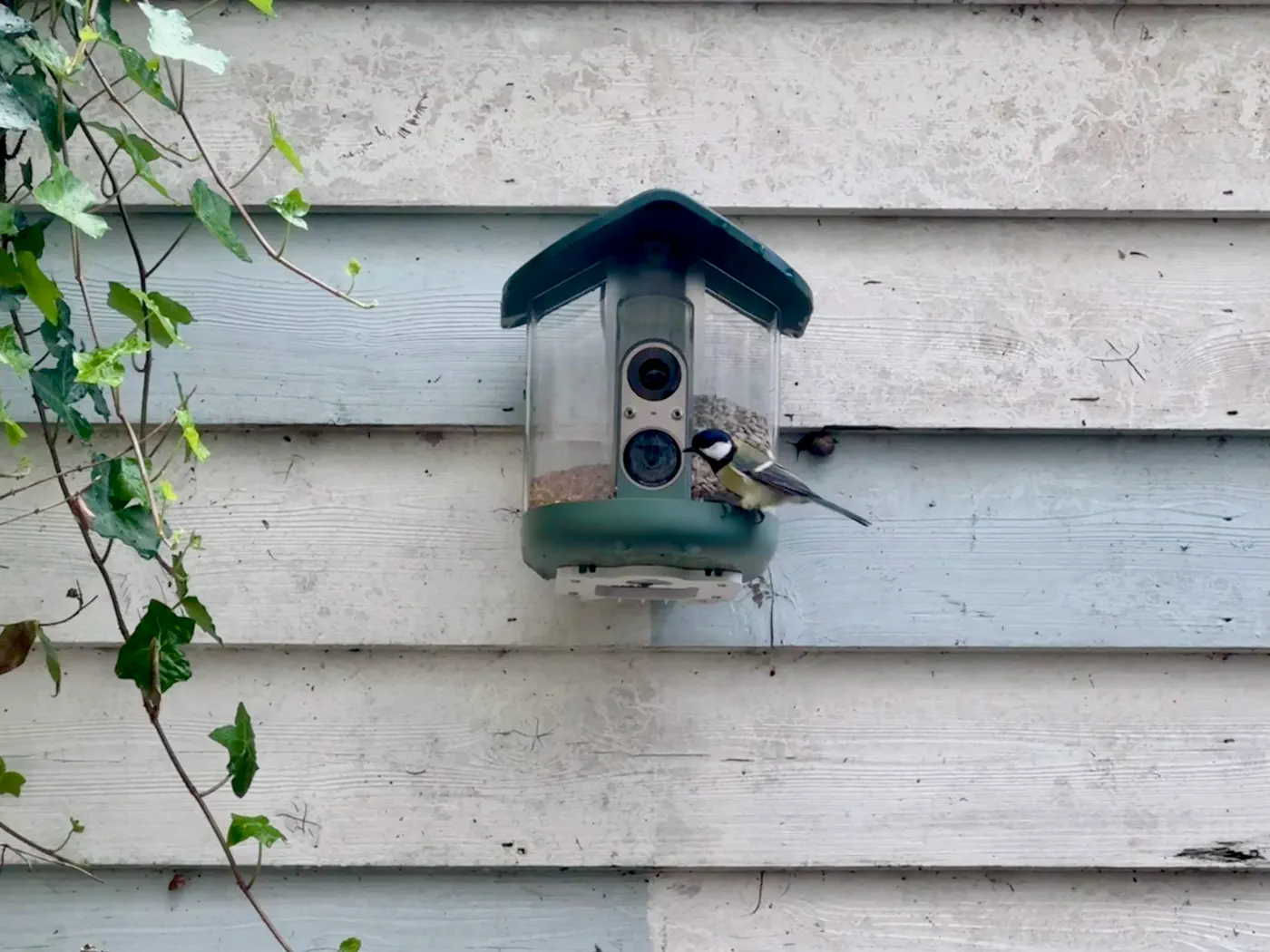
Smart bird feeders promise a tranquil window into wildlife, but putting an artificial intelligence camera stocked with seed in your garden can quickly trigger unintended ecological chaos. In an October 2026 report for The Verge, senior editor Thomas Ricker recounted how his testing of the $269 Kiwibit Bird Feeder 2 Pro began as an enchanting wildlife theater and devolved into an unmanageable infestation of feral pigeons and backyard mice.
While high-resolution edge computing and computer vision have made automated bird identification accessible to mainstream backyards, consumer tech hardware frequently clashes with unruly outdoor realities. The experience underscores the practical limits of smart-home gadgets when confronted with persistent urban pests that ignore onboard deterrence systems.
From Backyard Serenity to Pest Mayhem
The setup initially seemed like a triumph of modern consumer AI. Within just a few weeks of mounting the Kiwibit Bird Feeder 2 Pro in his garden, Ricker observed dozens of tiny, vibrantly colored birds flocking to the perch.
The device's onboard AI identification system immediately went to work, delivering automated alerts to his smartphone with species identifications: "Looks like Great Tit!" followed swiftly by "Looks like Eurasian Blue Tit!" The app offered educational summaries detailing feeding behaviors, plumage traits, and migratory habits, while capturing crisp 4K HDR video clips of the birds grabbing single, premium husked sunflower seeds before retreating into the safety of the garden canopy.
However, the peaceful garden showcase was short-lived. The abundant buffet soon attracted larger, far more aggressive visitors: common rock pigeons. The bulky pigeons completely monopolized the perch, physically blocking the 4K lens and squatting on the feeder for more than 30 minutes at a stretch. Attempts to activate the unit's onboard alarm siren did nothing to frighten the birds away. Worse, the large quantities of discarded seed knocked to the lawn below quickly drew foraging mice, transforming an idyllic hobby into a household pest problem that forced Ricker to take down the device entirely and stash it in a closet.
Watch: Kiwibit Bird Feeder 2 Review | True 4K Bird Camera

Video: Lo Knows on YouTube
Inside the Kiwibit Bird Feeder 2 Pro: Specs and Features
 Photo: The Verge (source)
Kiwibit launched the Bird Feeder 2 Pro in September 2026 as the world's first smart bird feeder featuring phase-detection autofocus (PDAF), aimed at solving the blurry motion shots common to fixed-focus feeder cameras. Originally listed at an MSRP of $349.99 and discounted to $269.99, the device incorporates premium imaging sensors and solar recharging hardware.
Key hardware features of the Kiwibit Bird Feeder 2 Pro include:
- Imaging and Optics: An 8MP sensor capturing 4K Ultra HD (3280×2460) video with HDR, a 130-degree wide-angle lens, and PDAF autofocus tracking.
- High-Speed Modes: Capable of dropping resolution to 1080p at 60 fps or 120 fps for ultra-slow-motion captures of rapid wingbeats, such as visiting hummingbirds.
- Power Delivery: A removable 5,200 mAh rechargeable battery pack complemented by a 5W dual-solar-panel roof designed for continuous off-grid operation.
- Storage and Connectivity: Dual-band 2.4GHz / 5GHz Wi-Fi, local microSD card support, and 60 days of rolling free cloud storage without a mandatory recurring fee on direct models.
- FeatherPal AI Platform: A local and cloud-assisted computer vision model capable of recognizing over 10,000 bird species.
- Active Deterrents: An onboard white spotlight LED and an integrated 90dB siren intended to scare away predators and rodents.
| Feature | Kiwibit Bird Feeder 2 Pro | Netvue Birdfy 2 Pro | Bird Buddy Smart Feeder |
|---|---|---|---|
| Camera Resolution | 4K Ultra HD (3280×2460) | 1080p Full HD | 5MP (1080p HDR) |
| Autofocus | Phase-Detection (PDAF) | Fixed Focus | Fixed Focus |
| Slow Motion | 1080p @ up to 120 fps | 1080p @ 30 fps | Not Supported |
| Solar Capability | Integrated 5W Solar Roof | Optional External Panel | Detachable Solar Roof |
| Base Price | $269.99 (Reg. $349.99) | ~$199.99 | ~$239.00 |
| AI Subscription | Lifetime included (Direct) | Subscription tier / Free basic | Optional Pro tier |
The Rise of Smart Backyard Birdwatching
Smart bird feeders represent one of the fastest-growing niches in consumer smart-home tech. Platforms like the Cornell Lab of Ornithology's Merlin Bird ID app first proved the enormous public appetite for automated species recognition using machine learning and audio analysis. Hardware manufacturers quickly capitalized on this trend by fusing weatherproof security camera modules with seed hoppers.
Kickstarter campaigns from Bird Buddy and products from smart camera makers like Netvue brought automated birdwatching to hundreds of thousands of backyards. However, early products were frequently criticized for grainy, fixed-focus video, erratic Wi-Fi reception, and short battery lives. Hardware revisions in 2025 and 2026 introduced 4K sensors, integrated solar roofs, and dual-band networking, turning what were once crude hobby gadgets into advanced imaging platforms.
AI in the Edge: Where the Technology Stumbled
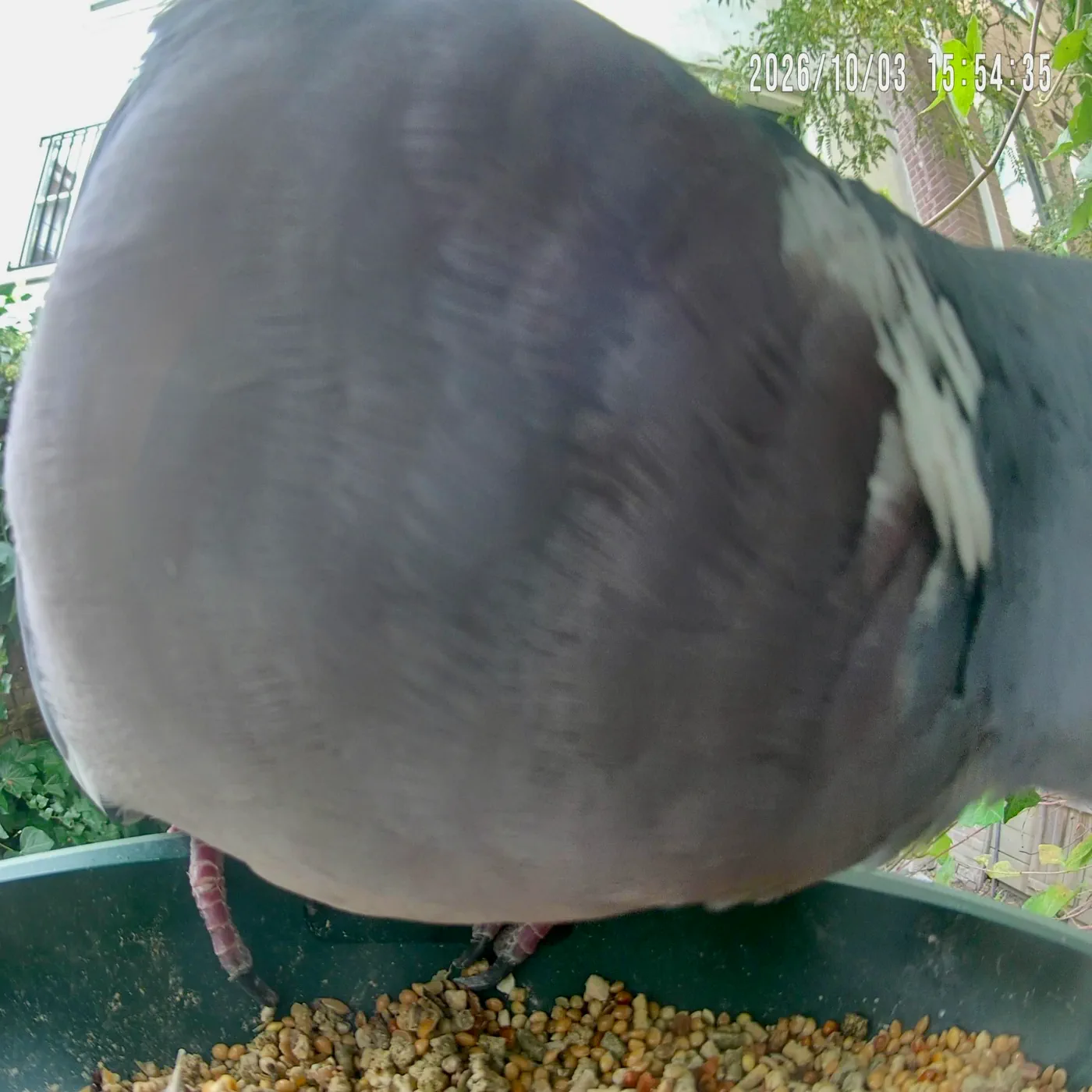 Photo: The Verge (source)
Despite the impressive technical jump in camera optics and solar efficiency, real-world deployment reveals the limits of software models when interacting with physical wildlife. While the FeatherPal system accurately flagged species like blue tits, its alerts highlighted the inherent uncertainty of automated vision models by couching IDs under probabilistic phrasing like "Looks like."
More critically, the smart feeder's software lacks adaptive behavior to handle nuisance animals. While the marketing materials boast of an onboard 90dB siren and motion sensors designed to repel unwanted pests, wild urban animals often become habituated to auditory warnings almost instantly. For a persistent pigeon or urban rodent, an electronic chime or high-frequency tone is a minor annoyance easily outweighed by an all-you-can-eat supply of high-fat sunflower seeds.
The Ground Fallout: How Feeders Attract Rodents
Wildlife and pest management experts emphasize that bird feeders rarely operate in ecological isolation. When birds—or greedy pigeons—forage at an open landing perch, a significant percentage of seed spills over the tray onto the grass or deck below.
In suburban and urban environments, ground scatter acts as an immediate food beacon for mice, rats, raccoons, and squirrels. Unless a feeder incorporates deep seed catchers, physical exclusionary cages, or motorized weight-activated perches that close feeding ports under the weight of heavier animals, high-end electronics cannot prevent bottom-tier pests from exploiting the food source.
Practical Advice for Prospective Buyers
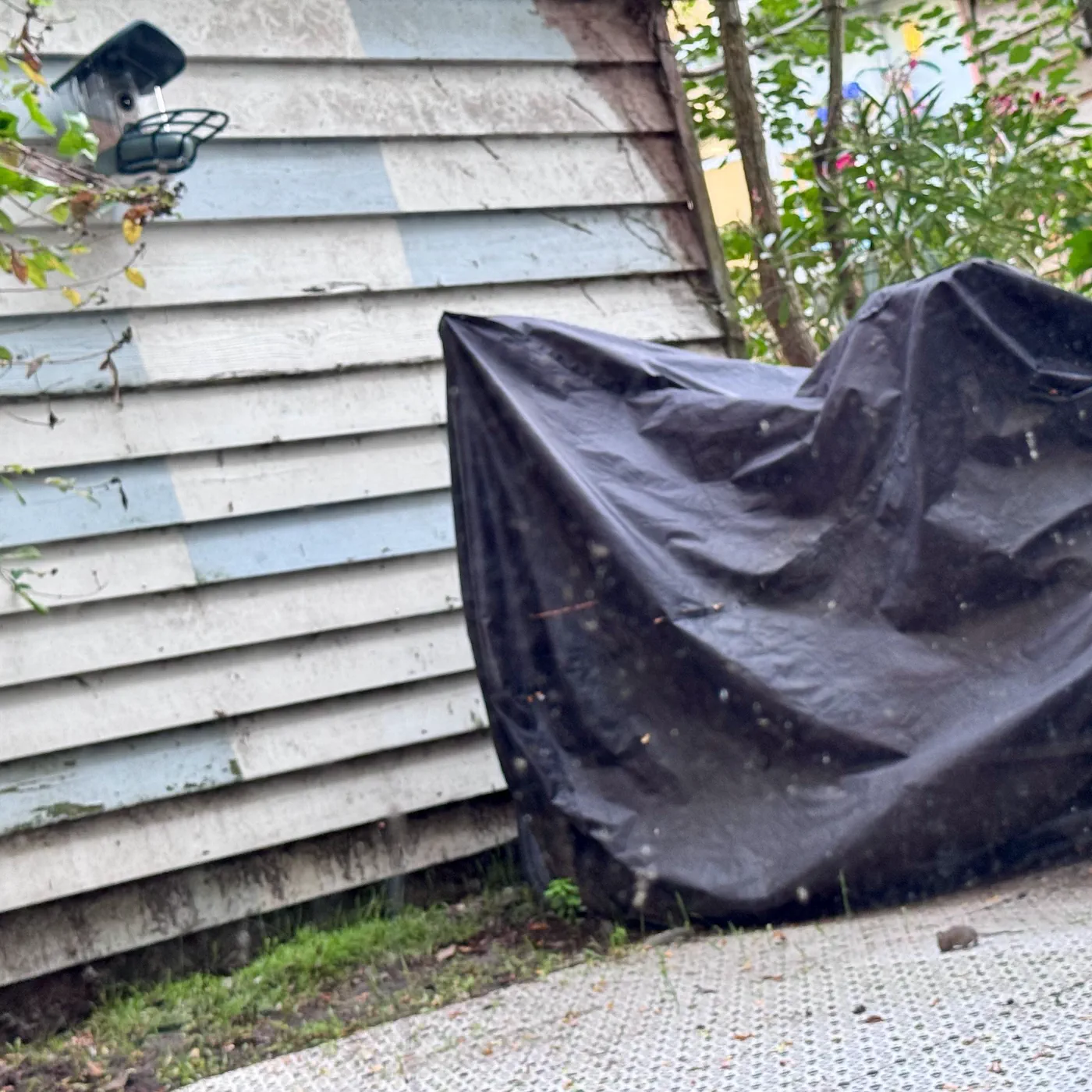 Photo: The Verge (source)
Before spending nearly $300 on a camera-equipped smart feeder, homeowners should evaluate whether their property setup can safely manage wild foraging.
- Audit the Location: Avoid mounting smart feeders directly to fences, deck railings, or low tree branches where squirrels and rats have easy climbing access. Freestanding metal poles positioned at least 10 feet away from launch points are vastly safer.
- Install a Physical Baffle: Do not rely on smart sirens or camera lights to deter pests. A wide, wrap-around metal or polycarbonate baffle mounted underneath the feeder on a pole remains the only proven physical deterrent against rodents.
- Select Low-Mess Seed: Traditional mixed birdseed containing filler grains like red milo or cracked corn is routinely shoveled onto the ground by selective birds. Use hulled black-oil sunflower chips or safflower seed, which rodents find less appealing and birds consume completely without leaving debris.
- Start Analog First: Before investing in an expensive gadget, test a basic $20 wooden or plastic tube feeder for a month. If pigeons or rodents take over, you can address the issue without risking hundreds of dollars on unreturnable, seed-encrusted electronics.
What's Next for Smart Garden Gadgets
Manufacturers like Kiwibit and its rivals are actively updating their computer vision models to distinguish between welcome songbirds and problem species like grackles, pigeons, and rats. Future firmware releases may attempt smarter pest discouragement, such as varied audio frequencies or automated dispenser lockouts.
However, software alone cannot rewrite basic animal instincts. Until smart feeder hardware incorporates mechanically reinforced, weight-triggered baffles alongside their 4K cameras and AI chips, backyard birdwatchers will remain responsible for managing the messy ecological consequences of open garden feeding.
FAQ
Why did Thomas Ricker take down the Kiwibit Bird Feeder 2 Pro? Ricker removed the device after large feral pigeons overtook the feeder for extended periods, blocked the camera, and scattered seeds that attracted mice into his garden.
Does the Kiwibit Bird Feeder 2 Pro require a monthly subscription? When bought directly from Kiwibit, the Feeder 2 Pro includes lifetime AI bird identification and 60 days of rolling cloud storage with no mandatory recurring monthly subscription, though certain third-party retail bundles offer subscription-based models.
Can an AI siren deter pigeons and squirrels? In real-world testing, electronic buzzers and sirens rarely deter determined pests, as animals quickly realize the noise poses no actual physical danger and continue eating.
How can you prevent rodents from invading a smart bird feeder? Mount the feeder on a dedicated metal pole at least 10 feet from walls or trees, attach a specialized squirrel and rodent baffle below the feeder, and use no-mess sunflower hearts to prevent seed accumulation on the lawn.