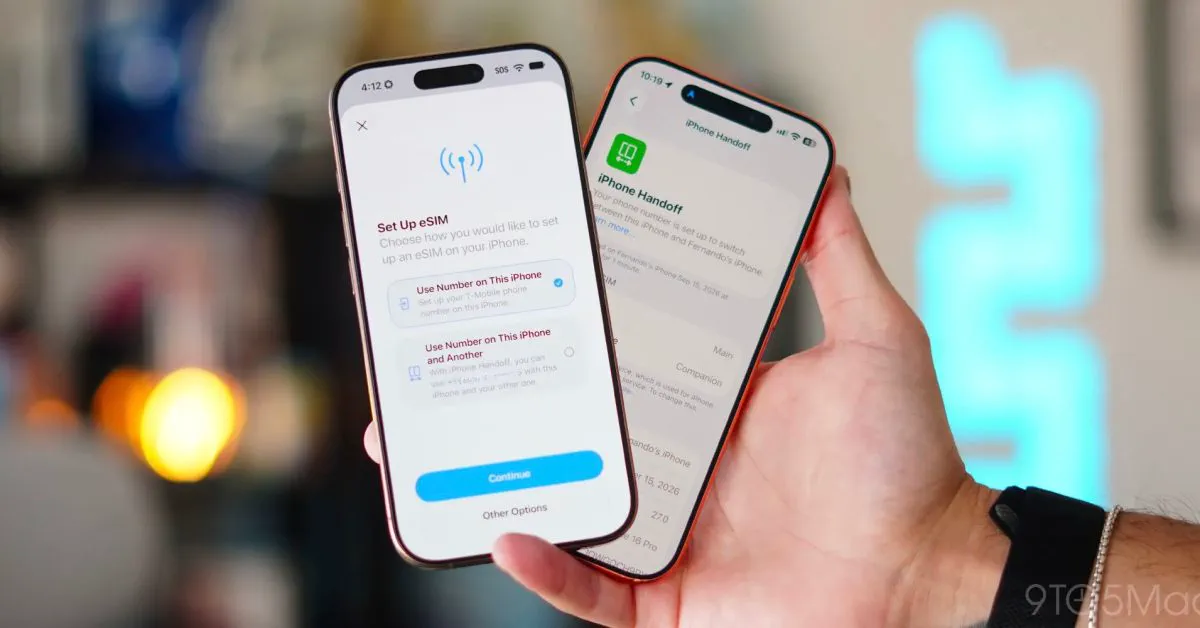
Verizon has officially confirmed that it will charge subscribers $10 per month to use Apple's new iPhone Handoff capability. The announcement, delivered on Friday alongside pre-orders for Apple's foldable iPhone Duo, establishes the carrier's pricing structure for the iOS 27 feature that lets users seamlessly switch a single cellular phone number across two separate iPhones.
The move puts Verizon's pricing at exactly double what domestic competitor T-Mobile charges for the identical network service. While Apple introduced the technology as a flagship convenience designed to eliminate the friction of manually switching between two handsets, the growing roster of carrier-level monthly surcharges underscores how telecommunications providers view multi-device continuity as an incremental revenue stream rather than an included platform service.
What Verizon Announced
Verizon confirmed the new recurring add-on fee in official documentation tied to its iPhone Duo and iPhone 18 Pro commercial rollout. The carrier stated that iPhone Handoff support will arrive before the end of the year, fulfilling the carrier adoption roadmap Apple originally previewed in September.
"Verizon will support iPhone Handoff, giving customers the flexibility to use a single Verizon phone number seamlessly across two compatible iPhone models," the carrier stated. "Whether using the pocketable iPhone Duo on the go or iPhone 18 Pro for work, customers can switch active status between devices at any time while keeping full access to Verizon's 5G network. iPhone Handoff will be available from Verizon for $10/month on compatible iPhone models running iOS 27."
The company confirmed that the feature will integrate with its existing 5G Ultra Wideband network and retail wireless tiers, but unlike certain international competitors, Verizon has not announced plans to bundle the fee into higher-tier premium unlimited offerings at launch.
Watch: iOS 27 iPhone Handoff is Incredible! - Setup & How It Works

Video: zollotech on YouTube
How iPhone Handoff Works Under the Hood
 Photo: macrumors.com (source)
First previewed at WWDC and detailed during Apple's "Surprise and Shine" product keynote in September, iPhone Handoff brings an experience long enjoyed by Apple Watch owners to the smartphone form factor. Instead of treating a secondary device as a completely distinct cellular line with an independent phone number, iPhone Handoff synchronizes one line across two handsets.
However, the technology does not turn two devices into simultaneously ringing phones. Instead, it works as an intelligent, automated network transfer:
- Dynamic Activation: The cellular number becomes active on whichever device you unlock and use.
- Synchronized State: Text messages, voice calls, voicemails, and Find My telemetry route automatically to the active handset.
- Shared Cellular Allowance: The secondary phone consumes the voice minutes, SMS allowances, and 5G data of the primary plan.
- Dual SIM Coordination: If an iPhone uses Dual SIM, both eSIM profiles can transition together, provided both underlying carriers support the standard.
Because the underlying operation requires real-time network-side routing rather than mere cloud syncing, Apple must coordinate directly with cellular network cores. An eSIM profile on each device must remain provisioned and authenticated on the provider's Home Location Register (HLR) or Unified Data Management (UDM) system, ready to route incoming calls and data sessions the moment the user transitions.
Carrier Pricing and Availability Comparison
Carrier approaches to Apple's new protocol vary widely across regions. In the United States, carriers have diverged dramatically between aggressive add-on fees and outright non-participation. European operators, meanwhile, have chosen to fold the capability into pre-existing MultiSIM structures.
| Carrier | Region | Monthly Cost | Included Free in Plans? | Availability Status |
|---|---|---|---|---|
| Verizon | United States | $10/month | No | Coming by late 2026 |
| T-Mobile | United States | $5/month | No | Available now (launched Sept. 14) |
| AT&T | United States | N/A | No support planned | Not participating |
| Deutsche Telekom | Germany | €6.95/month | Free on MagentaMobil L & XL | Available now |
| EE | United Kingdom | £5/month | Free on Full Works Plus | Launching late 2026 |
Verizon’s $10 monthly rate matches what the carrier historically bills for connected accessory lines, such as standalone Apple Watches or cellular iPads. By contrast, T-Mobile positioned its $5 add-on as an introductory utility fee, stating that the price covers network infrastructure overhead required to maintain standby provisioning across two primary hardware IDs.
The Hardware Push: Foldables and Companion Phones
 Photo: macrumors.com (source)
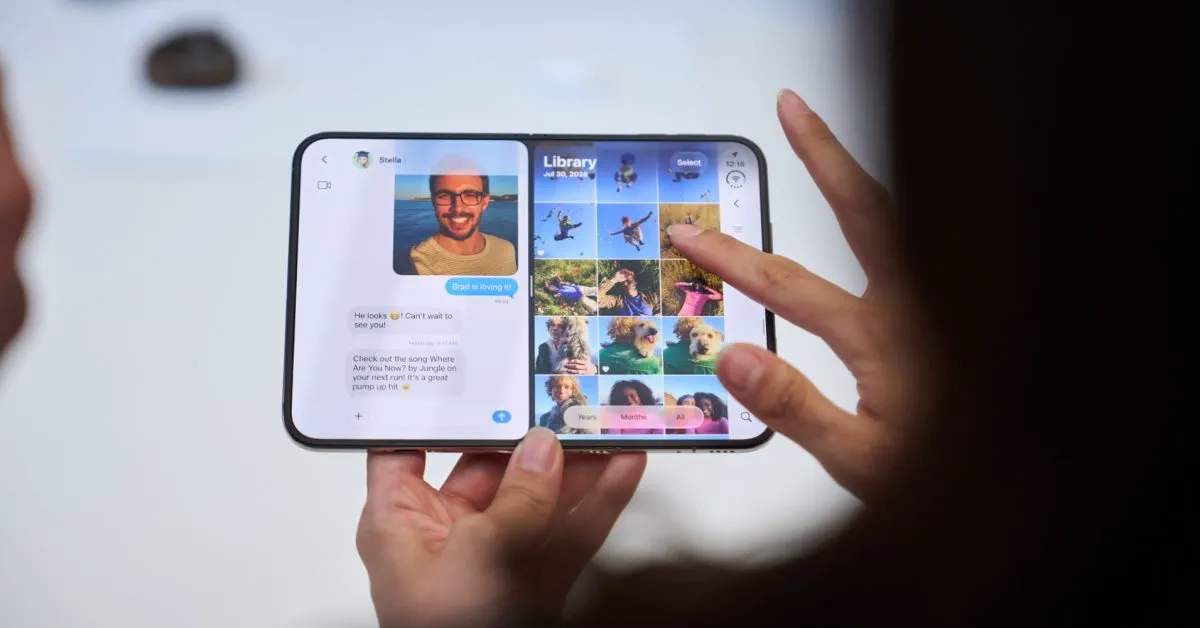
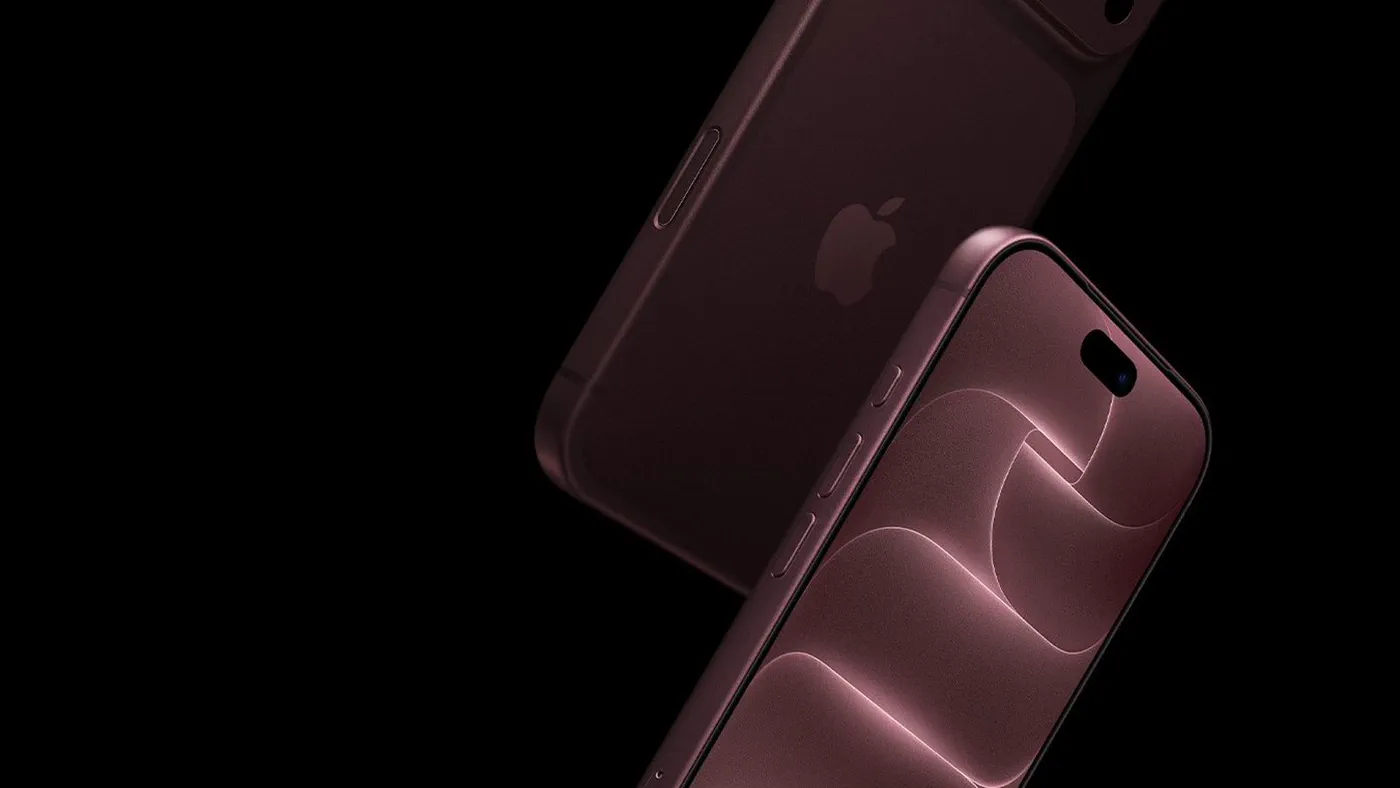
Apple's decision to engineer iPhone Handoff coincided directly with the expansion of its smartphone lineup. With the introduction of the folding iPhone Duo alongside standard slab flagships like the iPhone 18 Pro and iPhone 18 Pro Max, user behavior is expected to shift toward multi-device ownership.
Power users and business professionals frequently carry a compact handset during travel or outdoor workouts, switching to a larger or foldable device for productivity, gaming, and media consumption. In past iOS generations, doing so required either maintaining two separate telephone numbers or navigating the multi-minute manual eSIM transfer wizard inside iOS Settings every single time a device was swapped.
With iPhone Handoff, picking up and authenticating with Face ID or Touch ID shifts the carrier routing immediately. While the hardware appeal is obvious, the total cost of ownership jumps significantly: buyers paying for two flagship devices must now budget an extra $120 annually on Verizon simply to maintain line flexibility between them.
Consumer and Industry Reaction
The pricing announcement triggered immediate debate among mobile tech analysts and consumers. Critical reactions have centered on the fundamental limitation of the feature: unlike an Apple Watch line or a secondary tablet line, iPhone Handoff explicitly does not allow simultaneous network activity on both devices.
When a user picks up one phone, the other phone drops off the cellular network for incoming calls and direct cellular data, operating purely on Wi-Fi or going idle. Industry commentators on MacRumors forums and social platforms quickly pointed out that charging $10 per month—the exact same price as a fully independent, concurrently active connected device—feels disproportionate for an active-standby toggle.
When T-Mobile initially announced its $5 fee, a company spokesperson argued that "the $5/month charge reflects the added service that powers the experience on both devices." However, with Verizon doubling that benchmark without adding concurrent calling or separate secondary data allowances, consumer advocates argue carriers are turning core operating system continuity into a paid recurring toll.
The AT&T Divide: Why One Carrier Sat Out
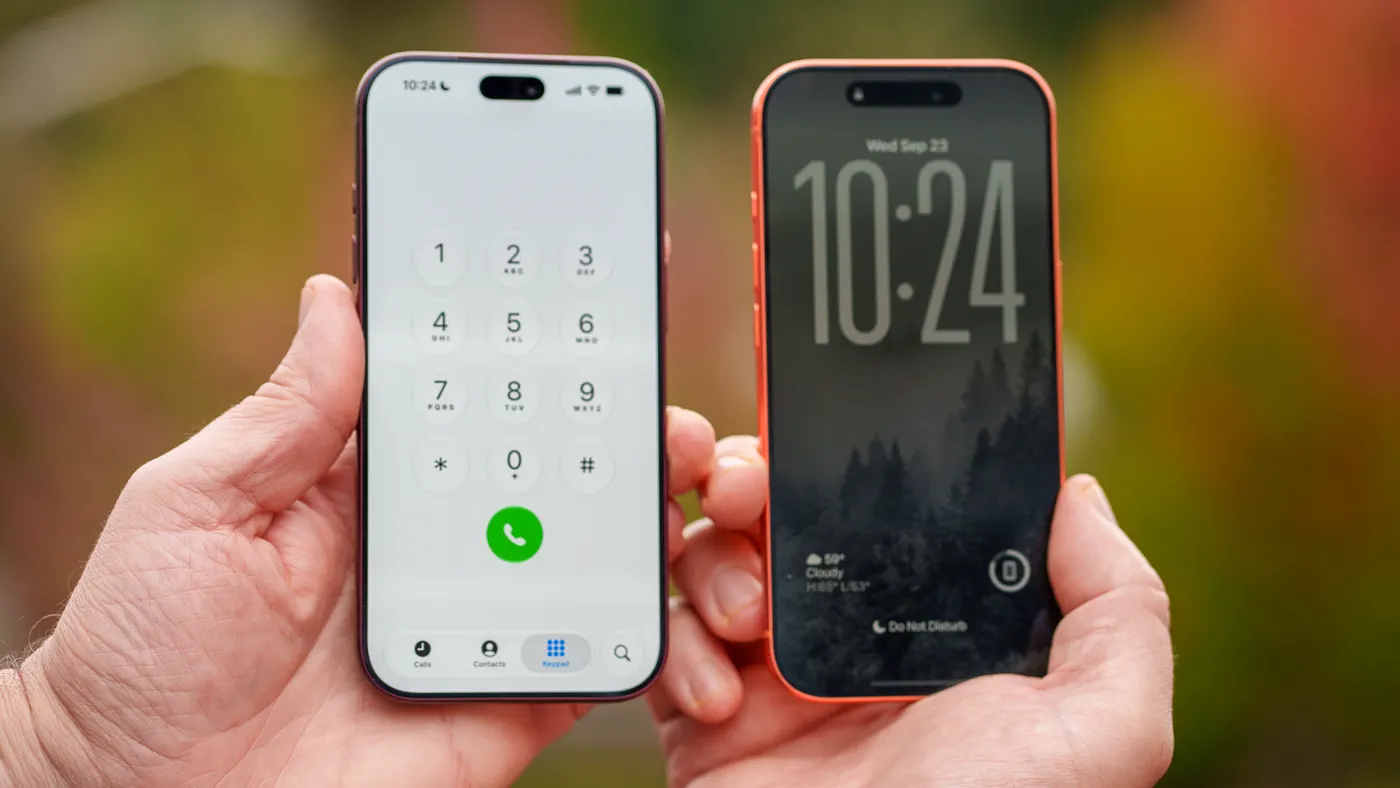 Photo: cnet.com (source)
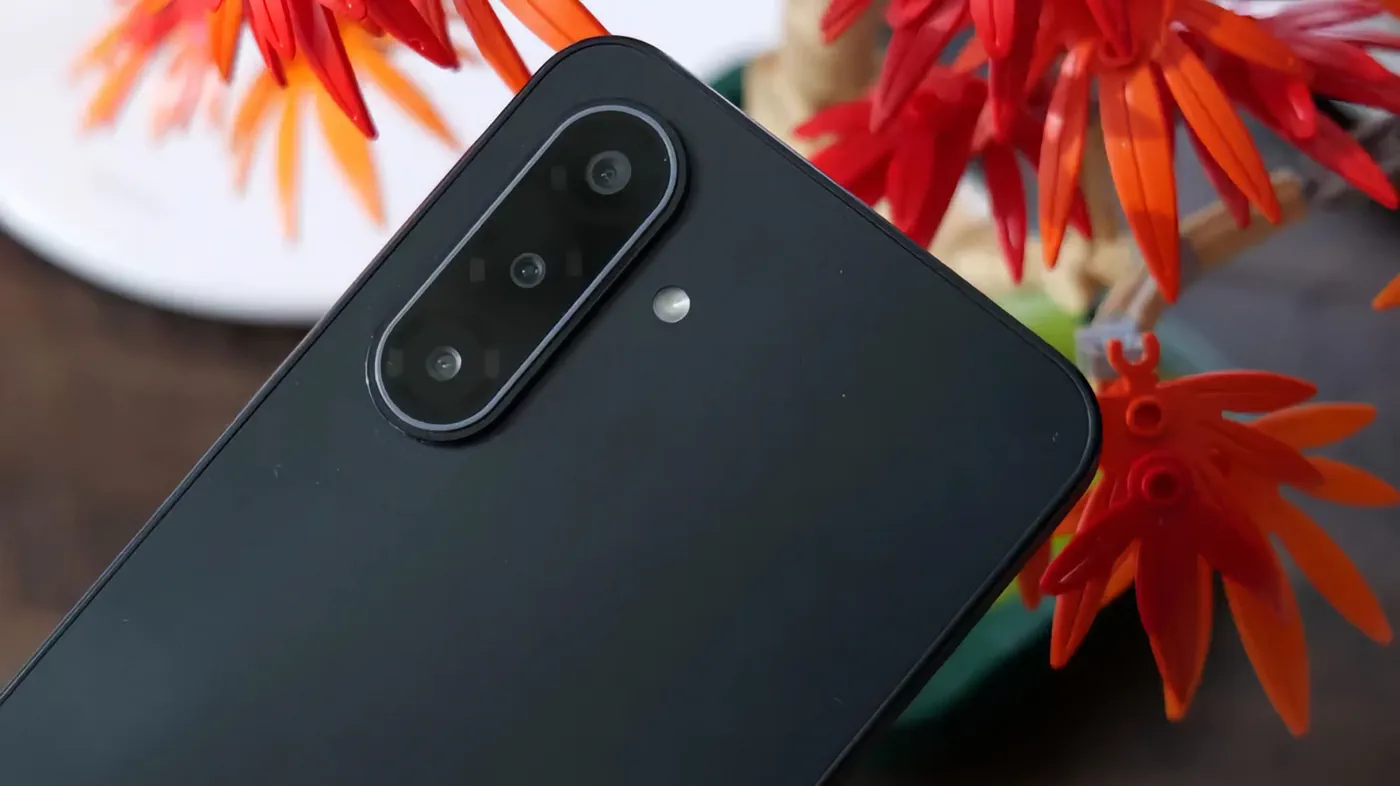
While Verizon and T-Mobile have embraced the feature as a monetization opportunity, AT&T has declined to participate altogether.
When questioned regarding its omission from Apple’s launch partner list, an AT&T representative stated: "While we see that there could be potential in capabilities like iPhone Handoff, our focus remains on delivering innovations that make life simpler and keep customers connected with confidence." The company directed subscribers instead to its "existing eSIM activation and transfer options across compatible devices."
For AT&T customers, switching a cellular line between two iPhones remains free, but manual. Users must open the Settings app, navigate to Cellular, select "Transfer from Nearby iPhone," and wait for Bluetooth and carrier handshake protocols to finish. While it saves $60 to $120 a year, it eliminates the zero-friction experience Apple showcased during its launch demonstrations.
Practical Setup and Advice for Users
For Verizon subscribers planning to use iPhone Handoff when the rollout arrives later this quarter, several system requirements must be met before paying the fee:
- Software Baseline: Both iPhones must run iOS 27 or later. Older devices limited to earlier operating systems cannot participate.
- Identity and Sync: Both devices must be signed into the same Apple Account (formerly Apple ID) with Messages in iCloud and iCloud Keychain enabled.
- Initial Pairing: Wi-Fi and Bluetooth must be active during the initial setup inside Settings > Cellular > iPhone Handoff.
- Apple Watch Limitations: Apple notes that an Apple Watch will not automatically hop between both phones via Handoff. The smartwatch must remain paired to the user's primary daily driver.
If you frequently switch phones only once every few weeks or months—such as during vacation or seasonal work—subscribers are advised to skip the paid add-on and continue using the manual, free eSIM transfer tool built into iOS. The $10 monthly fee is justifiable primarily for users who change handsets on a daily or alternating basis.
What's Next
Verizon’s confirmation solidifies the U.S. pricing baseline for dual-phone continuity features. With pre-orders for the iPhone Duo underway and units scheduled to reach customers shortly, Verizon is expected to flip the switch on the network backend before the close of 2026.
The remaining question is whether consumer resistance will pressure carriers to revisit standalone fees. In Europe, competitive pressure led Deutsche Telekom and EE to bundle the feature into existing high-end tariffs. Whether Verizon or T-Mobile eventually includes iPhone Handoff in top-tier offerings like Unlimited Ultimate or Go5G Next remains an open question as adoption numbers emerge in 2027.
FAQ
Can both iPhones ring at the exact same time with iPhone Handoff?
No. iPhone Handoff is an active-switch system, not a second independent phone line. Only the iPhone you are currently using or have most recently unlocked is active on the cellular network; the other device remains in standby.
Why does Verizon charge $10 while T-Mobile charges $5?
Carriers set their own pricing for proprietary network services. Verizon chose to align iPhone Handoff pricing with its existing connected device tiers (such as tablets and smartwatches) at $10 per month, whereas T-Mobile introduced it at a $5 promotional tier.
Can AT&T customers use iPhone Handoff?
No. AT&T has opted out of supporting Apple's iPhone Handoff protocol for the foreseeable future, requiring its users to use traditional, manual eSIM transfers instead.
Do both iPhones need to be the same model?
No. Both devices simply need to be running iOS 27 and be linked to the same Apple Account. You can pair an iPhone Duo with an iPhone 18 Pro, or pair older compatible models.