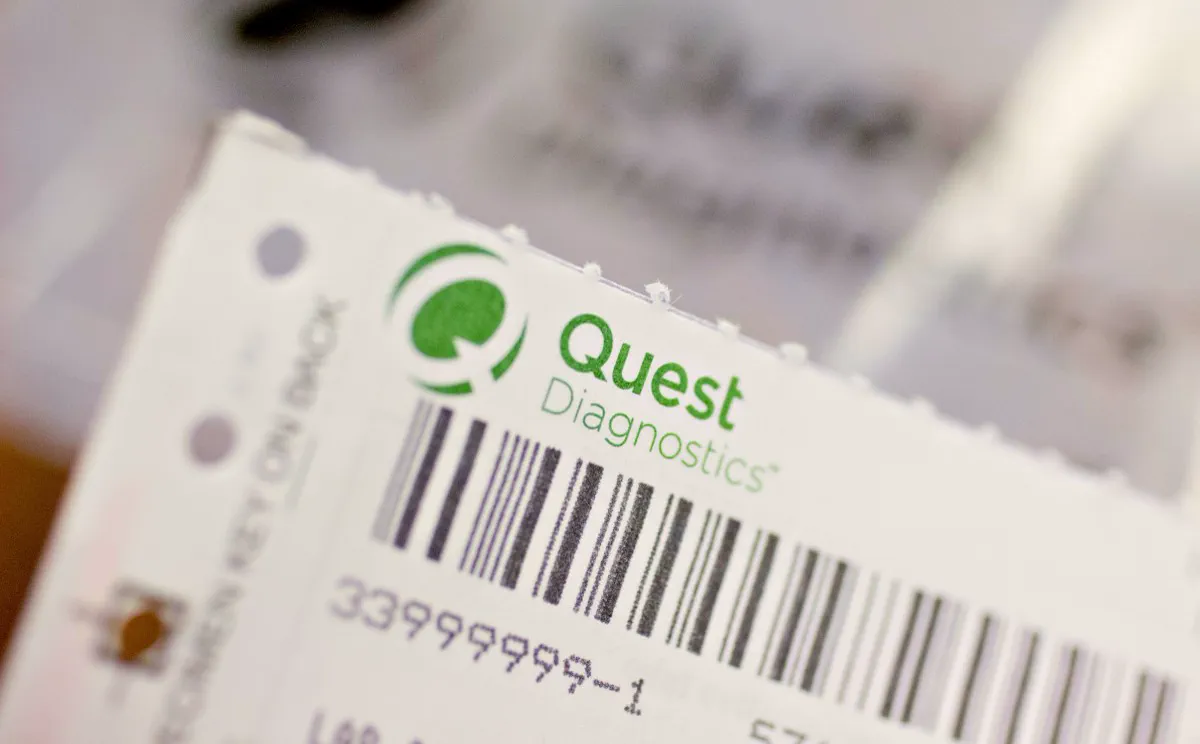
Clinical laboratory giant Quest Diagnostics confirmed this week that unauthorized hackers breached one of its primary clinical software platforms, exposing patients' personal and medical information. The Secaucus, New Jersey-based testing company detected the network intrusion on October 21, 2026, prompting an emergency shutdown of the affected system and triggering a federal investigation.
Quest is one of the largest diagnostic test providers in the United States, processing lab work for approximately one in three American adults each year and partnering with roughly half of all domestic hospitals and doctors. While the company maintains that core lab processing operations remain fully operational, the compromise of sensitive medical records inside an internal portal adds another troubling chapter to the worsening security crisis across the healthcare sector.
What Happened: Breach of the Quanum System
According to a Form 8-K regulatory filing submitted to the U.S. Securities and Exchange Commission (SEC), Quest discovered unauthorized activity within its Quanum Lab Services Manager (LSM) environment. Quanum LSM serves as a digital bridge between healthcare providers and Quest facilities, enabling physicians, clinics, and hospital staff to submit diagnostic test orders, track sample progress, and retrieve patient laboratory results.
Upon identifying the suspicious activity on October 21, Quest launched emergency containment procedures and temporarily severed internet access to the Quanum LSM portal to prevent further data exposure. In an incident update, the company confirmed that the intruder gained access to files containing protected health information (PHI) alongside personally identifiable information (PII).
Quest noted that it brought in external cybersecurity forensic specialists to analyze server logs and pinpoint how the attacker bypassed authentication. Federal law enforcement authorities were notified immediately following the discovery.
Watch: Quest Diagnostics reports cyber breach affecting ‘certain patient records’

Video: WTNH News8 on YouTube
The Concrete Details: Impact, Timeline, and Affected Platforms
 Photo: scworld.com (source)
While Quest has officially acknowledged that patient records were accessed, forensic investigators are still working to determine the full scope of the breach and the total number of individuals impacted. The diagnostic provider operates more than 7,700 access points—including approximately 2,000 dedicated patient service centers across the country—meaning any software touching its diagnostic pipeline handles vast quantities of sensitive records.
Crucially, Quest clarified that other internal ordering pipelines remained untouched. Direct Electronic Medical Record (EMR) integrations, Laboratory Information System (LIS) interfaces, and the Quanum eLabs application were not breached. However, as a precaution, Quest temporarily limited access to ancillary tools including LabHQ and Essential Insights.
| Detail | Breach Specifics & Operational Status |
|---|---|
| Company Affected | Quest Diagnostics Incorporated (NYSE: DGX) |
| System Breached | Quanum Lab Services Manager (LSM) |
| Date Detected | October 21, 2026 |
| SEC Disclosure Date | October 22, 2026 (Form 8-K) |
| Data Categories Exposed | Protected Health Information (PHI) & Personally Identifiable Information (PII) |
| Patient Records Impacted | Under active forensic determination |
| Operational Disruption | None to diagnostic testing; orders redirected to eLabs and eFax |
| Targeted Service Resumption | October 23, 2026 |
To keep clinical ordering uninterrupted, Quest redirected affected physicians to alternative workflows, providing access through Quanum eLabs with existing user credentials alongside physical paper requisitions, customer support lines, and secure eFax transmissions.
Quest Diagnostics' Security Track Record
This incident is not the first time Quest Diagnostics has grappled with compromised patient data. The company has weathered several high-profile security incidents over the past decade that exposed medical and financial records for millions of consumers:
- The 2016 Care360 Breach: An unauthorized third party breached the Care360 patient portal application, compromising the personal details, laboratory results, and contact data of approximately 34,000 individuals. That incident spurred class-action litigation that Quest ultimately settled in federal court.
- The 2019 AMCA Supply Chain Attack: In one of the most severe healthcare breaches of that decade, hackers breached the web billing portal of American Medical Collection Agency (AMCA), an external collection vendor contracted by Quest's billing partner. The compromise exposed the financial data, Social Security numbers, and personal details of roughly 11.9 million Quest patients, eventually forcing AMCA's parent company into Chapter 11 bankruptcy.
Unlike the 2019 AMCA incident—which stemmed from a third-party vendor and did not include actual laboratory results—the newly disclosed 2026 breach occurred directly on an internal Quest platform explicitly designed to transmit orders and diagnostic test results.
Healthcare Under Siege: The Broader Landscape
 Photo: securityweek.com (source)
Quest's disclosure arrives amid a severe escalation in cyberattacks targeting the healthcare and medical technology industries. The medical sector has increasingly become prime real estate for cybercriminals because digital patient records command a steep premium on dark web forums. A single comprehensive patient profile often contains immutable identifiers: Social Security numbers, insurance ID numbers, clinical histories, and contact info that can be used for insurance fraud, spear phishing, and identity theft.
The healthcare industry has suffered several devastating supply chain shocks in recent years, including the massive 2024 attack on Change Healthcare that snarled pharmacy claims and clinical payments across the U.S. and impacted an estimated 192.7 million individuals. Throughout 2026, other prominent medical giants and device makers—including Boston Scientific, Medtronic, and Stryker—have also faced determined intrusion attempts.
Quest also moved quickly to address widespread technical rumors: the company confirmed to reporters that its incident was entirely unrelated to the newly discovered "php2shell" vulnerability that shook web infrastructure globally earlier in the week.
Official Responses and Remediation Efforts
In its regulatory statement signed by Corporate Secretary Sean D. Mersten, Quest emphasized that it acted swiftly to isolate the intrusion. "The company initiated its incident response protocol to contain the activity, and remedial measures have been implemented to prevent further unauthorized access," the firm stated in regulatory disclosures.
Quest insisted to investors that the security event "has not materially disrupted its business operations or its ability to serve patients". The diagnostic giant set an internal goal to restore full platform access as early as October 23, 2026, pending forensic clearance.
Cybersecurity experts point out that isolating an internal system within hours is critical to prevent lateral movement, but the presence of external actors inside a production portal underscores persistent access management challenges. Threat intelligence analysts note that healthcare networks must implement stricter micro-segmentation to verify that a compromised credential in a provider-facing portal cannot be used to harvest database tables wholesale.
What Patients and Healthcare Providers Should Do
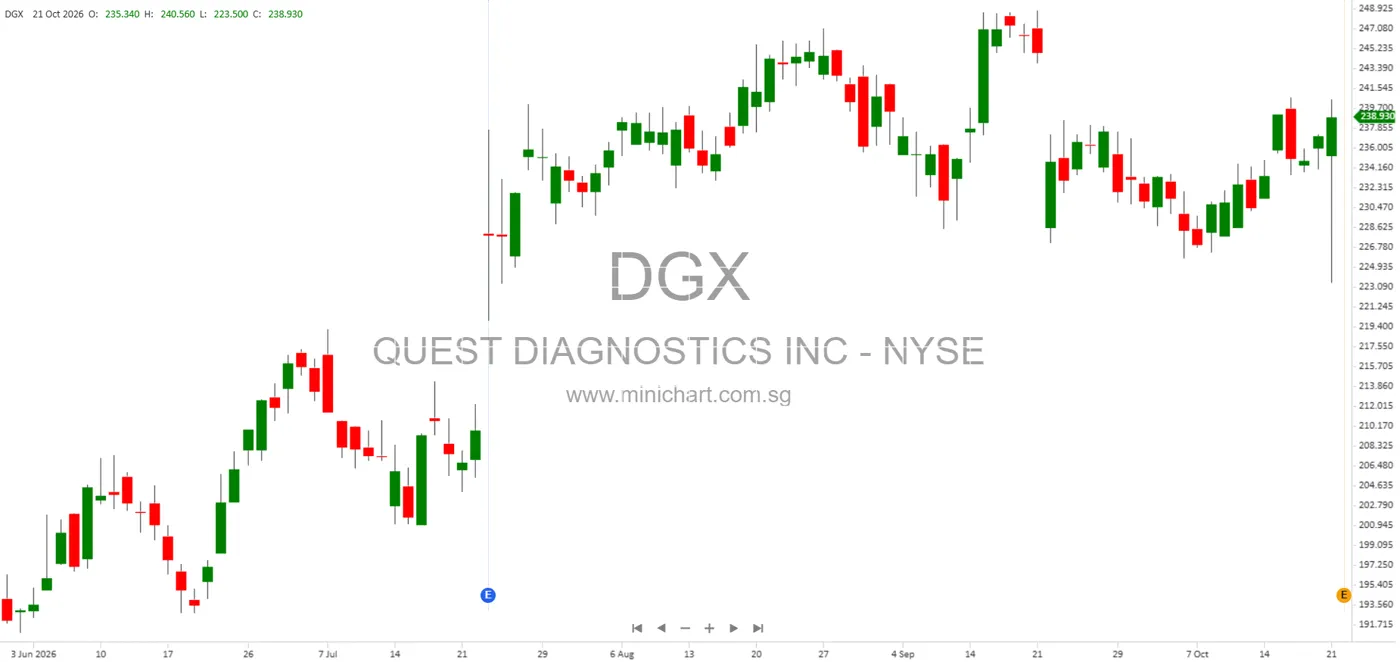 Photo: minichart.com.sg (source)
Even though Quest has not completed its audit of specific accounts compromised, patients who have completed blood work, pathology screenings, or routine diagnostics through Quest in recent months should take defensive steps:
- Watch for Explanation of Benefits (EOB) Anomalies: Regularly inspect statements from your health insurance carrier. Watch for claims for procedures, lab panels, or clinical visits you never had.
- Be Vigilant Against Medical Phishing: Attackers armed with real lab test names and clinical dates can craft highly persuasive phishing emails or SMS messages impersonating your doctor, hospital, or Quest itself. Never click email links requesting identity confirmation or payment.
- Freeze Credit Reports: Place a complimentary credit freeze with Equifax, Experian, and TransUnion. A freeze prevents malicious actors from opening credit cards or medical financing lines using your compromised personal information.
- Practice Portal Hygiene: If you access the Quest MyQuest patient portal, update your account password immediately and verify that two-factor authentication (2FA) is turned on.
Healthcare providers who rely on Quanum LSM should monitor internal accounts for suspicious access logs, rotate provider API credentials, and verify that staff route critical orders through verified secondary channels like eLabs until Quest certifies the system clean.
Next Steps and Unanswered Questions
Several pivotal questions remain unanswered. Quest has not confirmed whether the intruder exfiltrated data or simply browsed records before being ejected. The identity or affiliation of the threat actor has not been determined, and no ransomware group has claimed credit for the breach.
Under federal Health Insurance Portability and Accountability Act (HIPAA) regulations, Quest is legally required to notify affected individuals and the U.S. Department of Health and Human Services (HHS) Office for Civil Rights within 60 days of discovering a breach affecting 500 or more people. As forensic experts sift through database queries and server logs, the true number of impacted Americans will come to light.
Regulatory bodies and state attorneys general are expected to launch formal inquiries into whether Quest maintained adequate safeguards to protect confidential clinical data.
Frequently Asked Questions
Were my laboratory test results stolen?
Quest has acknowledged that patient records containing personal information and protected health information were accessed, but the company has not yet confirmed the exact files or specific lab results viewed by attackers. Forensic investigators are currently reviewing audit logs to determine which specific records were compromised.
Are Quest Diagnostics clinics still open and processing blood tests?
Yes. Quest confirmed that its diagnostic testing operations, patient service centers, and specimen laboratories are operating normally without material disruption.
How will I know if my records were included in the breach?
Quest is required by federal HIPAA rules to issue written breach notifications to all impacted patients once individuals are identified by the forensic investigation. If your records were compromised, you will receive a direct notification letter via mail or secure electronic communication.
Is this breach connected to the recent global PHP vulnerability?
No. Quest Diagnostics confirmed directly to reporters that this intrusion is entirely separate from the widespread "php2shell" security flaws recently discovered in web infrastructure.
What should I do right now to protect myself?
Review your recent medical explanation of benefits statements, place a fraud alert or freeze on your credit reports with the three major bureaus, and beware of unsolicited phone calls, texts, or emails claiming to be from healthcare providers or Quest.