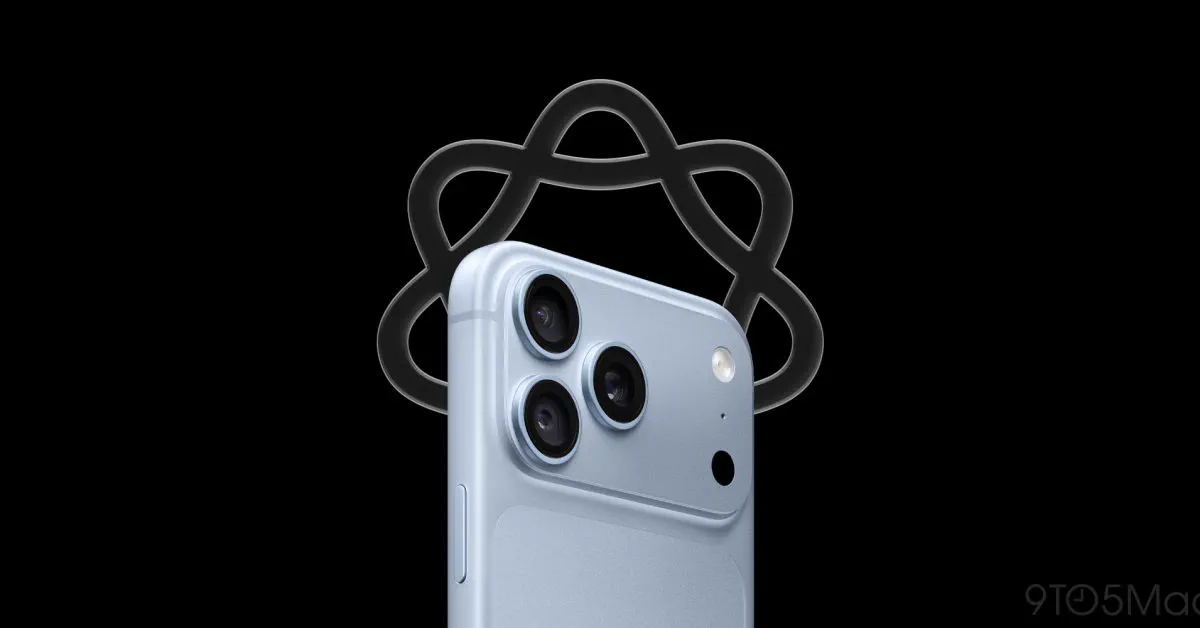
Apple has officially confirmed that Apple Intelligence will roll out to mainland China in December with the public release of iOS 27.3, marking the end of a two-year regulatory standstill in one of the tech giant’s most critical markets. Developer beta testing for the Chinese rollout begins on November 4, 2026, delivering core generative capabilities powered by a localized partnership with Alibaba rather than OpenAI.
While this software update delivers long-awaited tools like Writing Tools, photo Clean Up, and Genmoji to Chinese consumers, it comes with a major caveat: the fully revamped Siri AI with personal context and onscreen awareness remains unavailable. Here is everything included in iOS 27.3, how Apple tailored its software to navigate strict local regulations, and what iPhone owners in China can expect.
What Apple Announced for iOS 27.3 in China
Apple detailed the China launch through a dedicated press release on its Chinese Newsroom rather than a global announcement. According to the company, Apple Intelligence testing begins with the latest iOS developer beta on November 4, 2026, leading directly into a scheduled public release in mid-December alongside the broader launch of iOS 27.3.
The software package brings generative AI experiences to mainland Chinese iPhones for the first time since Apple Intelligence debuted internationally in 2024. However, Apple confirmed that this initial release is strictly exclusive to the iPhone. Compatible iPads, Macs running macOS 27.3 Golden Gate, and Apple Vision Pro will have to wait for subsequent software cycles while Apple pursues additional regulatory clearances.
The Features Included: The Core Suite and the Siri AI Omission
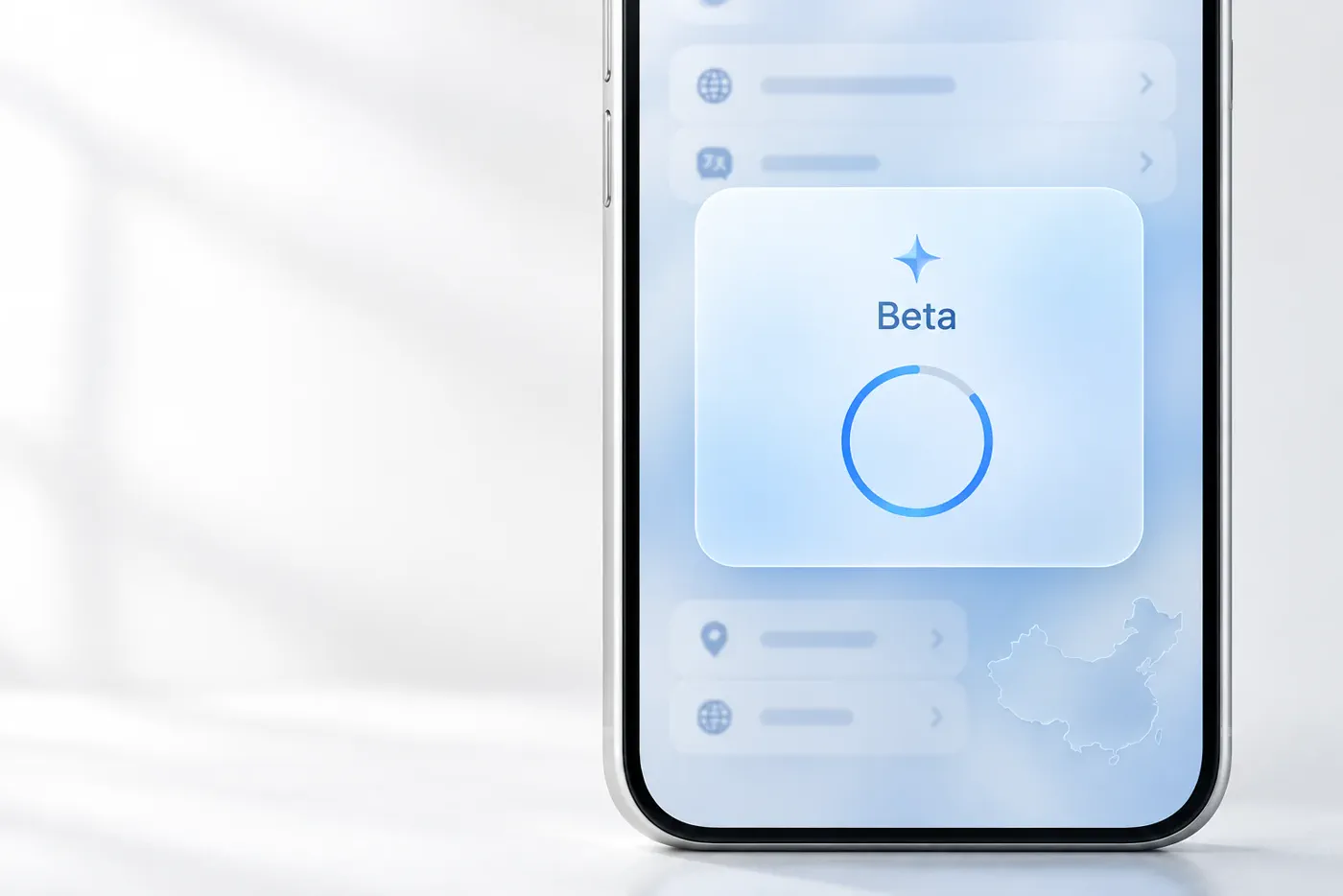 Photo: switchingtomac.com (source)
The initial rollout gives eligible iPhone users in China access to the first generation of Apple Intelligence features alongside local cloud intelligence. These tools span visual, productivity, and communication workflows:
- Writing Tools: System-wide capabilities to proofread, rewrite, adjust tone, and summarize text across native and third-party apps.
- Photos Enhancements: The Clean Up tool to remove photobombers and distracting objects, natural-language search in Photos, and automated Memory Movie generation.
- Visual Intelligence: Real-time object and scene identification via the iPhone camera control.
- Notifications and Communication: Priority Notifications, Reduce Interruptions focus filter, notification summaries, and Priority Mail summaries.
- System Utility: Smart Reply in Messages and Mail, live call recording and transcription summaries, Notes audio transcription summaries, and Type to Siri.
- Generative Media: Custom emoji creation with Genmoji and Live Translation through AirPods.
Crucially, Apple clarified that this update does not include the next-generation Siri AI features introduced at WWDC 2026. Chinese iPhone owners will not receive the rebuilt digital assistant capable of cross-app execution, deep personal index context, or complete onscreen awareness. Instead, voice interaction in China remains limited to the standard Siri engine supplemented by basic generative text and image inquiries.
The Alibaba Partnership: Swapping OpenAI for Qwen
Under regulations enforced by the Cyberspace Administration of China (CAC), all public-facing generative artificial intelligence algorithms must pass strict security assessments and be owned or operated by registered domestic entities. Because Apple's Western foundation model partner—OpenAI's ChatGPT—is prohibited from operating in China, Apple structured a local partnership to clear regulatory hurdles.
In mainland China, Apple Intelligence routes complex world-knowledge queries, image processing, and external content generation to Alibaba's proprietary large language model, Qwen (Qianwen). Qwen is integrated directly into three key touchpoints:
- Siri: Answering general-knowledge questions, parsing technical documents, and explaining concepts.
- Writing Tools: Assisting with long-form creative writing and external content drafting.
- Visual Intelligence: Analyzing photos, documents, landmarks, and objects captured through the camera.
Alibaba confirmed that Qwen operates within Apple's privacy architecture: user requests and generated responses are opt-in, encrypted during transit, and strictly prohibited from being used to train Alibaba's foundational AI models.
Device Compatibility and Hardware Requirements
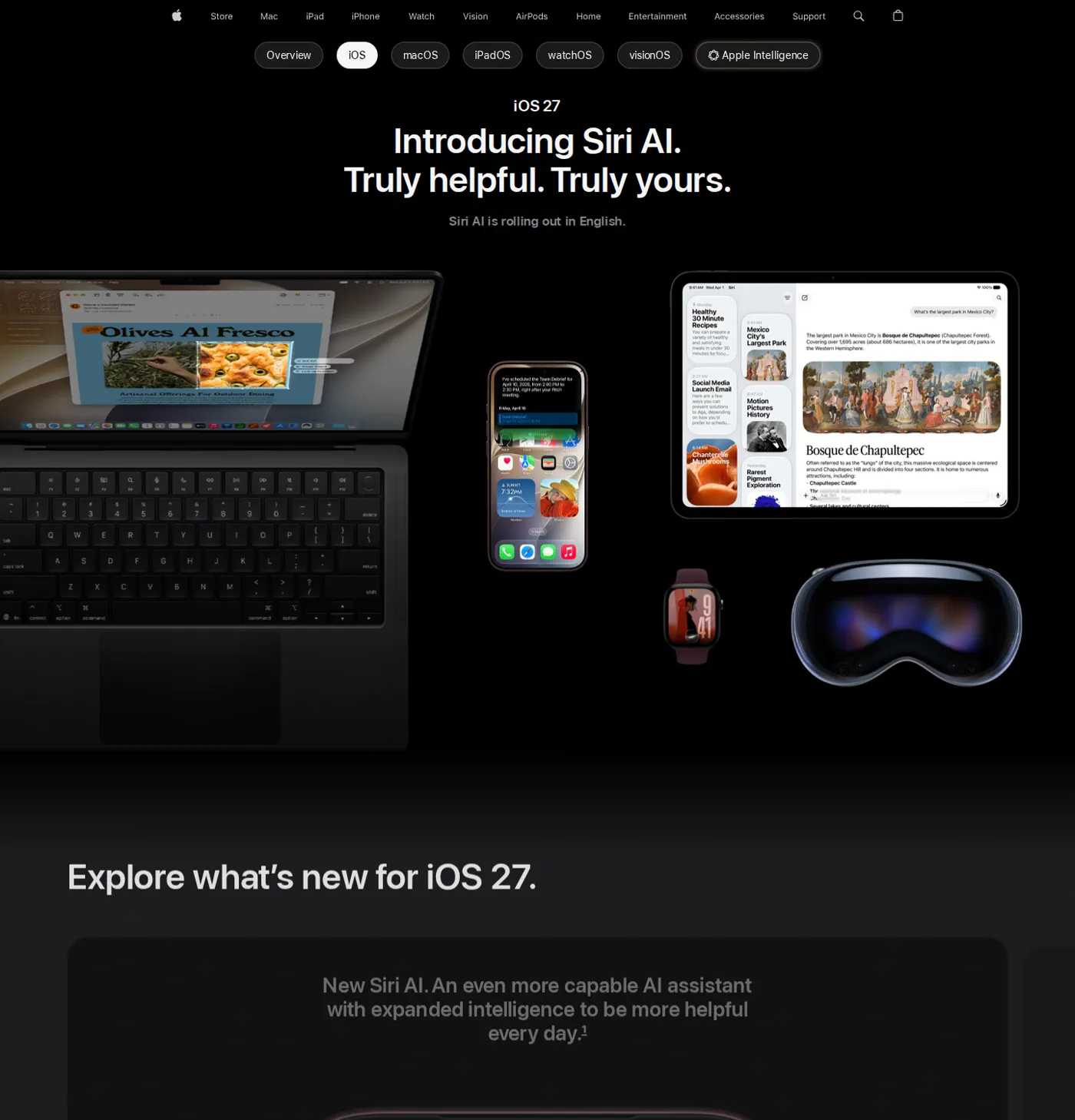 Photo: switchingtomac.com (source)
To activate Apple Intelligence in China, users must own a compatible Apple silicon device, configure their language appropriately, and meet on-device storage minimums. Devices purchased in mainland China, or global units operated in China with a local Apple Account, fall under the regional restrictions.
| Device Family | Models Supported | Launch Requirements |
|---|---|---|
| iPhone 15 Series | iPhone 15 Pro, iPhone 15 Pro Max | Simplified Chinese or English; up to 8 GB storage |
| iPhone 16 Series | iPhone 16, iPhone 16 Plus, iPhone 16 Pro, iPhone 16 Pro Max | Simplified Chinese or English; up to 8 GB storage |
| iPhone 17 / Duo Series | iPhone 17 line, iPhone Air, iPhone Duo | Simplified Chinese or English; up to 14 GB storage |
| iPad & Mac | M1–M6 iPads, M1–M6 Macs | Not supported in iOS 27.3; pending CAC approval |
| Wearables | Apple Watch Series 9+, Ultra 2+ | Mirrored summaries when paired to supported iPhone |
Both the system language and the Siri language must be set to Simplified Chinese or English. Switching Siri to an unsupported language temporarily disables Apple Intelligence features until the matching model pack is re-downloaded.
The Two-Year Regulatory Journey
Apple has faced mounting commercial pressure in China since mid-2024. While international iPhone buyers received Apple Intelligence features incrementally, mainland Chinese buyers paid premium prices for identical hardware with AI functionality locked out.
Earlier in 2026, brief software configurations erroneously enabled unapproved AI features for several hours before Apple abruptly revoked access due to pending regulatory filings. Behind the scenes, Apple negotiated with Chinese regulators and vetted domestic AI providers—including discussions with Baidu—before solidifying an integration pact with Alibaba Cloud. In July 2026, Chinese regulators formally registered Apple Intelligence for domestic use, paving the way for the Alibaba Qwen integration now arriving in iOS 27.3.
Market Impact: Competing With Native Chinese Giants
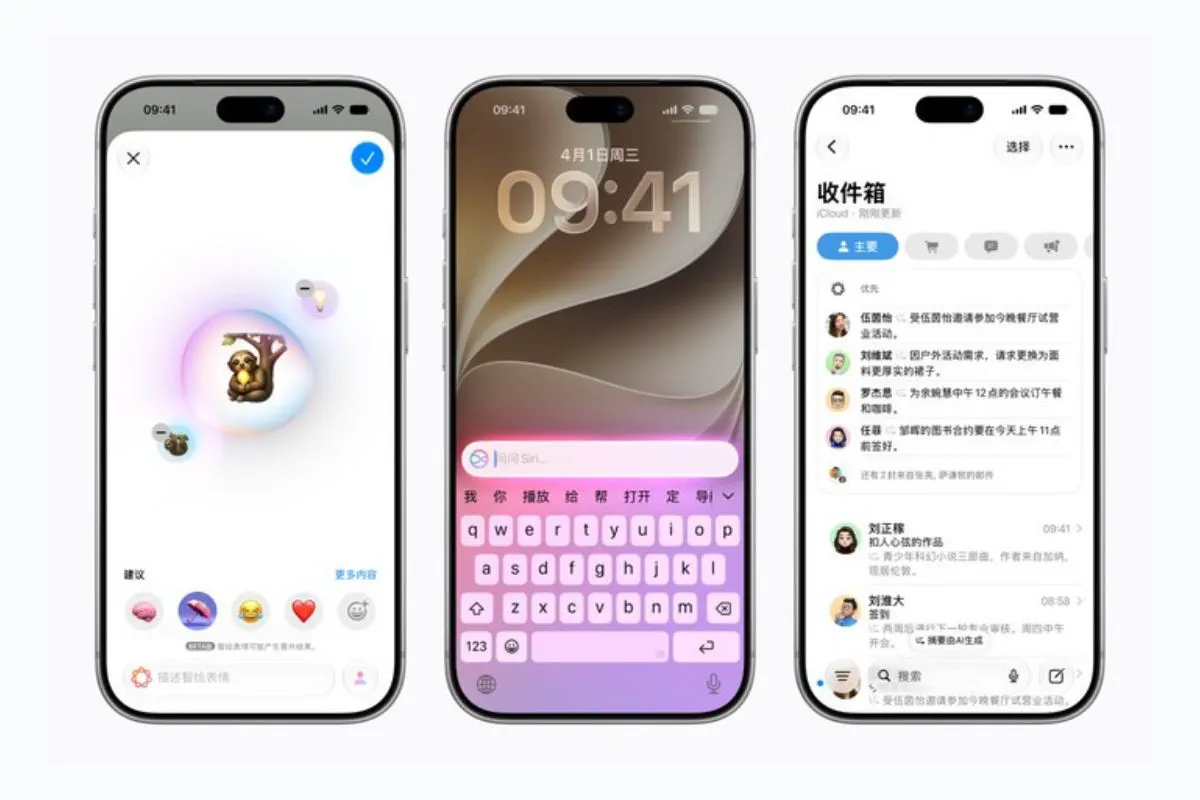 Photo: theapplepost.com (source)
The absence of native AI features has weighed heavily on iPhone sales across mainland China, where domestic competitors like Huawei, Xiaomi, and Vivo aggressively embedded localized generative AI across their flagship operating systems over the past two years. Huawei’s HarmonyOS and Xiaomi’s HyperOS boast deep integrations with native smart assistants capable of multi-step device automation and localized travel planning.
While iOS 27.3 restores competitive parity in photo editing, proofreading, and automated notification filtering, the exclusion of Siri AI leaves Apple with a competitive gap in agentic assistant capabilities. Nonetheless, integrating Alibaba's highly regarded Qwen model provides Chinese consumers with natural Mandarin comprehension and culturally relevant search generation without compromising Apple's private compute model.
What This Means for iPhone Owners
For consumers living in mainland China or holding a Chinese Apple Account, iOS 27.3 represents an immediate upgrade in productivity and convenience. Once the public update installs in December, users can activate the features by going to Settings ⇾ Apple Intelligence & Siri.
- Verify Free Storage: Apple Intelligence requires between 8 GB and 14 GB of free internal storage depending on whether you are using an iPhone 15 Pro, iPhone 16, or newer iPhone Duo/Air hardware.
- Check Language Settings: Your primary device language and Siri input must be aligned to either Simplified Chinese or English.
- Third-Party AI Transparency: Qwen prompts are explicitly flagged; your device will confirm before routing broader web and document queries to Alibaba’s infrastructure.
What Happens Next
Following the November 4 developer rollout, Apple is expected to deliver a secondary beta cycle before releasing the final build of iOS 27.3 between December 8 and December 15, 2026.
Several critical questions remain unanswered. Apple has not published a timetable for when Siri AI will clear Chinese regulatory scrutiny. Furthermore, the company has not indicated when Chinese approvals will extend to iPadOS or macOS, leaving Chinese Mac and iPad owners waiting for platform parity well into 2027.
FAQ
When will Apple Intelligence be available to the public in China? Public availability begins in December 2026 with the official launch of iOS 27.3, following developer beta testing that started on November 4, 2026.
Does Apple Intelligence in China use OpenAI's ChatGPT? No. To comply with Chinese regulations, Apple partnered with Alibaba to integrate its Qwen large language model for external query handling and generative drafting.
Is the next-generation Siri AI included in iOS 27.3 in China? No. The rebuilt Siri AI with personal context and onscreen awareness is omitted from this release and will arrive in a subsequent update once approved.
Which devices support Apple Intelligence in China under iOS 27.3? Support is exclusive to the iPhone 15 Pro, iPhone 15 Pro Max, all iPhone 16 models, iPhone Air, and iPhone Duo. Mac and iPad platforms are not included at launch.
What languages are supported for Apple Intelligence in China? At launch, users must set both their device interface and Siri language to either Simplified Chinese or English to access the features.