The first wave of Apple iPhone Duo buyers have reached the end of their standard 14-day return window, sparking widespread debate across the tech community over whether the $1,999 flagship justifies its price in everyday use. Reports from The Verge and a reader survey hosted by 9to5Mac reveal that while initial demand caused immediate multi-month shipping backorders, a vocal segment of early adopters is choosing to pack up the foldable and return to standard slab iPhones.
When Apple CEO John Ternus unveiled the iPhone Duo in September, he heralded it as “the most transformational change to iPhone since the original.” The hardware dazzled reviewers with its passport-style footprint, 7.6-inch folding interior canvas, and 2-nanometer A20 Pro chip. Yet once the initial excitement gave way to daily routines, physical trade-offs and software quirks prompted some buyers to request full refunds before their return eligibility lapsed.
The 14-Day Reality Check: Why Returns Are Making Headlines
Apple has long offered a no-questions-asked 14-day return window, giving buyers two weeks from their delivery date to test hardware and secure a full refund. Because the iPhone Duo officially hit doorsteps on October 23, day-one customers reached their decision deadline in early November.
The Verge’s Alison Johnson reported on several launch-day purchasers who ultimately parted ways with the handset. For tech publications and consumer forums, this return milestone provided the first real opportunity to see beyond launch hype. While Apple reported "extraordinary" initial demand that pushed back new delivery estimates well into early 2027, the return phenomenon highlighted that revolutionary industrial design does not always translate into frictionless daily utility.
Recognizing the split sentiment, 9to5Mac launched a community poll asking owners whether they kept their Duo, sent it back, or found themselves on the fence. The responses brought recurring complaints into sharp focus, ranging from wrist fatigue to photographic compromises.
Watch: iPhone Duo Review: First Generation Fun!

Video: Marques Brownlee on YouTube
Specs, Pricing, and Hardware Compromises
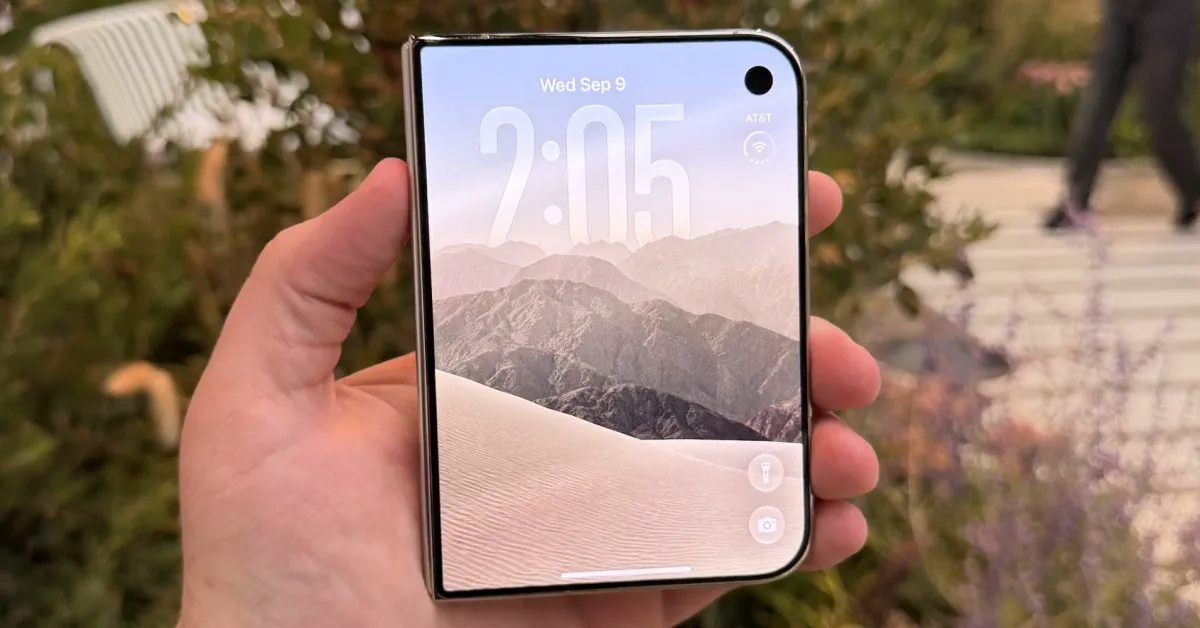
To engineer a foldable that opens like a passport and measures only millimeters thick when unfolded, Apple made distinct structural concessions compared to traditional flagships. The iPhone Duo delivers expansive tablet real estate, but its closed chassis is noticeably thicker and heavier than traditional Pro models.
| Feature | Apple iPhone Duo | Apple iPhone 18 Pro Max | Samsung Galaxy Z Fold 8 |
|---|---|---|---|
| Starting Price | $1,999 | $1,199 | $1,899 |
| Weight | 254 g | 249 g | 239 g |
| Thickness (Folded) | 11.3 mm | 8.25 mm | 12.1 mm |
| Outer Display | 5.4-inch OLED | 6.9-inch Super Retina XDR | 6.3-inch Dynamic AMOLED 2X |
| Inner Display | 7.6-inch Flexible OLED (1.4:1) | N/A | 7.6-inch Dynamic AMOLED 2X |
| Processor | A20 Pro (2nm) | A20 Pro (2nm) | Snapdragon 8 Gen 5 |
| Rear Cameras | Dual-lens (Main + Ultra Wide) | Triple-lens with 5x Telephoto | Triple-lens with 3x Telephoto |
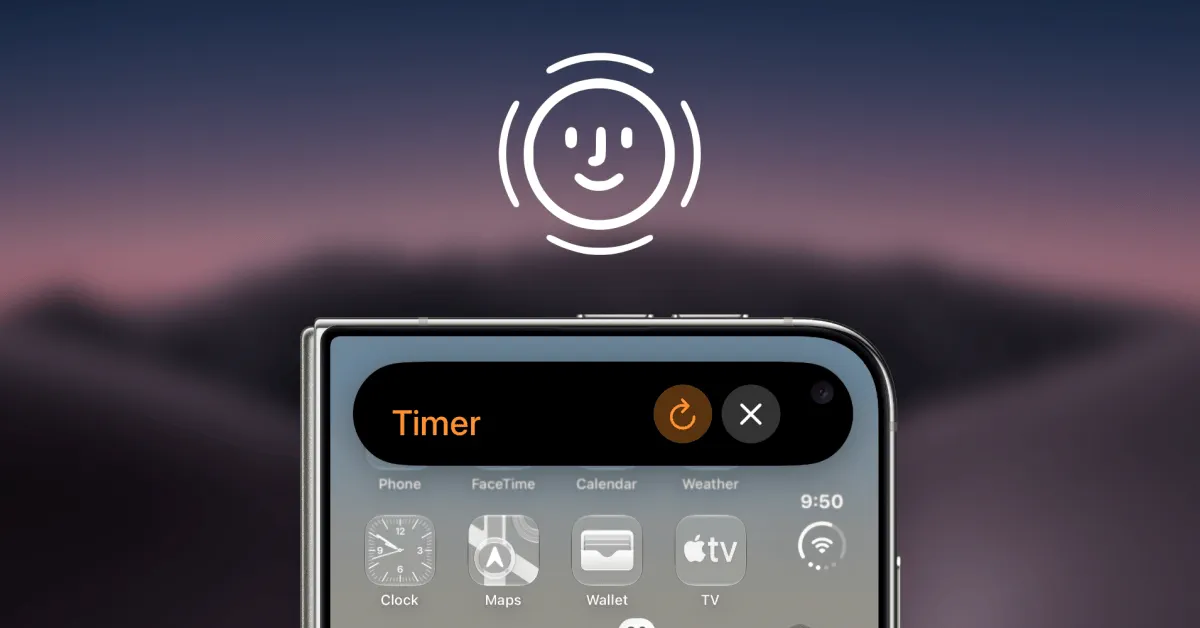
| Biometrics | Side-mounted Touch ID | Face ID | Side-mounted Fingerprint |
Because the device lacks a dedicated periscope telephoto camera and relies on Touch ID rather than TrueDepth Face ID sensors, some owners felt they were paying an $800 premium over the iPhone 18 Pro Max while giving up essential hardware perks.
The “iPad in Your Pocket” Paradox
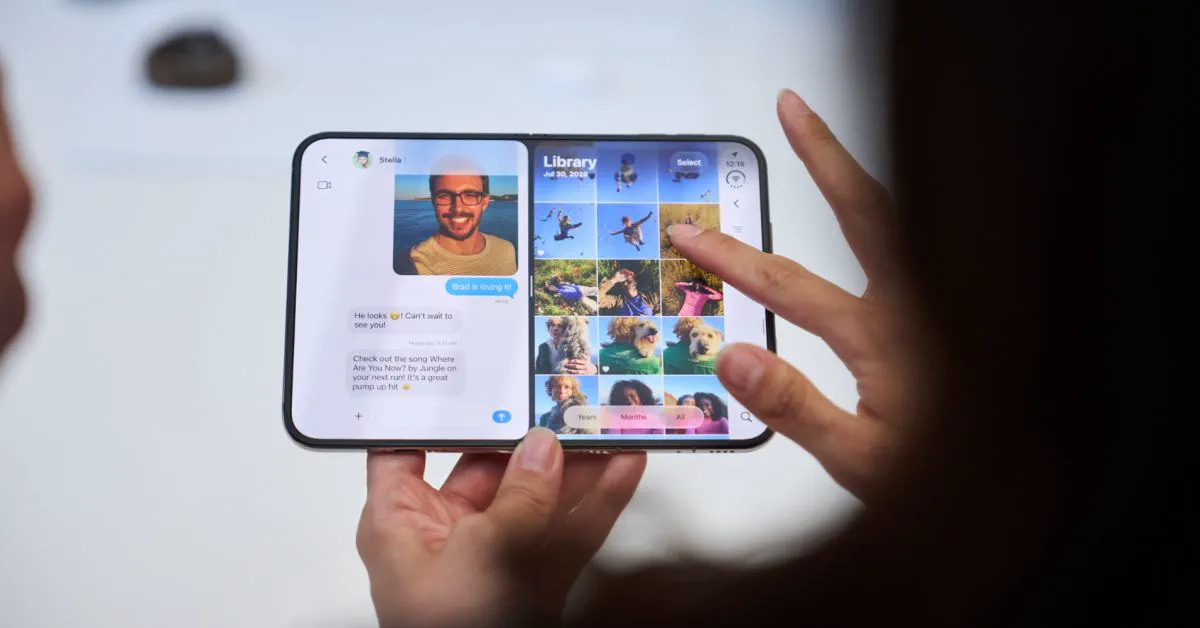
The central selling point of book-style foldables has always been convergence: replacing a separate smartphone and tablet with a single hybrid. However, several users interviewed by The Verge found that collapsing two devices into one created unexpected friction.
Content creator and photographer Ben Seligson noted that while the prospect of an "iPad in my pocket" seemed ideal, real-world multitasking suffered. Under a traditional setup, users often stream a video, recipe, or podcast on an iPad while keeping their iPhone nearby to triage texts, take phone calls, or set timers. When the iPhone Duo serves both roles, opening an incoming message or answering an alert disrupts whatever media or project is running across the primary canvas.
Rather than streamlining tasks, the single-device form factor forced some owners into awkward workarounds, leading them to conclude that a dedicated iPhone paired with a standalone iPad remained the superior workflow.
Ergonomics, Outer Screen, and Durability Scares
Physical comfort emerged as another primary driver for returns. Key usability complaints centered on:
- Weight distribution: At 254 grams, the Duo is heavier than an iPhone 18 Pro Max. While shorter in height, its dense 11.3 mm folded profile caused noticeable hand fatigue during extended one-handed use.
- The outer display: The 5.4-inch external screen features a wider, passport-like aspect ratio. Several owners noted it felt cramped for prolonged typing yet too broad for comfortable single-handed thumb reaches.
- Camera capabilities: Enthusiasts upgrading from Pro-tier iPhones missed dedicated optical telephoto zoom lenses, especially given the Duo's steep cost.
- Display durability: A handful of early buyers reported creaking noises along the central hinge mechanism or micro-cracks forming on the flexible internal panel, prompting concern over long-term durability.
Apple addressed early display incidents by noting that the issue affected only a small number of units and advised affected customers to seek standard warranty swaps via AppleCare.
Apple’s Response: Software Tweaks and Surveys
Apple has moved swiftly to address early friction points through software refinement. In the iOS 27.3 developer beta, the company introduced a reimagined Reachability mode tailored specifically for the Duo. Instead of pulling interface elements downward vertically, the new toggle shifts the screen horizontally left or right to facilitate easier one-handed texting on the cover screen.
Apple also pointed to rapid developer momentum. Susan Prescott, Apple’s vice president of Worldwide Developer Relations, announced that well over 100,000 apps were natively updated for the iPhone Duo form factor within weeks of release, mitigating early concerns about unoptimized software letterboxing.
Behind closed doors, Apple has begun issuing detailed post-purchase surveys to early adopters. According to reports, the survey probes buyer satisfaction regarding the hinge mechanism, screen crease visibility, under-display optics, and whether customers feel the folding screen delivers sufficient day-to-day value.
Advice for Owners: Deadlines and Tests to Run
If you recently purchased an iPhone Duo, the path forward depends largely on when and where you acquired the hardware:
- Check the return policy: Launch-day buyers who purchased directly from Apple faced a 14-day limit. However, devices bought on or after November 6 fall under Apple’s extended holiday return window, granting buyers until January 8, 2027 to return the product for a full refund.
- Carrier terms differ: Major carriers maintain separate rules. Verizon offers a 30-day return window but imposes a $50 restocking fee. AT&T and T-Mobile generally observe 14-day policies with up to $55 restocking fees.
- Perform a panel check: Test for display defects by slowly dragging an app icon across the central crease to verify continuous touch registration. Pull up solid black and solid white wallpapers at full brightness to inspect for stuck sub-pixels, uneven coloration, or micro-fractures along the hinge axis.
- Assess thermal load: Test heavy multitasking or extended camera sessions to determine if device warmth and thermal brightness dimming fit your personal tolerance.
What Happens Next
Despite localized returns, the iPhone Duo remains largely supply-constrained across North America and Europe, with backorders persisting well into early 2027. First-generation Apple devices—from the original iPhone to Apple Watch and Vision Pro—frequently experience an early winnowing phase where curious early adopters trade back down while dedicated users stay aboard.
As iOS 27.3 heads toward a public rollout in December, Apple's ability to polish one-handed usability and multitasking will play a decisive role in retaining borderline buyers. For the broader industry, the iPhone Duo return debate signals that hardware innovation alone cannot carry a luxury foldable; software balance and everyday ergonomics remain paramount.
FAQ
What is the return window for the iPhone Duo? Apple provides a standard 14-day return window from the date of receipt, though units purchased on or after November 6 qualify for Apple's extended holiday return policy, which allows full refunds through January 8, 2027. Carrier return windows vary between 14 and 30 days and often include a restocking fee of $50 to $55.
Why are some customers returning the iPhone Duo? Buyers cite the device's heavy 254g weight, thick 11.3mm folded body, lack of a dedicated telephoto camera, and the friction of using one device for both phone and tablet tasks simultaneously.
Does Apple charge a restocking fee on returned devices? No, Apple does not charge restocking fees on hardware returned directly to Apple retail stores or via Apple.com within the designated return period.
How is Apple fixing one-handed usability issues on the Duo? In the iOS 27.3 beta, Apple introduced a horizontal Reachability feature that slides screen elements left or right on the cover display to make one-handed navigation more manageable.
Has Apple addressed reports of display cracking along the hinge? Apple confirmed it is aware of an issue affecting a small number of units and directs impacted users to contact AppleCare for replacement hardware under warranty.