Google's Pixel 11 is now on retail shelves, but economic pressures and slowing annual smartphone leaps mean buyers are questioning whether upgrading is truly necessary. If you are currently carrying a Pixel 9 or a Pixel 10, the answer depends entirely on which generation you hold in your hand. While tech analysts and hands-on reviews praise the Pixel 11's refined design and dual-day battery stamina, they also widely agree that annual flagship upgrades have reached a point of diminishing returns.
To help you decide whether to spend your hard-earned cash or stick with the device in your pocket, here is an exhaustive breakdown of how the Pixel 11 compares to its direct predecessors across specs, cameras, everyday performance, and real-world value.
The Pixel 11 Lineup: Specs, Pricing, and Changes
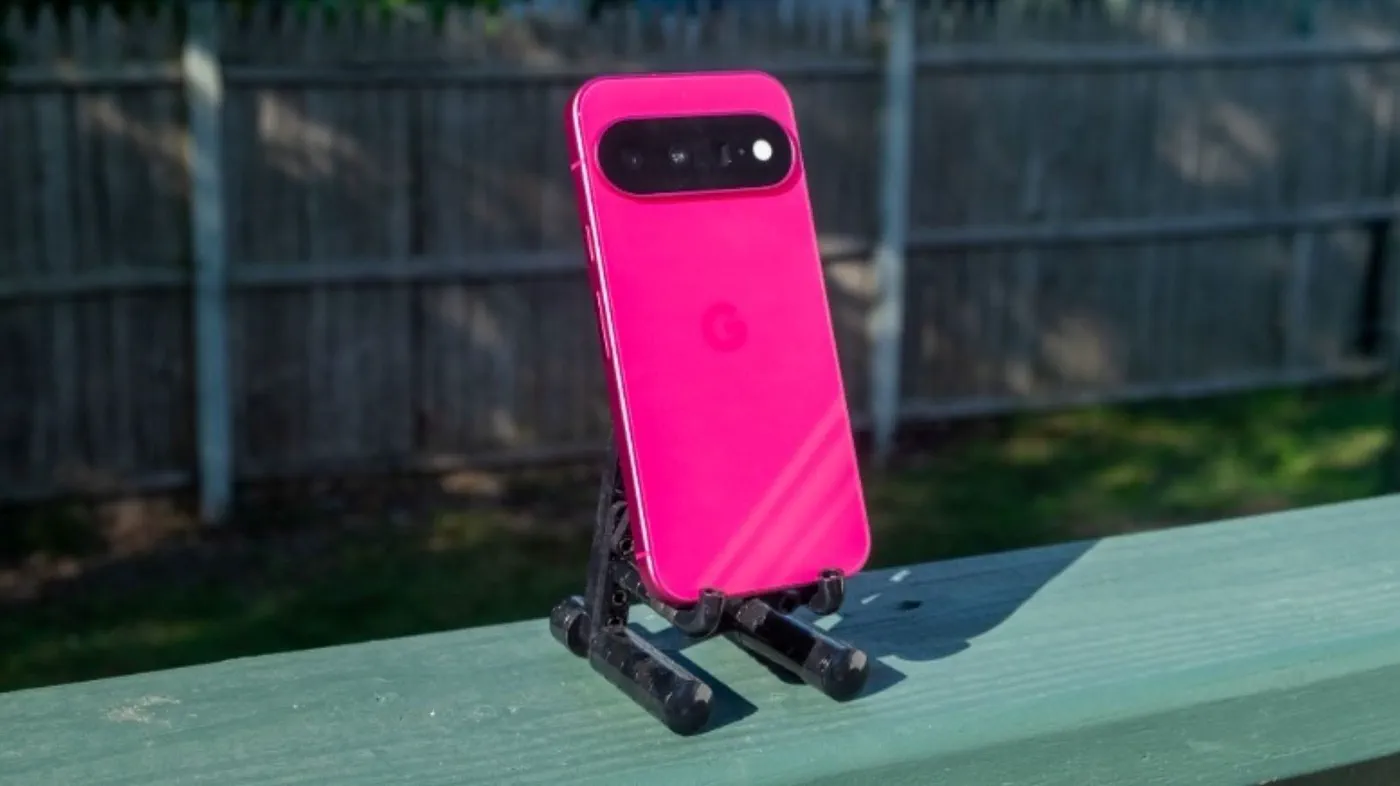
Google launched the Pixel 11 series alongside the Pixel 11 Pro and Pro XL, pitching it as an AI-first flagship built around the custom Tensor G6 processor and Android 17. The phone features a redesigned, slimmer camera bar that sits almost flush when placed inside an official case, addressing long-standing complaints about rear camera wobble. It is wrapped in a satin-finish aerospace-grade aluminum frame and offered in four distinct finishes: Frost, Pistachio, Hibiscus, and Obsidian.
However, the baseline entry price has shifted. The Pixel 11 starts at $899, a $100 price increase over the launch pricing of the Pixel 10 and Pixel 9. To soften the blow, Google doubled the entry-level capacity, making 256GB the new standard, with an optional 512GB configuration. RAM remains static across the base model at 12GB of LPDDR5X.
| Feature | Google Pixel 9 | Google Pixel 10 | Google Pixel 11 |
|---|---|---|---|
| Launch Price | $799 (128GB) | $799 (128GB) | $899 (256GB) |
| Display | 6.3-inch OLED (60–120Hz, 2,700 nits) | 6.3-inch OLED (60–120Hz, 3,000 nits) | 6.3-inch OLED (60–120Hz, 3,000 nits) |
| Processor | Tensor G4 | Tensor G5 | Tensor G6 (TSMC 3nm) |
| Security Chip | Titan M2 | Titan M2 | Titan M3 (Post-Quantum) |
| RAM | 12GB | 12GB | 12GB |
| Base Storage | 128GB | 128GB | 256GB |
| Rear Cameras | 50MP Wide + 48MP Ultrawide | 48MP Wide + 13MP Ultrawide + 10.8MP 5x Telephoto | 48MP Wide (Larger Sensor) + 13MP Ultrawide + 10.8MP 5x Telephoto |
| Max Super Zoom | 8x | 20x | 30x |
| Battery | 4,700 mAh | 4,970 mAh | 4,985 mAh |
| Wireless Charging | 15W Qi | 15W Qi2 | 25W Qi2.2 (Pixelsnap) |
| Weight | 198g | 204g | 197g |
| Software Support | Through August 2031 | Through August 2032 | Through August 2033 |
Watch: Google Pixel 11/Pro Review: Poker Face

Video: Marques Brownlee on YouTube
Upgrading From the Pixel 10: Why You Should Skip
 Photo: refurbed.co.uk (source)
If you bought a Pixel 10, the consensus among tech reviewers is near-unanimous: keep your current device. The Pixel 11 is the textbook definition of an iterative refresh. Both handsets share the exact same 6.3-inch Actua display panel running at 1080 x 2424 resolution with a 60–120Hz refresh rate and an identical 3,000-nit peak outdoor brightness.
Internally, the jump from the Tensor G5 to the Tensor G6 brings modest quality-of-life snappiness—Google cites up to 25% faster web rendering and 15% quicker app launches—but day-to-day multitasking feels virtually indistinguishable. The battery capacity increased by a negligible 15 mAh (from 4,970 mAh to 4,985 mAh). In testing, runtimes between the Pixel 10 and Pixel 11 track in near-total lockstep.
From an imaging perspective, the primary change is a physically larger 48MP main sensor, which Google claims improves low-light sensitivity by 56%. The secondary hardware, however, is unchanged: you get the same 13MP ultrawide and 10.8MP 5x optical telephoto lens. Super Res Zoom expands from 20x to 30x, but tests indicate that photos shot at 30x reveal heavy algorithmic softening once viewed off the phone screen. New software additions like Magic Capture and Camera Looks are widely expected to roll out to the Pixel 10 via future Pixel Feature Drops. Spending $899 to replace a one-year-old phone with almost identical capabilities simply does not make financial sense.
Upgrading From the Pixel 9: The Two-Generation Leap
For Pixel 9 owners, the calculus looks dramatically different. Skipping a cycle means two full generations of hardware and design refinements stack together, making the Pixel 11 feel like a substantial transformation.
The most noticeable physical upgrade is in the camera array. The base Pixel 9 lacked a telephoto camera altogether, relying on digital cropping up to 8x. The Pixel 11 packs a dedicated 10.8MP 5x optical telephoto lens with optical image stabilization. That optical reach beats out direct competitors in this price category, such as the standard iPhone 17 (which lacks a telephoto lens) and Samsung’s Galaxy S26 (limited to 3x).
Other compounding upgrades for Pixel 9 users include:
- Superior Battery Endurance: Moving from a 4,700 mAh cell rated for 24 hours to a 4,985 mAh battery rated for over 30 hours. In real-world battery drain tests, the Pixel 11 comfortably lasted from 8:00 AM on a Saturday morning until 7:00 PM on Sunday night on a single charge.
- Built-in Pixelsnap Magnets: Unlike the Pixel 9, the Pixel 11 integrates internal Qi2.2 magnetic rings, enabling secure attachment to magnetic chargers, car mounts, and wallets without requiring a specialized third-party case.
- Faster Wireless Charging: Wireless power input jumps from 15W up to 25W.
- Outdoor Screen Visibility: Peak panel brightness climbs from 2,700 nits to 3,000 nits, making reading under direct summer sunlight noticeably easier.
- Baseline Storage: Double the built-in room (256GB vs 128GB) out of the box.
The Silicon and AI Factor: Tensor G6 and Android 17
 Photo: refurbed.co.uk (source)
Under the hood, the Pixel 11 runs on Google's sixth-generation Tensor G6 silicon, manufactured on a cutting-edge 3nm TSMC process. Paired with it is the new Titan M3 security chip, which introduces post-quantum cryptographic protection at the hardware level to safeguard secure-boot states against emerging quantum decryption threats.
Google continues to avoid chasing raw benchmark trophies. Synthetic Geekbench 6 scores for the Tensor G6 trail behind Qualcomm's Snapdragon 8 Elite platforms and Apple's A-series silicon, particularly in multi-core throughput and prolonged graphic-heavy gaming. Instead, the Tensor G6 focuses on on-device neural execution. Its upgraded Tensor Processing Unit (TPU) runs 50% faster, powering Android 17's Gemini Intelligence framework. This architecture enables proactive assistance, seamless real-time translation during media playback, and faster local photo processing without server latency.
Battery, Charging, and Hardware Longevity
In hands-on evaluations, endurance is one of the Pixel 11's strongest attributes. Backed by an intelligent Adaptive Battery profile that aggressively restricts power to unused background services, it consistently delivers dual-day reliability for moderate users.
When you do need to plug in, Google's Extreme Charging Mode temporarily suspends secondary background sync tasks to shorten top-off times. The transition to Qi2.2 at 25W also addresses one of the Pixel family's historic weak points: slow, hot wireless charging.
However, longevity cuts both ways. Google famously guarantees seven full years of OS, security, and Pixel Feature Drop updates. This support schedule guarantees:
- Pixel 9: Supported through August 2031
- Pixel 10: Supported through August 2032
- Pixel 11: Supported through August 2033
Because the Pixel 9 will continue receiving first-party software patches and Gemini feature ports for another five years, you are under zero pressure to upgrade purely for software security.
Practical Buying Advice: Trade-Ins and Alternatives
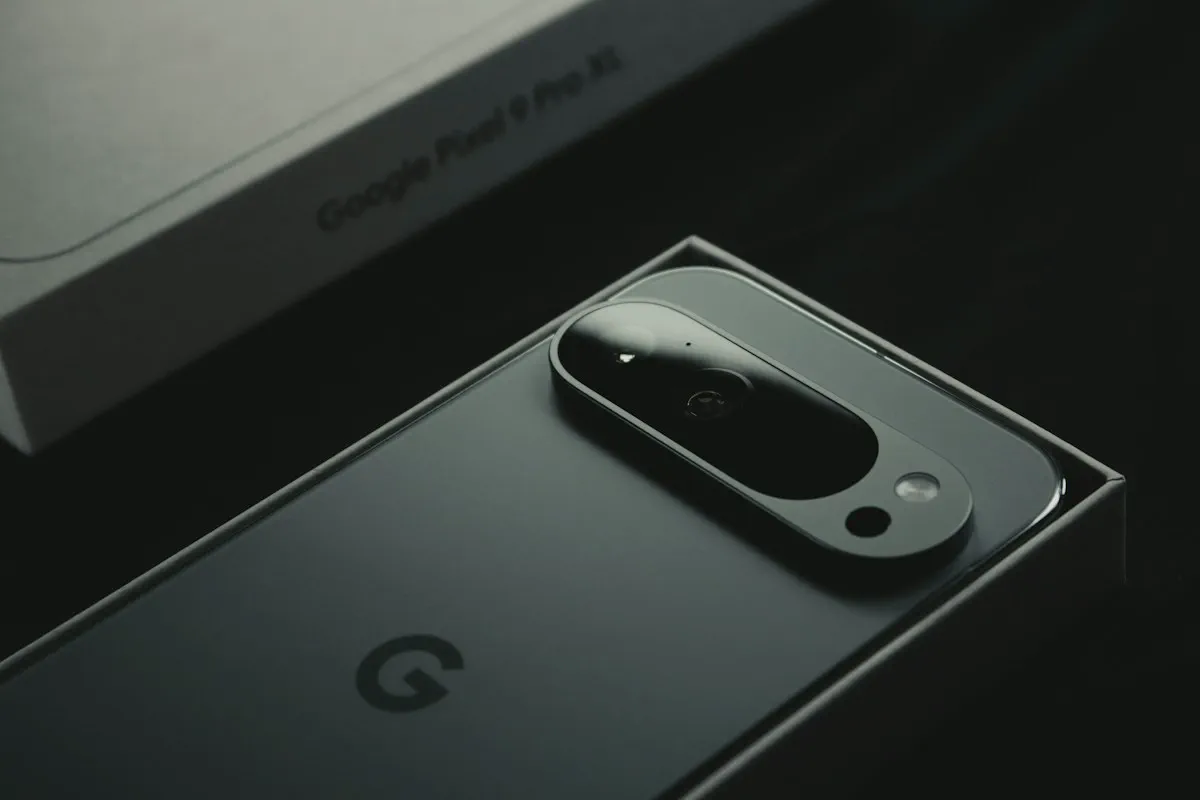 Photo: shmor.ai (source)
Before spending $899, step back and evaluate your personal pain points with your current phone:
- If you own a Pixel 10: Hold onto it. Your screen, battery life, memory, and everyday camera output are nearly identical. Waiting for the Pixel 12 is the smartest move.
- If you own a Pixel 9 and want better zoom: The Pixel 11 is an excellent buy. The 5x optical telephoto hardware cannot be replicated via software, and the combination of 30+ hour battery life and magnetic wireless charging makes it feel like a true upgrade.
- If your Pixel 9 is merely suffering from degraded battery life: Do not spend $899 to solve a tired battery. A genuine replacement battery kit from official repair partners like iFixit costs approximately $50, or you can utilize Google's official mail-in repair service. If your device is otherwise fast and you rarely zoom past 2x, a quick battery swap will easily carry you through another year or two.
FAQ
Is the Pixel 11's camera noticeably better than the Pixel 10? In most daylight situations, photos look virtually identical because both phones share the same 13MP ultrawide and 10.8MP 5x optical telephoto lenses. The Pixel 11's larger main sensor does provide noticeably cleaner, sharper results in extreme low-light environments, and it pushes digital Super Res Zoom from 20x to 30x.
Why did Google raise the Pixel 11 base price to $899? The $100 price increase reflects sharp industry-wide memory component shortages and higher bills of materials. However, Google offset the hike by doubling the base internal storage tier from 128GB to 256GB.
Does the base Pixel 11 come with magnetic wireless charging? Yes, the Pixel 11 features built-in Pixelsnap magnetic hardware compatible with Qi2.2 accessories. This allows magnetic chargers, stands, and mounts to snap directly to the phone without needing a specialized case.
Will the Pixel 9 and Pixel 10 get the Pixel 11's new AI features? Many of them, yes. While hardware-dependent capabilities like 30x zoom and post-quantum encryption remain exclusive to the Pixel 11, history shows that Google regularly ports its core Gemini Intelligence and camera editing tools to older models via quarterly Pixel Feature Drops.
How much longer will my Pixel 9 receive updates? Google's seven-year commitment guarantees that the Pixel 9 will receive full Android OS upgrades and monthly security patches until August 2031.