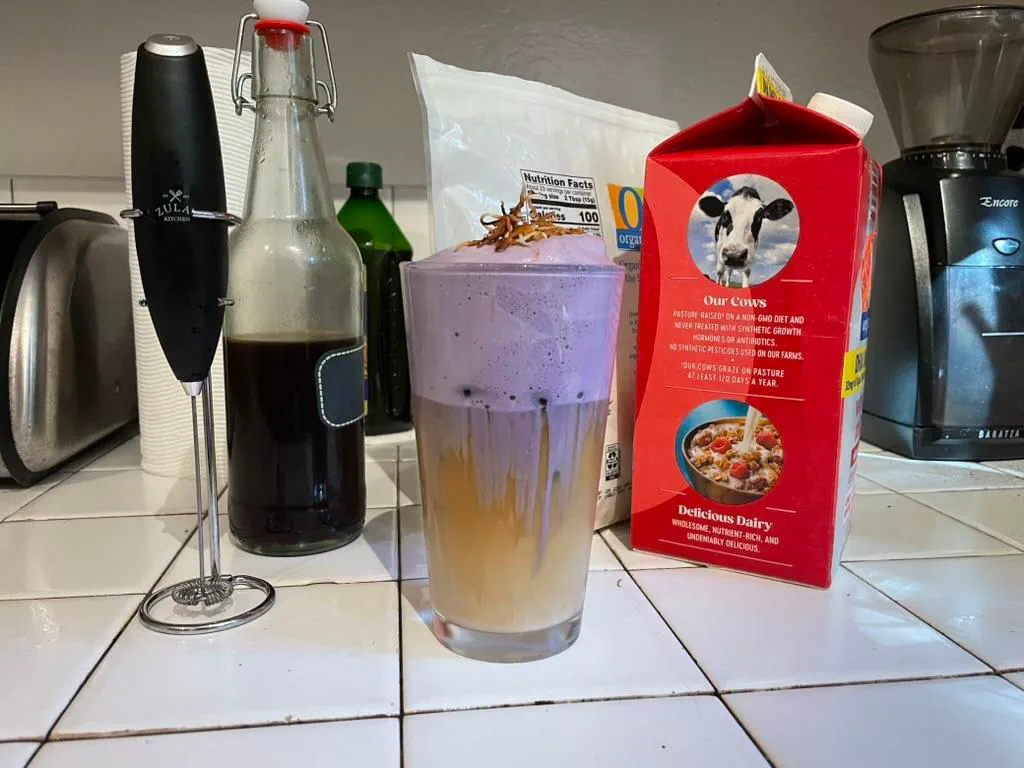
In a personal tech reflection published by The Verge, the standout consumer gadget of the year isn't an ultra-thin foldable smartphone or a spatial computing headset, but an unassuming countertop tool: the dedicated milk frother. Inspired by a trip to Los Angeles' Koreatown—where the author became hooked on decadent, velvety cream-topped iced beverages at local haunt Stagger Coffee—the quest to reproduce specialty coffeehouse textures at home elevated a simple mechanical kitchen device into an indispensable daily staple.
While consumer electronics companies pour billions into ambient intelligence, algorithmic feeds, and wearable processors, the modern milk frother exemplifies what personal technology does best at its core: eliminating everyday friction, replacing expensive recurring habits, and delivering consistent physical results with zero boot-up latency. As cold foam, Vienna-style Einspänners, and ceremonial matcha drinks dominate modern café menus, the tech inside both handheld wands and automated induction pitchers has evolved to turn any home kitchen into a microfoam lab.
From Koreatown Coffee Runs to Countertop Tech
Specialty drink menus have undergone a massive shift over the past several years, migrating away from scorching, over-steamed milk towards delicate, layered cold foam concoctions. In neighborhood hubs like Koreatown in Los Angeles, spots like Stagger Coffee have cultivated lines out the door for drinks like the "Double Matcha"—a vibrant ceremonial matcha base crowned with an airy, house-made matcha cream—and the cocoa-dusted "Donut Latte," which relies on a silky "cream top" cold foam instead of blended dairy.
Replicating that contrast between rich, velvety foam and iced coffee or tea at home is nearly impossible with a basic spoon, a standard blender, or a mason-jar shake method. Standard home blenders lack the specific shear rate required to generate microbubbles without heating or over-whipping the liquid into butter, while traditional espresso machine steam wands inherently heat milk past 140°F, destroying the structural integrity of cold foam. Enter the standalone milk frother: an affordable, purpose-built gadget engineered specifically to suspend air cells into chilled liquids.
Watch: Five Handheld Milk Frothers At Five Different Price Points

Video: Morgan Eckroth on YouTube
Handheld Wands vs. Electric Jugs: Features and Mechanics
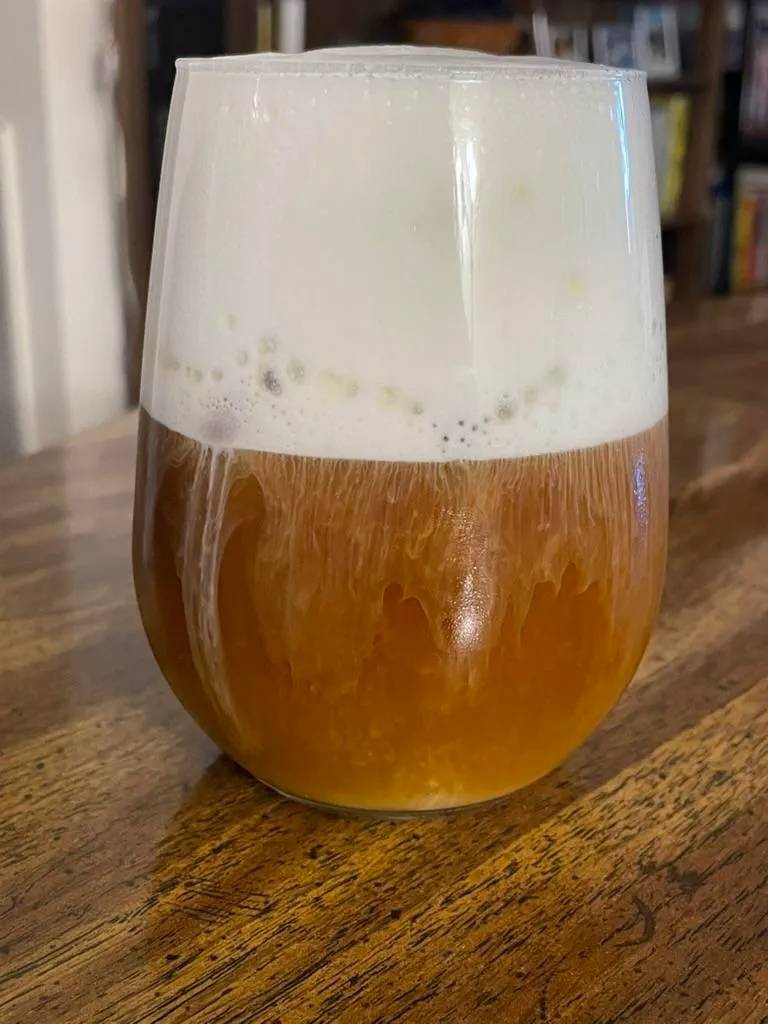 Photo: The Verge (source)
The domestic frothing market has bifurcated into two primary hardware architectures: handheld motorized wands and countertop electric induction jugs. Both designs rely on rapid fluid displacement to fold atmospheric air into milk protein networks, but their form factors cater to distinct use cases.
- Handheld Wands: Powered by compact DC motors spinning between 1,600 RPM and 15,000 RPM, these devices feature coiled stainless steel spring discs or micro-screens. Operators submerge the wand into a mug or pitcher, manually regulating depth to draw air into the liquid before plunging deeper to polish large bubbles into microfoam. While older models relied on disposable AA batteries, current iterations frequently incorporate rechargeable lithium-ion cells charged via USB-C.
- Electric Jug Frothers: These autonomous countertop appliances feature non-stick stainless steel carafes and magnetically coupled agitator discs driven from a powered base. With preset buttons for hot dense foam, hot light foam, warm milk heating, and unheated cold froth, they automate both speed and thermal curves with integrated thermistors, shutting off automatically when the cycle finishes.
| Device Model / Category | Architecture | Power Source / Speed | Heating Element | Primary Best Use | Typical Price Range |
|---|---|---|---|---|---|
| Zulay Kitchen Milk Boss | Handheld Wand | 2x AA Batteries (~13,000 RPM) | None | Budget cold foam, quick matcha mixing | $10 – $15 |
| Subminimal NanoFoamer V2 | Handheld Impeller | USB-C or AA (Dual-speed) | None | Latte-art microfoam, cold & hot milk | $40 – $50 |
| Instant Milk Frother | Countertop Pitcher | AC Cord (4-in-1 presets) | Internal Resistive | Automatic hot/cold foam on a budget | $35 – $45 |
| Nespresso Aeroccino 4 | Countertop Pitcher | AC Cord (Dedicated buttons) | Internal Heating | Dishwasher-safe hot & cold foam | $119 – $130 |
| Breville Milk Café | Induction Carafe | AC Cord (Variable temp dial) | Induction Base | High-capacity specialty drinks, hot cocoa | $180 – $200 |
| Terra Kaffe Aero | Countertop Pitcher | AC Cord (Magnetic whisk) | Internal Heating | Cold foam, dedicated matcha whisking | $140 – $150 |
The Science and Culture of Cold Foam
To appreciate why dedicated frothers succeed where other tools fail, one must examine milk protein chemistry. Milk foam is an emulsion consisting of air bubbles suspended in liquid, stabilized by surface-active milk proteins—predominantly caseins and whey (beta-lactoglobulin). In traditional hot steaming, thermal energy unfolds these proteins, allowing hydrophobic regions to bond to air pockets while hydrophilic ends adhere to water molecules.
In cold foam, however, no thermal denaturation occurs. Instead, the stability of cold foam relies almost entirely on the rapid mechanical shear of the frother's whisk to entrain air while the liquid's fat globules remain solid and crystallized. If milk warms during the process, melting fats can destabilize the bubble walls, collapsing the structure. High-speed frother discs whip cold liquid in under 30 seconds, producing a tight suspension of microbubbles that floats buoyantly on top of iced espresso or cold brew rather than dissolving into the drink.
This physical behavior matches the cultural rise of the Viennese Einspänner—black coffee topped with thick whipped cream—which was modernized across boutique cafés throughout Seoul and urban US coffee centers. Major chains like Starbucks popularized the texture via Vanilla Sweet Cream Cold Foam, driving consumer demand for home equipment capable of producing that same dessert-like cloud.
Market Comparison: How the Top Models Stack Up
 Photo: lumafield.com (source)
At the entry level, generic handheld frothers like the Zulay Milk Boss or Ikea Produkt cost less than $15 and take up virtually no kitchen drawer space. They are exceptionally fast and versatile—able to blend protein shakes, whisk matcha, or emulsify dressings—but their reliance on manual angle control means foam consistency can vary based on user technique.
For users focused on coffee perfection, the Subminimal NanoFoamer replaces the standard loose-wire spring with interchangeable nano-mesh screens. Instead of producing large, soapy bubbles, it forces milk through microscopic apertures to yield silky microfoam capable of pouring latte art, bridging the gap between professional steam wands and handheld tools.
Countertop models like the Nespresso Aeroccino 3 and 4 offer effortless push-button operation. Holding the button down for two seconds engages cold froth mode, spinning the magnetic whisk without activating the heating plate. Meanwhile, high-capacity appliances like the Breville Milk Café use induction plates to heat a dishwasher-safe stainless steel jug, allowing home baristas to swap between a cappuccino whisk and a latte disc while dialing in exact temperatures up to 160°F.
Community and Barista Reception
Across home barista communities on Reddit, YouTube, and specialty food blogs, consumer sentiment around standalone frothers is overwhelmingly pragmatic. Reviewers consistently note that while high-end espresso machines cost thousands of dollars and demand steep learning curves, an electric frother delivers immediate gratification.
In online forums, users routinely celebrate the "two-week break-even": with specialty iced cream-top lattes routinely commanding $6 to $8 at artisanal shops, an entry-level frother pays for itself after just a handful of homemade drinks. Enthusiasts also praise modern frothers for their compatibility with plant-based alternatives. While standard almond milk can struggle to hold foam due to low protein content, oat milk formulated as "Barista Edition"—which contains added dipotassium phosphate and balanced fats—froths into thick, glossy cold foam that rivals whole dairy.
Practical Advice for Home Buyers
 Photo: lumafield.com (source)
- Match Form to Space: If counter space is at a premium or you travel often, opt for a USB-C rechargeable wand. If you want hands-free morning automation where you press a button and walk away while brushing your teeth, invest in an electric jug frother.
- Keep It Ice-Cold: Always froth milk straight from the refrigerator. Chilled dairy preserves the crystalline structure of milk fats, ensuring microfoam holds its volume for several minutes without deflating.
- Master the Sweet Cream Formula: To replicate café-style cold foam, use the widely tested 3:2:1 ratio: three parts heavy whipping cream, two parts 2% or whole milk, and one part flavored syrup (such as vanilla, brown sugar, or maple). Froth for 15 to 25 seconds until thick yet pourable.
- Clean Immediately: Milk sugars and proteins scorch or congeal rapidly. Run wand tips under hot tap water for 5 seconds immediately after use, or rinse pitcher carafes before residue hardens.
What Comes Next for Countertop Frothers
The humble frother is experiencing steady engineering refinements. Disposable AA batteries are rapidly disappearing across product lines in favor of integrated lithium-ion cells with sealed USB-C ports to resist water damage. Brushless DC motors are entering mid-tier models, delivering quieter operation and variable-speed dialing to prevent messy splashing when frothing shallow vessels.
Furthermore, dedicated culinary modes are expanding. Appliance makers are increasingly shipping specialized matcha whisks alongside standard milk discs, ensuring green tea powder fully suspends in water without leaving gritty clumps at the bottom of the cup. For millions of consumers navigating inflation and rising café prices, these tiny electric gadgets prove that the most satisfying tech purchases aren't always complex computers—they are the focused tools that make daily life taste noticeably better.
FAQ
What is the difference between cold foam and traditional frothed milk?
Traditional frothed milk uses hot steam to simultaneously heat and aerate milk for warm drinks like cappuccinos and lattes. Cold foam is whipped using high-speed mechanical agitation without any heat, creating an airy, buoyant topping specifically designed to float over iced beverages.
Can you make cold foam with plant-based milks?
Yes, but results depend heavily on protein and fat content. Barista-blend oat milks and soy milks froth remarkably well due to added stabilizers and higher protein levels, whereas watery almond or rice milks produce looser, rapidly dissipating bubbles.
Which is better: a handheld wand frother or an automatic jug frother?
Handheld wands are cheaper ($10–$50), ultra-compact, and easy to clean, making them ideal for single cups and versatile mixing. Automatic jug frothers ($40–$200) offer hands-free push-button convenience, built-in heating cycles, and consistent automated results, but take up counter space and require more thorough washing.
How long does homemade cold foam stay stable on a drink?
When prepared with ice-cold heavy cream and milk, cold foam typically holds its shape atop an iced beverage for 10 to 15 minutes before gradually integrating into the drink. Foam made with nonfat milk produces stiff initial volume but may collapse faster if not consumed promptly.